


Russia Launches First Rocket From Repaired Baikonur Launch Pad
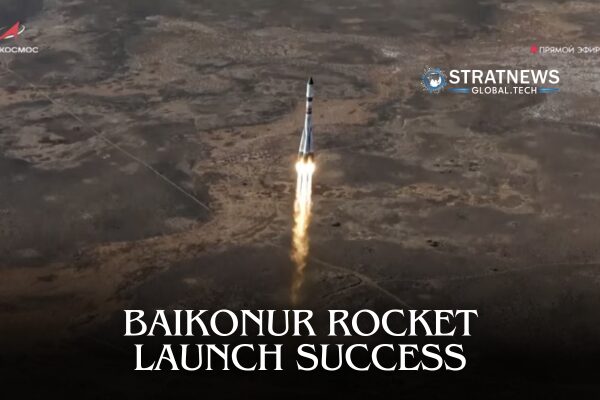
Russia has successfully launched a Soyuz rocket from a restored launch pad at the Baikonur Cosmodrome in Kazakhstan. The mission marks the first use of the facility since it sustained significant damage last year. As a result, the launch restores Russia’s ability to send missions to the International Space Station.
A Soyuz 2.1a rocket carrying the Progress MS 33 cargo spacecraft lifted off at 1200 GMT. Shortly after, the spacecraft entered orbit as planned. Officials confirmed that it will dock with the International Space Station on March 24.
Launch Pad Returns To Operation After Damage
The launch pad had remained out of service since November, when it suffered heavy damage during a previous mission. At that time, a Soyuz MS 28 spacecraft carrying two Russian cosmonauts and one NASA astronaut launched from the same site.
Although the crew reached the space station safely, the incident left the launch pad unusable. Consequently, Russia temporarily lost its only operational site capable of supporting these specific missions. This limitation affected both crewed flights and cargo deliveries to the station.
Strategic Importance Of Baikonur Facility
Baikonur remains a critical hub for Russia’s space operations. While the country operates other cosmodromes within its territory, not all facilities support the same launch systems. In particular, the damaged pad served as the only one equipped to handle Soyuz rockets used for transporting crew capsules and Progress cargo spacecraft.
Therefore, the repair and reopening of this launch pad carry significant operational importance. The restored capability ensures that Russia can resume regular missions to the International Space Station without relying on alternative arrangements.
Cargo Mission Supports Space Station Operations
The Progress MS 33 spacecraft will deliver essential supplies to the International Space Station. These missions play a vital role in maintaining daily operations aboard the station. Supplies typically include equipment, fuel, and other necessary materials for ongoing scientific work.
With this successful launch, Russia has re established a key logistical link to the orbiting laboratory. Moreover, the mission demonstrates the reliability of the repaired infrastructure and its readiness for future launches.
With inputs from Reuters