


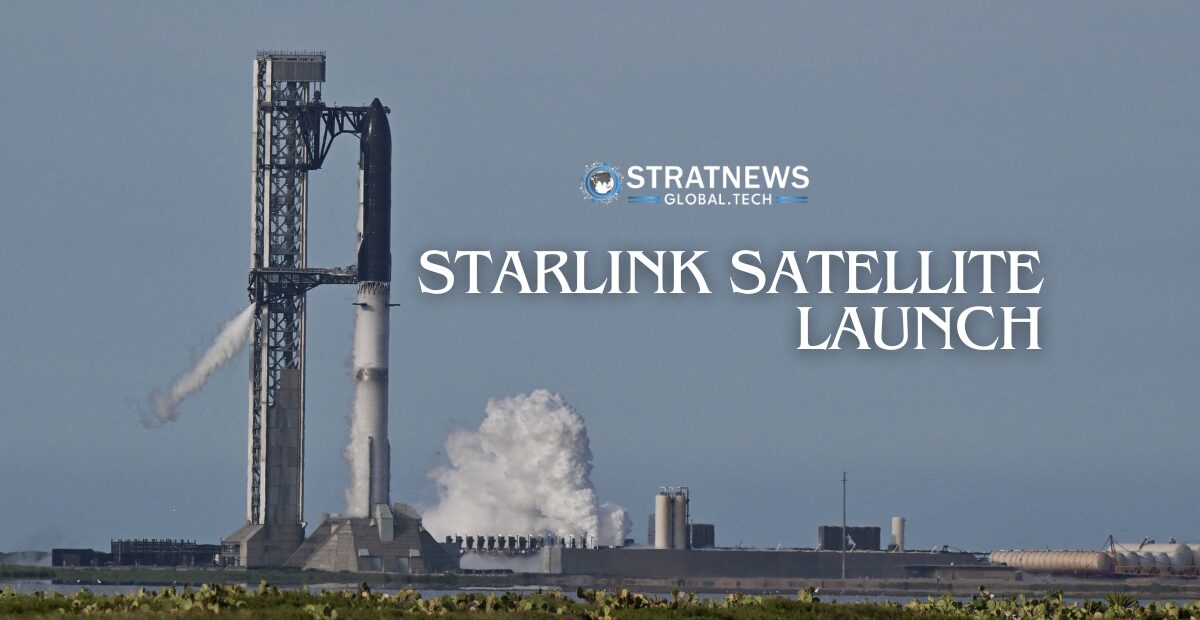
SpaceX Launches 29 Starlink Satellites In Sunrise Falcon 9 Mission
SpaceX successfully launched 29 Starlink V2 Mini Optimized satellites into low Earth orbit during an early morning Falcon 9 mission from Cape Canaveral Space Force Station in Florida.
The launch took place shortly before sunrise on May 21, creating a dramatic “jellyfish effect” across the eastern United States as sunlight illuminated the rocket plume following stage separation.
Falcon 9 Carries Starlink 10-31 Mission
The Starlink 10-31 mission lifted off from Space Launch Complex 40 at 6:04 a.m. EDT. The Falcon 9 rocket travelled along a north-easterly trajectory as it carried the latest batch of broadband internet satellites into orbit.
The mission added 29 more spacecraft to SpaceX’s growing Starlink megaconstellation, which now consists of more than 10,000 satellites operating in low Earth orbit.
SpaceX later confirmed successful deployment of all 29 satellites approximately one hour after launch.
In addition, the mission marked the company’s 46th dedicated Starlink launch of 2026 as SpaceX continues expanding its global satellite internet network.
Sunrise Conditions Create ‘Jellyfish Effect’
The timing of the launch produced striking visual conditions visible across large parts of the East Coast.
Shortly after stage separation, the payload fairing halves detached from the rocket, while sunlight illuminated the expanding exhaust plume high in the atmosphere. As a result, observers witnessed the glowing cloud formation commonly referred to as the “jellyfish effect.”
The phenomenon occurs when launches take place during twilight conditions, allowing sunlight to reflect off rocket exhaust at high altitude while the ground below remains relatively dark.
Booster Completes 28th Flight
SpaceX used Falcon 9 booster B1077 to support the mission. The reusable first-stage rocket completed its 28th flight, further extending the company’s record for booster reusability.
The booster previously supported several major missions, including NASA’s Crew-5, CRS-28, and NG-20 flights.
Nearly eight-and-a-half minutes after liftoff, the first stage successfully landed on the drone ship A Shortfall of Gravitas stationed in the Atlantic Ocean.
The landing marked the 150th successful recovery aboard the vessel and SpaceX’s 613th booster landing overall.
Weather Conditions Remained Favourable
Launch weather conditions remained highly favourable despite minor concerns surrounding cloud formation.
The 45th Weather Squadron predicted a 90 percent chance of acceptable launch weather conditions. Meteorologists monitored a slow-moving disturbance near the Bahamas, which introduced additional moisture into the region.
Weather officials noted that possible cumulus cloud violations represented the primary concern for both the main launch opportunity and backup windows. However, conditions ultimately remained within acceptable launch parameters.
The successful mission further demonstrated SpaceX’s rapid launch cadence and continued focus on expanding the Starlink broadband network through frequent Falcon 9 operations.
With inputs from Reuters

