


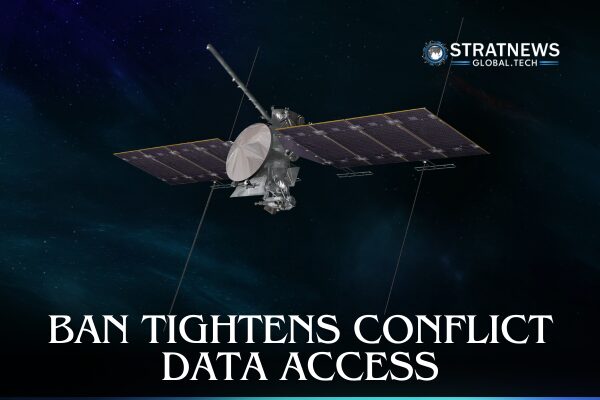
Planet Labs Halts Satellite Images Of Middle East Conflict
Satellite imaging firm Planet Labs announced it will indefinitely withhold visuals of Iran and the wider Middle East conflict region. The decision follows a request from the United States government and marks a significant shift in access to commercial satellite imagery.
The California based company informed customers via email that authorities had asked all satellite providers to restrict imagery from the affected region. As a result, Planet Labs expanded an earlier 14 day delay it introduced last month.
Expanded Restrictions On Conflict Imagery
Previously, the company delayed releasing images to prevent adversaries from using them against the United States and its allies. Now, however, Planet Labs will withhold all imagery dating back to March 9.
The firm also stated that the restriction will remain in place until the conflict ends. This policy reflects growing concerns about how sensitive visual data could be used during active military operations.
The conflict began on February 28 when the United States and Israel launched attacks on Iran. In response, Tehran carried out strikes on Israel and United States bases across Gulf nations, including Saudi Arabia, Kuwait and Bahrain.
Role Of Satellite Technology In Warfare
Satellite imagery plays a critical role in modern warfare. For example, it supports target identification, missile tracking and weapons guidance. It also enables communication and strategic planning during operations.
Some experts believe Iran may access commercial satellite images through third parties, including adversarial networks. Therefore, limiting access reduces the risk of such data being used against military forces.
At the same time, satellite imagery serves non military purposes. Journalists and researchers rely on it to study remote or restricted areas. Consequently, the restrictions may affect reporting and academic analysis of the conflict.
Controlled Access And Industry Response
Planet Labs said it will adopt a managed distribution system for imagery that does not pose safety risks. Under this approach, the company will release images selectively for urgent or mission critical needs, as well as cases that serve the public interest.
The firm described the situation as extraordinary and emphasised its effort to balance competing stakeholder needs.
Meanwhile, another provider, Vantor, stated it had not received a similar request from the United States government. However, it has independently applied enhanced access controls in conflict zones. These measures can limit who may request or purchase images of sensitive regions.
Another company, BlackSky Technology, did not respond to requests for comment.
With inputs from Reuters

