


Ethanol Plant Protests Rise Over Expansion in India
Ethanol plant protests are spreading across rural India as communities push back against proposed production plants. These projects aim to reduce the country’s dependence on oil and gas imports. However, many villagers fear the developments will strain water supplies, damage land, and harm public health.
India imports a large share of its energy, which has led policymakers to prioritise ethanol as part of clean energy goals. Additionally, global instability affecting oil supply has increased the urgency of strengthening domestic energy security. As a result, the government has significantly increased ethanol blending in petrol over the past decade.
Concerns Over Water and Land Use
Despite these efforts, resistance has grown in several regions. Ethanol production relies heavily on crops such as maize and sugarcane, both of which require extensive water and land resources. Consequently, rural communities worry about the long-term impact on agriculture and livelihoods.
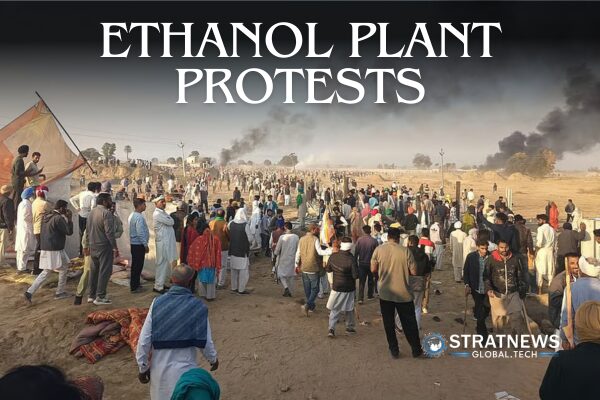
In the town of Tibbi in Rajasthan, hundreds of farmers protested against a proposed ethanol plant. Many residents stated they were not consulted before construction began. Furthermore, they expressed concern about falling groundwater levels and the potential for pollution.
Tensions escalated as authorities attempted to manage demonstrations. Reports of arrests and police action drew more villagers into the protests. Meanwhile, residents claimed they only became aware of the project after construction equipment arrived and drilling began.
Influence of Previous Protests
Some farmers travelled to Punjab to understand the effects of a similar ethanol facility. In Zira, earlier protests led to the closure of a distillery after concerns about water contamination and health issues emerged. These experiences have strengthened opposition in other regions.
Villagers in Tibbi organised sit-ins, submitted petitions, and staged marches. Although officials were approached, residents said they received little response. Eventually, large-scale demonstrations forced a halt in construction, reflecting the intensity of local opposition.
Policy Changes and Local Exclusion
A key issue driving unrest is the perceived exclusion of communities from decision-making. Under amended environmental rules, certain ethanol projects can bypass detailed impact assessments and public consultations if they meet specific conditions. While safeguards such as wastewater recycling exist, many residents remain sceptical about enforcement.
Experts warn that expanding ethanol production could require vast amounts of additional farmland. This may intensify competition between food and fuel crops while placing further pressure on water resources. As a result, concerns extend beyond immediate environmental effects to broader questions about food security.
Balancing Energy Goals With Community Needs
The government maintains that its ethanol policy has reduced import costs and lowered emissions. However, critics argue that diverting crops for fuel could undermine food availability and increase environmental strain. Some studies suggest ethanol production may even generate significant emissions depending on farming and processing methods.
Ultimately, the situation in Tibbi highlights the challenges of balancing national energy priorities with local concerns. While development remains important, many villagers insist it must not come at the expense of essential resources such as land and water.
With inputs from Reuters

