


Artemis II Photography Delivers Stunning Views of Moon and Earth
Two professional photography instructors who trained astronauts on the Artemis II mission have said they were just as amazed as the public by the remarkable images captured during the historic lunar flyby.
Paul Reichert and Katrina Willoughby, who prepared the crew for space photography, provided around 20 hours of specialised training ahead of the April 1 launch. The mission marked the first time humans travelled to the Moon in more than 50 years.
Both instructors studied photographic sciences at the Rochester Institute of Technology. They emphasised that scientific imaging demands far greater precision than everyday photography. While most people can take acceptable pictures, the mission required accuracy and clarity to support research objectives.
Intensive Training for Precision Imaging
The astronauts underwent extensive preparation to ensure they could capture high-quality images in challenging conditions. Mission pilot Victor Glover explained that the crew practised using cameras inside a mock-up of the Orion capsule.
These simulations included photographing a large inflatable model of the Moon suspended in darkness. As a result, astronauts developed the skills needed to operate equipment effectively in low-light and confined environments.
Moreover, selecting reliable and capable equipment proved essential. The team relied heavily on proven tools that could withstand the harsh realities of space.
Proven Cameras and Modern Technology
The primary camera used during the mission was the Nikon D5, a digital single-lens reflex model introduced in 2016. This device had already been tested extensively on the International Space Station, where it demonstrated resilience against radiation and other extreme conditions.
Its strong performance in low-light environments made it particularly suitable for capturing sharp images in the darkness of space. In addition, the crew used a Nikon Z9 mirrorless camera alongside multiple lenses, including wide-angle and zoom options.
Interestingly, modern consumer technology also played a role. Apple’s iPhone 17 Pro Max was added late to the equipment list, offering a simple and versatile way to take photos. However, its large file sizes created challenges when transmitting images back to Earth due to limited bandwidth.
Capturing Historic and Detailed Space Imagery
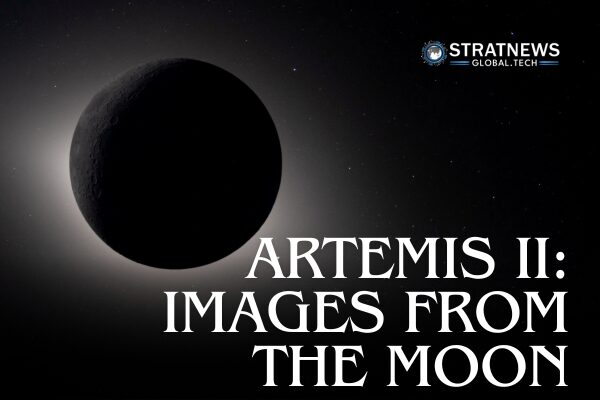
Among the most striking images was a photograph taken from the far side of the Moon, showing it completely eclipsing the Sun. A faint glow surrounded the darkened lunar surface, while distant stars remained visible in the background.
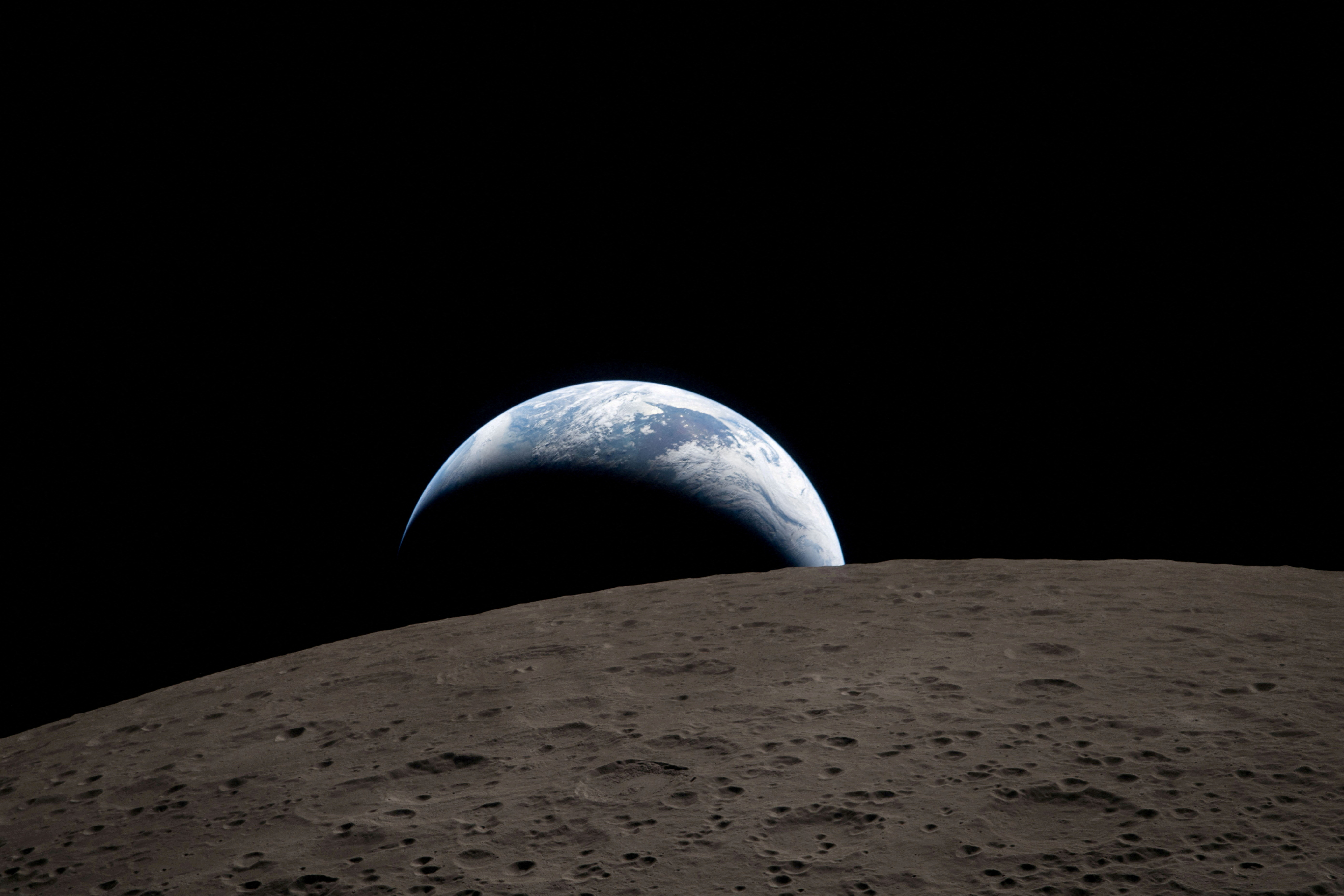
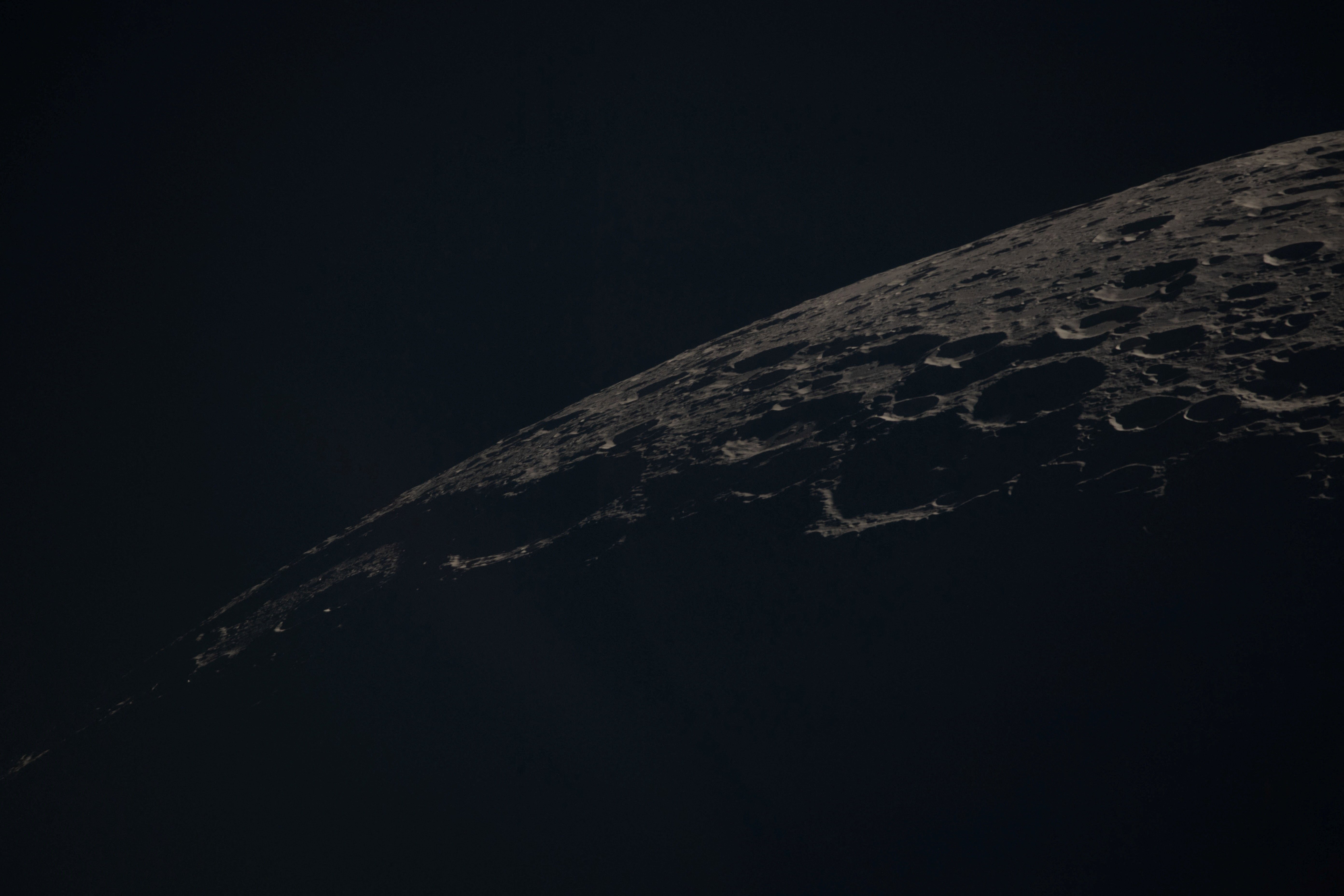
The astronauts also captured highly detailed views of the Moon’s cratered terrain. In addition, they documented moments when Earth appeared to rise and set along the lunar horizon, emphasising the vast distance from home.
Unlike missions from the Apollo era, astronauts on Artemis II could instantly review their digital images. This advancement allowed them to adjust techniques in real time, significantly improving results.
Furthermore, live video streamed through onboard cameras provided audiences on Earth with immediate access to the mission’s progress, enhancing public engagement with space exploration.
Excitement Builds Around Real-Time Discoveries
The reaction on the ground matched the excitement in space. Teams at mission control in Houston closely followed the incoming images during the April 6 lunar flyby.
As each photograph arrived and was shared, enthusiasm grew among those involved in the mission. The combination of advanced technology and skilled training enabled the crew to deliver some of the most compelling visuals of space in recent history.
With inputs from Reuters