


SpaceX Tests Starship With Upgraded Starlink V3 Satellites
SpaceX launched its Starship rocket from Texas on Friday, successfully carrying 20 upgraded Starlink V3 internet satellites into suborbital space during the company’s 13th Starship test mission. The flight marks another step towards making the rocket operational by the end of the year while advancing plans to expand Starlink’s satellite network.
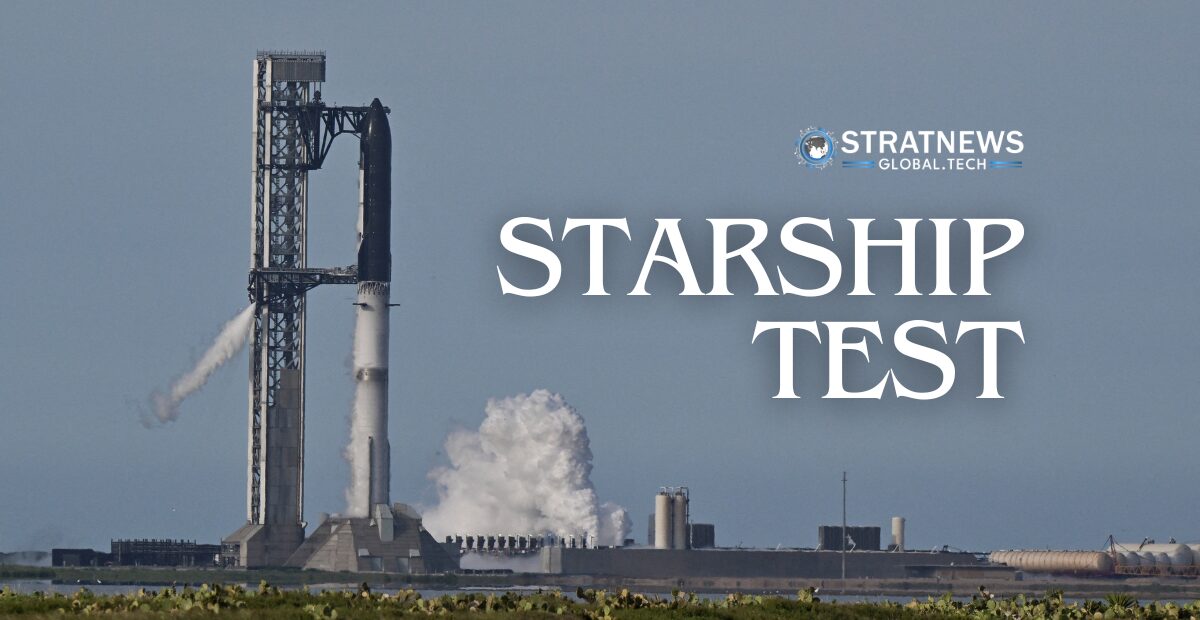
The approximately 400-foot (122-metre) Starship lifted off from SpaceX’s Starbase facility at around 6:50 p.m. ET. The mission tested a new version of the rocket that will support the company’s future ambitions, including expanding satellite internet services, supporting NASA’s planned Moon missions and deploying advanced satellite infrastructure.
Upgraded Starlink V3 Satellites Tested
During the flight, Starship released 20 Starlink V3 satellites, a more powerful generation designed to deliver higher bandwidth and faster internet speeds.
The satellites briefly connected with SpaceX’s existing constellation of around 10,000 satellites before continuing along the vehicle’s planned suborbital trajectory. As intended, they later re-entered Earth’s atmosphere and burned up rather than remaining in orbit.
The demonstration allowed SpaceX to evaluate the deployment process for the upgraded satellites ahead of future operational missions.
Improved Re-entry Performance
As Starship travelled over the night side of Earth, cameras mounted on the spacecraft captured views of thunderstorms and flashes of lightning approximately 118 miles (190 kilometres) below. Engineers at SpaceX’s Hawthorne, California, facility celebrated key milestones throughout the livestream as the mission progressed.
The flight concluded with Starship re-entering Earth’s atmosphere while showing minimal damage to its heat shield. This represented an improvement over previous test missions and supports the company’s objective of developing a fully reusable launch system capable of frequent operations.
Following re-entry, the spacecraft reignited its engines to rotate into an upright position before splashing down in the Indian Ocean. The manoeuvre simulated the controlled landing profile planned for future recoveries in Texas.
Booster Landing Falls Short
Although the upper-stage spacecraft completed most of its planned objectives, the Super Heavy first-stage booster encountered difficulties during its return.
About 10 minutes after launch, as Starship approached a speed of roughly 16,400 mph (26,400 kph), five booster engines failed to reignite during descent. As a result, the booster struck the Gulf of Mexico at a higher velocity than planned. During a similar test in May, four engines also failed to restart before splashdown.
SpaceX spokesperson Dan Huot said the company had aimed for a softer landing but acknowledged that the booster returned with considerably more speed than expected.
Starlink Expansion Plans Continue
SpaceX plans to use Starship to significantly expand its Starlink network by the end of 2026 using the more capable V3 satellites.
According to the company, the additional capacity will eventually enable standard mobile phones to connect directly to satellites in areas without conventional cellular coverage, extending internet access beyond existing mobile networks.
With inputs from Reuters

