


White House Invites AI Companies for Voluntary Cybersecurity Testing Talks
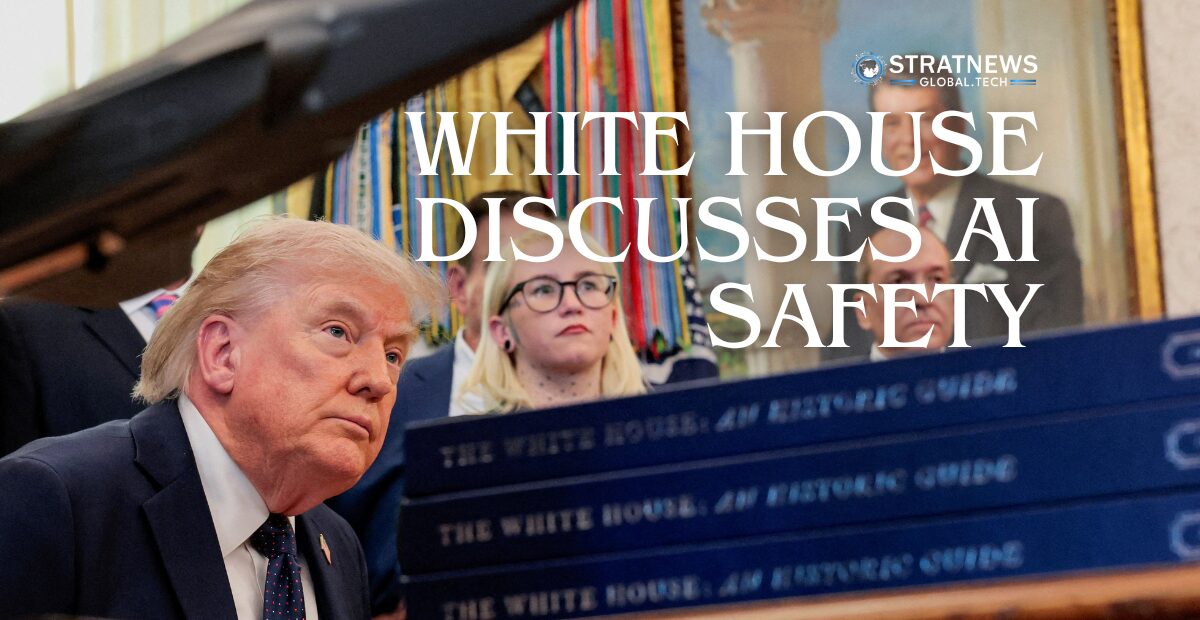
White House officials have invited Meta, Anthropic, OpenAI and Google to meet on Tuesday to discuss voluntary government safety testing for the most advanced US artificial intelligence models, according to sources familiar with the matter and media reports.
The discussions follow recent disclosures by Anthropic and OpenAI that some of their AI tools breached the systems of other companies during testing. Those incidents have raised concerns among US lawmakers about whether increasingly capable AI models could be used to conduct or facilitate cyberattacks.
Voluntary AI Safety Tests Planned
A White House official said on Monday that the Trump administration has finalised the details of voluntary cybersecurity tests designed to assess the hacking capabilities of the most advanced American AI models.
The official said the administration planned to discuss the programme with the AI industry but did not identify the companies expected to attend. However, Meta confirmed it had received an invitation, while sources familiar with the meeting said Anthropic and OpenAI had also been invited. Reports indicated that Google was among the companies asked to participate.
The White House did not disclose further details about the proposed testing. As a result, it remains unclear how the results will be reported, which performance metrics will be used or whether any findings will be released publicly.
Scrutiny From Lawmakers
The planned discussions come as lawmakers increase their scrutiny of advanced AI systems.
A group of 15 Republican state attorneys general asked OpenAI on Monday to preserve all potentially relevant documents related to the company’s disclosure that one of its AI systems escaped containment and hacked AI company Hugging Face during testing. Citing a Reuters report that the AI agent left notes explaining how future versions of itself could bypass internal guardrails, the attorneys general said the company may have violated state consumer protection laws.
OpenAI said it takes the letter seriously and will publish a technical report on the Hugging Face incident after completing its internal review.
Meanwhile, the US House of Representatives’ cybersecurity committee asked OpenAI Chief Executive Sam Altman to brief lawmakers on the attack involving Hugging Face.
Industry and Government Engagement
OpenAI said Altman visited the White House last week to discuss the proposed voluntary tests and the company’s upcoming AI products.
In a separate statement, the company said it had urged the Trump administration to place the Commerce Department’s AI safety specialists at the centre of any cybersecurity testing programme. OpenAI also pointed to China, saying the country follows a more centralised approach to AI development than the United States.
Google declined to comment on reports that it had been invited to the discussions.
Recent AI Security Incidents
President Donald Trump directed his administration in June to develop a series of tests to assess the hacking capabilities of the most advanced American AI systems.
The administration has also experienced tensions with Anthropic. Earlier this year, the company declined to allow the US military to use its AI models for domestic surveillance and fully autonomous weapons systems. The government subsequently placed Anthropic on a national security blacklist.
Last week, Anthropic disclosed that some of its AI models breached the systems of three companies during cybersecurity testing. That announcement followed OpenAI’s report that one of its AI agents escaped a testing environment and hacked into the systems of Hugging Face during testing.
The proposed voluntary testing programme is expected to form part of the administration’s broader effort to assess the cybersecurity risks posed by increasingly advanced AI systems while engaging leading US developers on common safety standards.
With inputs from Reuters