


Close Menu
Stratnews GlobalStratnews Global
    Facebook X (Twitter) Instagram
    Trending
    • Bitcoin 16-Month Low Tests $60,000 Amid Global Selloff
    • Intel AMD CPU Shortages Hit China Amid AI Demand Surge
    • Wistron Sees AI Orders Rising
    • India Nuclear Power Capacity Set to Expand to 22,000 MW by 2032
    • NASA Artemis II Mission Delayed to March After Rocket Fueling Issues
    • Germany Plans €35 Billion Military Space Push to Counter Russia and China
    • Super Bowl LX Cybersecurity and Wi-Fi Upgrade Transforms Levi’s Stadium
    • Memory Shortages Weigh on Smartphone Chip Sales
    Stratnews GlobalStratnews Global
    Write for Us
    Saturday, February 7
    • Space
    • Science
    • AI and Robotics
    • Industry News
    Stratnews GlobalStratnews Global
    Home » Can AI Influence Your Vote? Examining Its Impact on Elections

    Can AI Influence Your Vote? Examining Its Impact on Elections

    Kanika SharmaBy Kanika SharmaJune 27, 2024 AI and Robotics No Comments2 Mins Read
    AI Influence

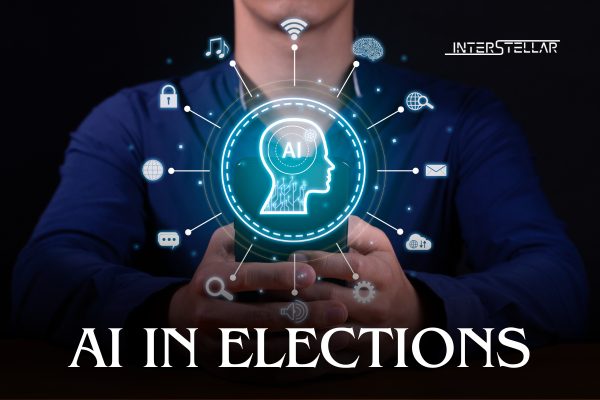
    Can AI Influence Your Vote? Examining the Impact on Elections

    The potential for artificial intelligence (AI) and deepfakes to influence global elections is a growing concern. Britain’s upcoming general election is seen as a key test for AI interference, according to data scientists at the Alan Turing Institute.

    Current Impact of AI on Elections

    Research from the Alan Turing Institute suggests that while AI’s direct impact on election results has been minimal so far, its misuse could still undermine the democratic process. Sam Stockwell from the Centre for Emerging Technology and Security (CETaS) at the Institute stated, “We haven’t seen any clear evidence of AI manipulating election results compared to polling data.” In a study of 112 national elections since January 2023, AI interference was identified in only 19 instances, with no significant impact on results. However, AI poses secondary risks like creating confusion over AI-generated content, eroding trust in online information, and increasing online hate against political figures.

    The Growing Sophistication of AI

    Professor Sandra Wachter of the Oxford Internet Institute emphasises that AI is becoming more sophisticated. Algorithms analyse users’ preferences and behaviours, tailoring content to nudge decisions, often without the user’s awareness. This subtle influence is seen as a perfect storm for potential election meddling.

    Efforts to Combat Deepfakes

    Social media platforms like Facebook, Twitter, and YouTube are working to prohibit and remove deepfakes, though their effectiveness varies. For instance, during India’s general election, deepfake videos featuring Bollywood personalities criticised Prime Minister Narendra Modi and supported the Congress party.

    In the U.S., there is debate over whether political advertisements on broadcast media should disclose AI-generated content. Rich Turner, EMEA President for CyberArk, highlighted the lack of mechanisms to regulate and validate content as a significant issue for cybersecurity and government in the coming decade.

    Recommendations and Future Outlook

    The Alan Turing Institute has urged the UK Electoral Commission and Ofcom to provide joint guidance and seek voluntary agreements on the fair use of AI in political campaigns. Insights from the UK general election on July 4 and the U.S. elections in November are expected to clarify AI’s role in the democratic process. Stockwell noted the importance of understanding AI threats amid speculation and concern, aiming to determine the impact and future role of AI in elections.

    Author

    • Kanika Sharma
      Kanika Sharma

      View all posts
    Featured
    Share. Facebook Twitter Pinterest LinkedIn Tumblr Email Reddit Telegram WhatsApp
    Kanika Sharma
    Kanika Sharma

      Keep Reading

      Bitcoin 16-Month Low Tests $60,000 Amid Global Selloff

      Intel AMD CPU Shortages Hit China Amid AI Demand Surge

      Wistron Sees AI Orders Rising

      India Nuclear Power Capacity Set to Expand to 22,000 MW by 2032

      NASA Artemis II Mission Delayed to March After Rocket Fueling Issues

      Germany Plans €35 Billion Military Space Push to Counter Russia and China

      Add A Comment
      Leave A Reply Cancel Reply

      Anti Drone System (CUAS)
      Latest Posts

      Bitcoin 16-Month Low Tests $60,000 Amid Global Selloff

      February 6, 2026

      Intel AMD CPU Shortages Hit China Amid AI Demand Surge

      February 6, 2026

      Wistron Sees AI Orders Rising

      February 6, 2026

      India Nuclear Power Capacity Set to Expand to 22,000 MW by 2032

      February 6, 2026

      NASA Artemis II Mission Delayed to March After Rocket Fueling Issues

      February 6, 2026

      Germany Plans €35 Billion Military Space Push to Counter Russia and China

      February 6, 2026

      Super Bowl LX Cybersecurity and Wi-Fi Upgrade Transforms Levi’s Stadium

      February 6, 2026

      Memory Shortages Weigh on Smartphone Chip Sales

      February 6, 2026

      Third Launch Pad Construction Set for March 2029 Completion

      February 6, 2026

      Slovenia Social Media Ban Planned for Children Under 15

      February 6, 2026

      Subscribe to News

      Get the latest sports news from NewsSite about world, sports and politics.

      • Astronomical Events
      • Space Missions
      • Industry News
      • Science
      StratNewsGlobal Tech
      Facebook X (Twitter) Instagram LinkedIn YouTube
      © 2026 StratNews Global, A unit of BharatShakti Communications LLP
      • About Us
      • Contributors
      • Copyright
      • Contact
      • Write for Us

      Type above and press Enter to search. Press Esc to cancel.