


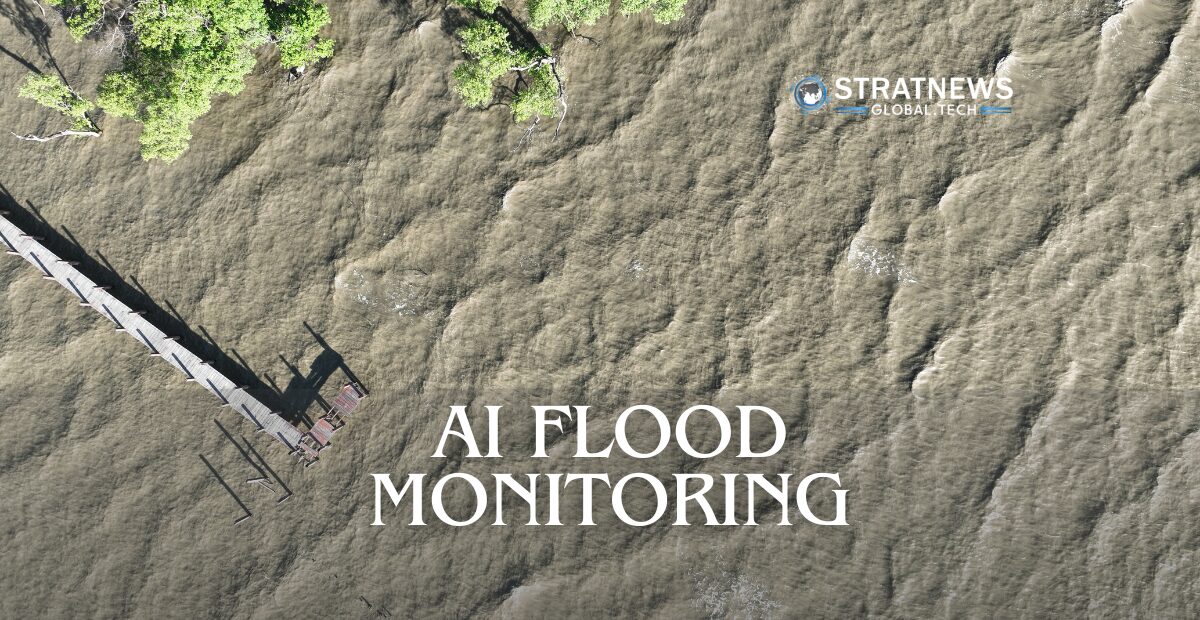
China Turns To AI As Flood Risks Rise Across Southern Provinces
Weeks of heavy rainfall have once again placed large parts of southern China on flood alert, with authorities warning that this year’s rainy season could become increasingly dangerous due to overlapping weather systems, saturated soil and growing climate-related risks.
Several provinces, including Guangdong and Guizhou, have already activated emergency flood responses after intense downpours triggered concerns over flash floods, landslides and urban waterlogging.
Chinese meteorological agencies warned that continued rainfall across already saturated regions is significantly increasing the risk of secondary disasters, particularly in mountainous and low-lying urban areas.
Beijing Warns Of Severe Flood Season
China’s Ministry of Water Resources warned as early as April that 2026 could bring a complicated mix of both flooding and drought across different parts of the country.
According to the ministry, northern China could experience unusually severe floods this year, while typhoons are also expected to travel further inland during the summer flood season.
The warnings reflect growing concerns inside China about increasingly unpredictable and extreme weather patterns linked to climate change.
In recent years, China has faced repeated episodes of record rainfall, deadly flooding, prolonged droughts and extreme heatwaves, placing mounting pressure on infrastructure, agriculture and emergency response systems.
China Expands High-Tech Flood Monitoring
In response, Chinese authorities are rapidly expanding the use of advanced technology in disaster prevention and flood management.
According to both the Ministry of Water Resources and the China Meteorological Administration, authorities are increasingly relying on integrated monitoring systems that combine satellite imagery, weather radar, hydrological modelling and artificial intelligence to improve the speed and accuracy of early warnings.
Officials say the goal is to detect dangerous weather patterns earlier and provide communities with more time to respond before disasters strike.
The Ministry of Emergency Management said local governments had been instructed to improve warning coverage and ensure alerts reach villages, households, construction sites and vulnerable areas more quickly.
Real-Time Monitoring Systems
Technology is also reshaping local flood preparedness across China.
Flood-control authorities said reservoirs, embankments, drainage systems and vulnerable infrastructure are now being monitored through digital platforms capable of tracking rainfall levels, river conditions and infrastructure safety in real time.
Officials added that inspections and flood-control measures have been strengthened around reservoirs, drainage networks and low-lying urban districts where waterlogging risks remain high.
The growing use of digital monitoring reflects Beijing’s wider push toward “smart disaster prevention” systems capable of responding faster during emergencies.
AI Weather Forecasting Gains Attention
Artificial intelligence is emerging as another major tool in China’s weather forecasting efforts.
In January, researchers from Hong Kong University of Science and Technology unveiled a new AI-based weather forecasting model capable of predicting heavy rainfall and thunderstorms up to four hours in advance.
According to the researchers, the system uses data from China’s Fengyun-4 meteorological satellite and improved forecast accuracy by more than 15% during testing.
Scientists say such AI models could help authorities issue more targeted warnings, particularly in densely populated regions vulnerable to sudden flooding.
Climate Pressures Push New Disaster Strategy
As extreme weather events become more frequent globally, China is increasingly investing in AI, satellite technology and real-time monitoring systems to strengthen disaster prevention capabilities.
Officials say the broader objective is not only to respond more effectively after floods occur, but also to improve prevention, reduce damage and better protect lives, infrastructure and economic activity before disasters unfold.
The growing reliance on technology also highlights how climate adaptation is becoming an increasingly important part of China’s long-term planning as the country braces for more volatile weather patterns in the years ahead.

