


Smart Pet Collar Uses AI To Interpret Dogs’ Emotions
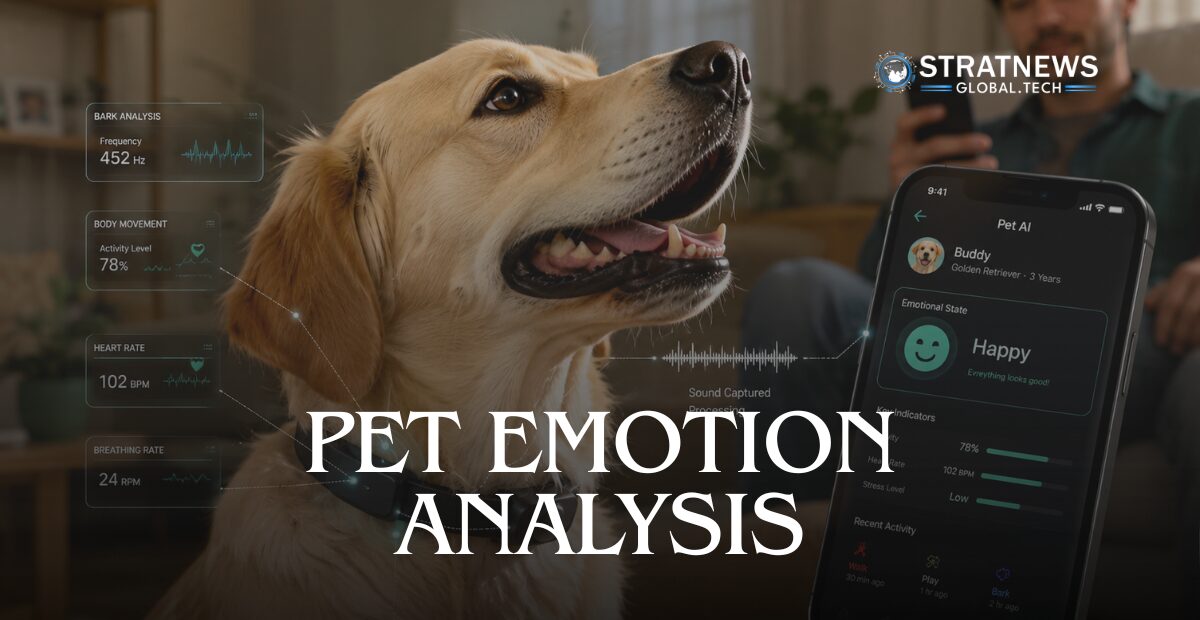
Imagine putting a smart collar on your pet dog and receiving an instant phone notification when it barks: “I’m hungry.” Then, type “Come home quickly” into an app, and the system converts the command into a signal that the dog can recognise. This technology is gradually becoming a reality at the “Compute Cube” platform within the Wuhu Intelligent Computing Economic Industrial Park in east China’s Anhui Province.
On Thursday, China News Service reporters visited the industrial park, where one resident company is training a “vertical large model for pet emotion analysis”. The model has received more than 500,000 records of pet behavioural data. As a result, developers aim to create a bridge between humans and animals by helping interpret their emotions and needs.
AI Model Analyses Pet Behaviour
The company is using large-scale behavioural data to train its specialised model for pet emotion analysis. The project focuses on identifying signals from animal behaviour and connecting them with potential emotions or needs.
More than 500,000 records have already been incorporated into the model. Therefore, the technology is designed to support a more direct way for humans to understand pets through behavioural signals.
Compute Cube Supports Technology Development
According to reports, Wuhu’s “Compute Cube” provides the foundational technical support behind the project. Companies using the platform do not need to build their own server rooms or make heavy investments in hardware.
Instead, their research and development teams can concentrate on algorithms and other technical work. In this case, the support allows developers to focus on decoding pets’ emotional signals rather than managing extensive computing infrastructure.
Building A Bridge Between Humans And Animals
The pet emotion analysis model aims to help people better understand what animals may be communicating through their behaviour. At the same time, the technology could enable signals from humans to be converted into forms that pets can recognise.
The smart collar scenario illustrates how this approach could work in practice. A dog’s bark could trigger a notification on its owner’s phone, while a command entered through an app could be translated into a signal for the animal.
CNS (China News Service) is China’s leading news agency, with reporters worldwide. Through its news release system, CNS provides China and international news 24 hours a day, with subscribers from Taiwan, Hong Kong and Macao, as well as foreign media outlets.
The content in this story, including the video and script, is provided by CNS (China News Service) and is copyrighted by CNS. Thomson Reuters does not guarantee the accuracy of, or endorse, the views or opinions expressed in, this asset.
With inputs from Reuters

