

Close Menu
Stratnews GlobalStratnews Global
    Facebook X (Twitter) Instagram
    Trending
    • Trump’s NASA Pick Jared Isaacman Pledges to Return America to the Moon Before China
    • India Eases Stance on Mandatory Cybersecurity App Amid Privacy Backlash
    • China’s LandSpace Targets SpaceX with Reusable Rocket Breakthrough
    • Shanghai Targets Online “Doom-Mongering” as Property Crisis Deepens
    • Netflix’s Warner Bros Discovery Bid Could Lower Streaming Costs
    • Apple Faces Dutch Antitrust Lawsuit After EU Court Clears Jurisdiction
    • American Consumers Drive $44 Billion Cyber Week Spending Despite Inflation
    • India’s Mandatory Sanchar Saathi App Sparks Privacy and Political Debate
    Stratnews GlobalStratnews Global
    Write for Us
    Thursday, December 4
    • Space
    • Science
    • AI and Robotics
    • Industry News
    Stratnews GlobalStratnews Global
    Home » DNA Unveils Secrets of Maya Child Sacrifices at Chichen Itza

    DNA Unveils Secrets of Maya Child Sacrifices at Chichen Itza

    StratNewsGlobal Tech TeamBy StratNewsGlobal Tech TeamJune 14, 2024Updated:June 26, 2024 Economy & Culture No Comments4 Mins Read
    DNA

    DNA Analysis Reveals Insights into Maya Child Sacrifice

    Discovery of the Chultun

    In 1967, archaeologists discovered an underground cistern, known as a chultun, near a sacred water body at Chichen Itza, a significant ancient Maya city on Mexico’s Yucatan Peninsula. Inside the chultun, they found skeletal remains of over 100 children.
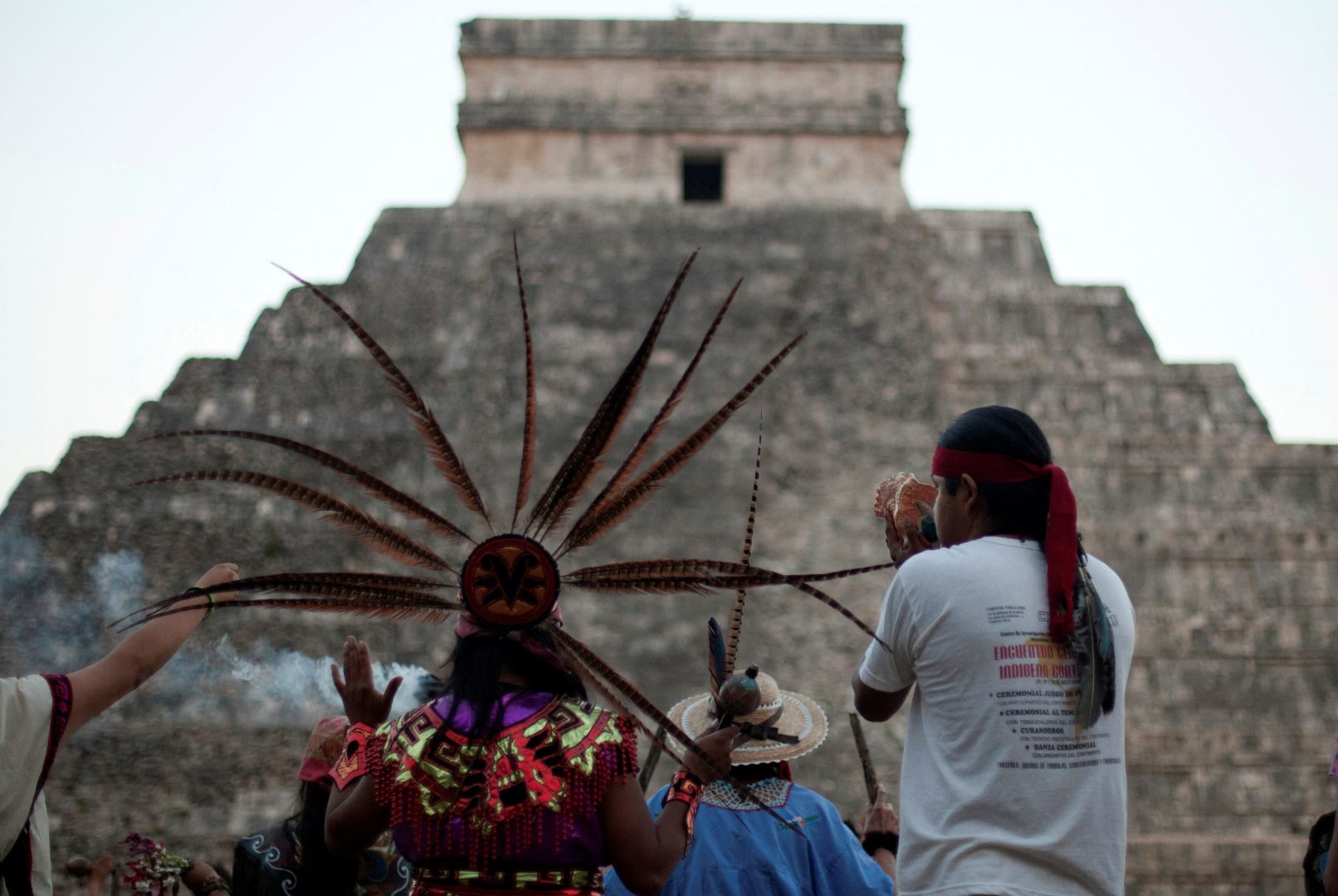
    FILE PHOTO: A group of people wearing pre-Hispanic costumes perform a ritual near the pyramid of Kukulkan at the archaeological zone of Chichen Itza in Yucatan State, December 21, 2012. REUTERS

    DNA Findings and Ritual Significance

    Recent DNA analysis of 64 of these children has shed light on the practice of child sacrifice at Chichen Itza before European contact. The remains revealed that all the children were boys, mostly aged 3 to 6, including brothers and two sets of identical twins. These children were sacrificed during religious rituals, according to scientists.

    The interments primarily took place during Chichen Itza’s peak, from around 800 AD to 1000 AD, although some burials spanned a 500-year period ending around 1100.
    Kukulkan
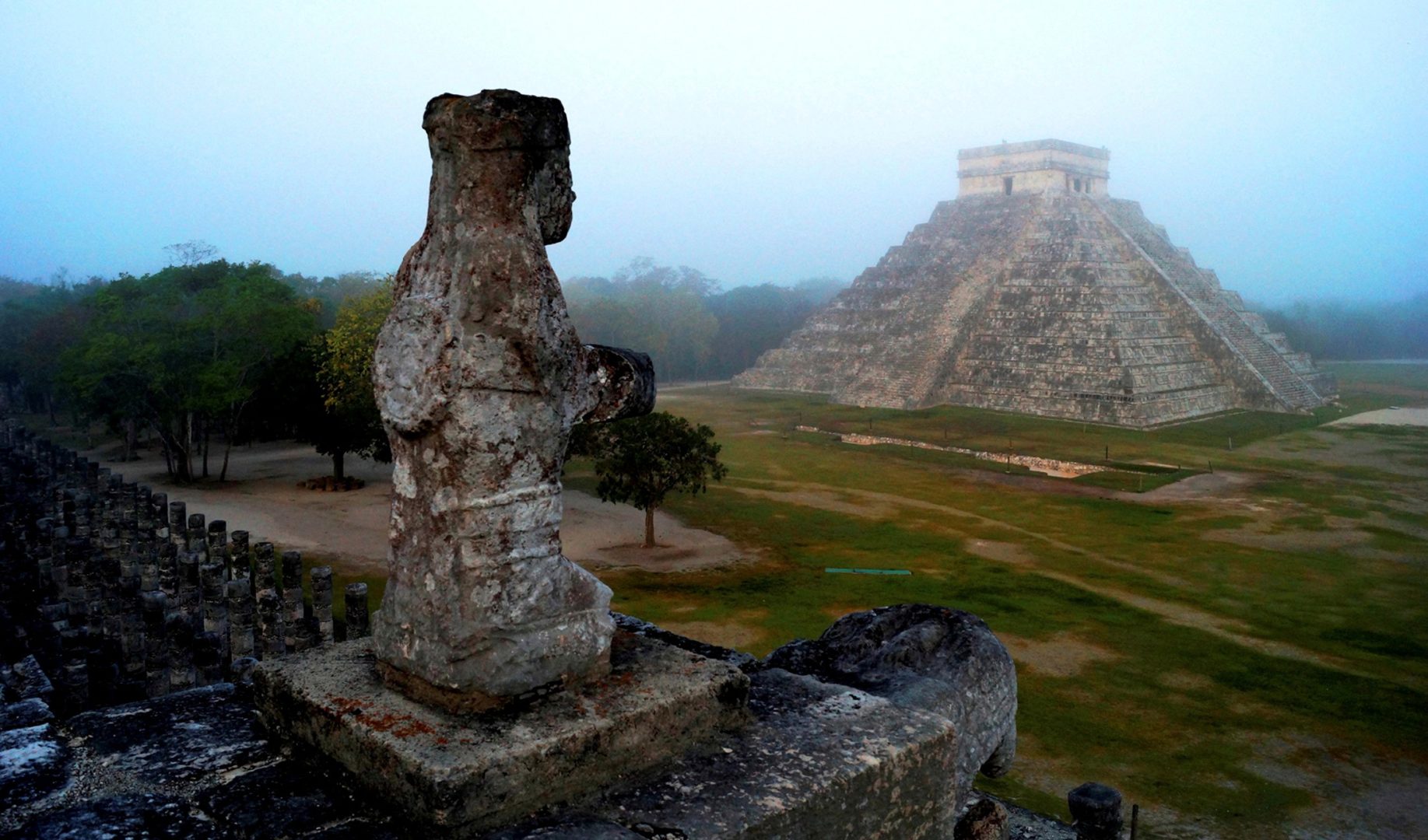
    FILE PHOTO: The Maya temple of Kukulkan, the feathered serpent and Mayan snake deity, is seen at the archaeological site of Chichen Itza, in the southern Mexican state of Yucatan, in this picture taken May 3, 2012. REUTERS

    Symbolic Sacrifice of Twins

    Twins held a special place in Maya religion and art, often depicted in sacred texts like the Popol Vuh. The Mayan Hero Twins, Hunahpu and Xbalanque, underwent cycles of sacrifice and resurrection, symbolizing their battles with the gods of the underworld. Subterranean structures like the chultun were seen as gateways to the underworld, integral to Maya cosmology.

    “Ritual sacrifice was a common practice among ancient Mesoamerican populations. However, the biological relationships between the sacrificed individuals had not been described before,” explained archaeogeneticist Rodrigo Barquera of the Max Planck Institute for Evolutionary Anthropology (MPI-EVA), lead author of the study published in Nature.

    Barquera added, “We think that the people from Chichen Itza were trying to symbolically replicate the Mayan mythological stories and the representation of the twin heroes in this ritual burial.”
    Mayan
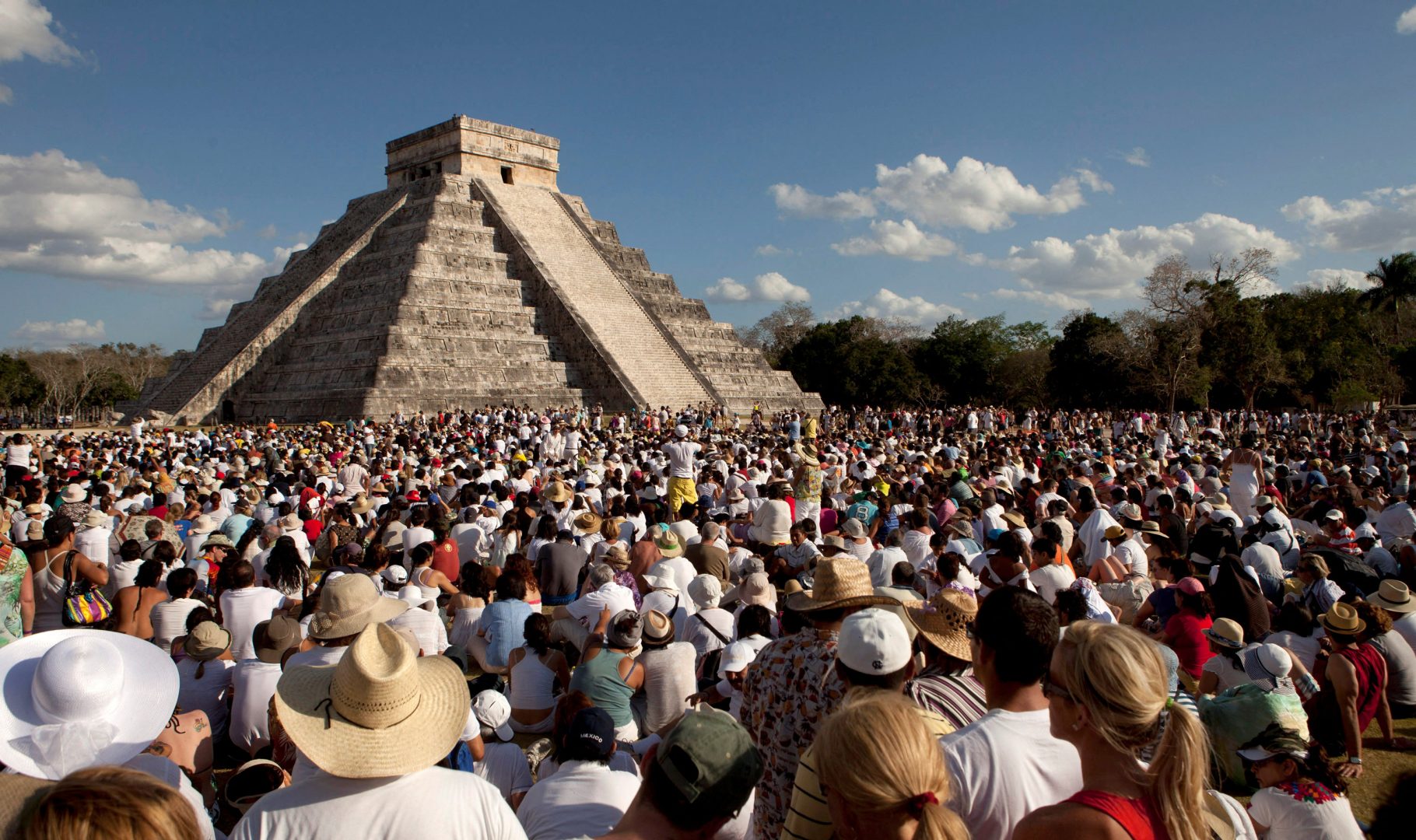
    FILE PHOTO: People look at the pyramid of Chichen Itza in the southern Mexican state of Yucatan March 21, 2012. Hundreds of Mexicans and tourists gathered at Chichen Itza to welcome spring at the Mayan pyramid El Castillo (The Castle), a temple to Kukulkan, the feathered serpent and Mayan snake deity. REUTERS

    Chultun Repurposing and DNA Analysis

    Originally, chultuns were used to store fresh water, but this one had been converted into a funerary chamber next to a small natural cave filled with human remains. DNA was extracted from the petrous portion of the temporal bone, which is optimal for preserving ancient DNA. This careful sampling allowed scientists to identify two pairs of identical twins and at least three sets of full siblings among the remains.

    This discovery challenges the previously held belief that the ancient Maya preferred female sacrifices.

    Modern Connections and Unanswered Questions

    The research team compared the genomes of the sacrificed boys to those of present-day Maya communities, including people from Tixcacaltuyub near Chichen Itza. They found genetic traits linked to immune system adaptations from an epidemic bacterial infection during Spanish colonisation.

    Despite the detailed analysis, the exact cause of death for the boys remains unknown. There were no cut marks or evidence of trauma, leaving the method of their sacrifice a mystery.

    Harvard University biomolecular archaeologist and study co-author Christina Warinner highlighted the gaps in understanding Maya rituals due to the destruction of Maya texts during the Spanish colonial period. “Human sacrifice remains one of the most misunderstood ritual acts,” she noted.
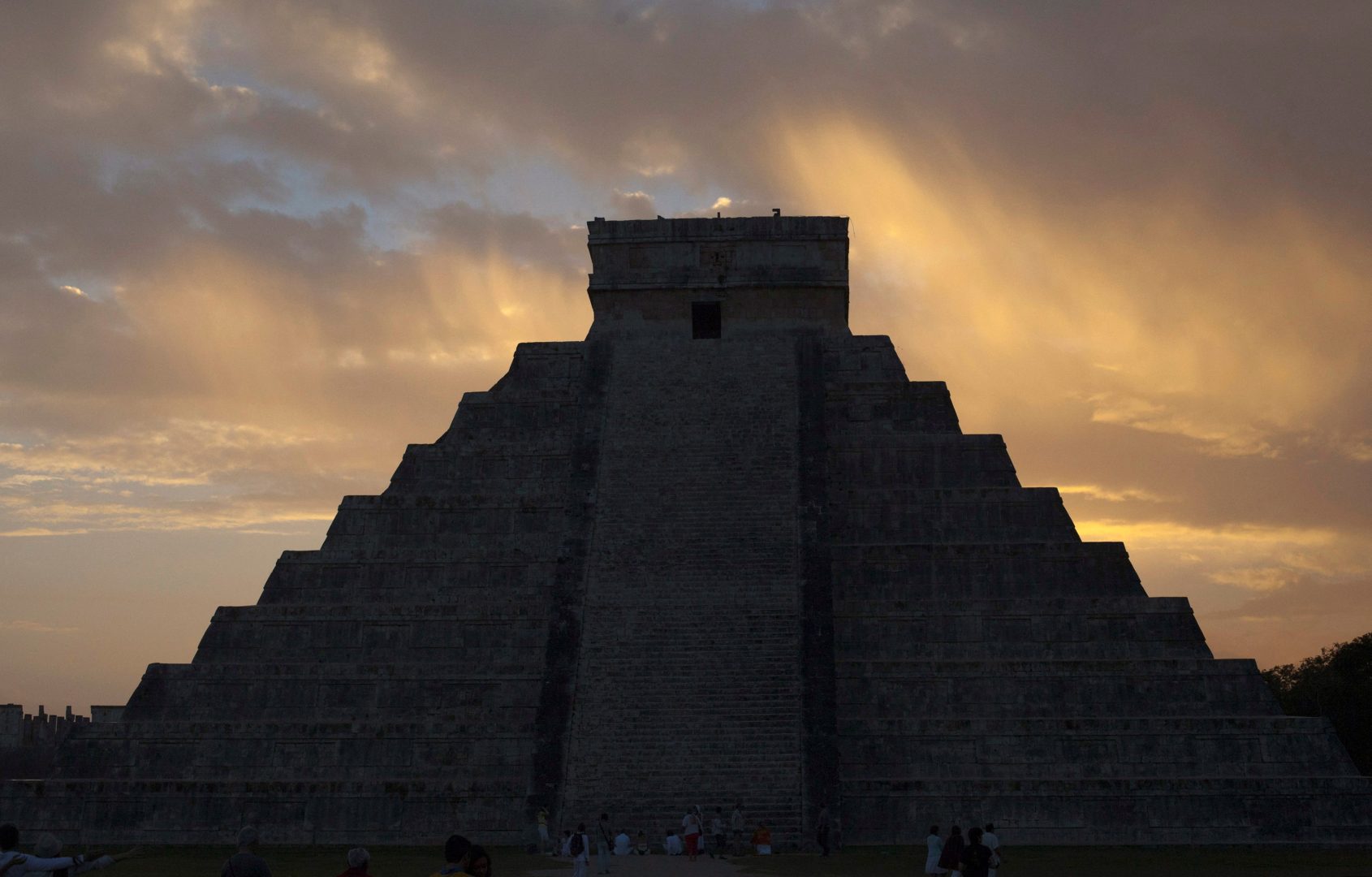
    Mayan Pyramid
    FILE PHOTO: The pyramid of Kukulcan is seen during sunrise at the archaeological zone of Chichen Itza in Yucatan State, December 21, 2012. REUTERS

    Author

    • StratNewsGlobal Tech Team
      StratNewsGlobal Tech Team

      View all posts
    Featured
    Share. Facebook Twitter Pinterest LinkedIn Tumblr Email Reddit Telegram WhatsApp
    StratNewsGlobal Tech Team
    • Website

    Keep Reading

    Trump’s NASA Pick Jared Isaacman Pledges to Return America to the Moon Before China

    India Eases Stance on Mandatory Cybersecurity App Amid Privacy Backlash

    China’s LandSpace Targets SpaceX with Reusable Rocket Breakthrough

    Shanghai Targets Online “Doom-Mongering” as Property Crisis Deepens

    Netflix’s Warner Bros Discovery Bid Could Lower Streaming Costs

    Apple Faces Dutch Antitrust Lawsuit After EU Court Clears Jurisdiction

    Add A Comment
    Leave A Reply Cancel Reply

    Anti Drone System (CUAS)
    Latest Posts

    Trump’s NASA Pick Jared Isaacman Pledges to Return America to the Moon Before China

    December 3, 2025

    India Eases Stance on Mandatory Cybersecurity App Amid Privacy Backlash

    December 3, 2025

    China’s LandSpace Targets SpaceX with Reusable Rocket Breakthrough

    December 3, 2025

    Shanghai Targets Online “Doom-Mongering” as Property Crisis Deepens

    December 3, 2025

    Netflix’s Warner Bros Discovery Bid Could Lower Streaming Costs

    December 3, 2025

    Apple Faces Dutch Antitrust Lawsuit After EU Court Clears Jurisdiction

    December 3, 2025

    American Consumers Drive $44 Billion Cyber Week Spending Despite Inflation

    December 3, 2025

    India’s Mandatory Sanchar Saathi App Sparks Privacy and Political Debate

    December 2, 2025

    UNDP Warns AI Could Deepen Global Inequality Between Nations

    December 2, 2025

    Africa Demands Fair Share of Mineral Wealth at First G20 Summit on the Continent

    December 2, 2025

    Subscribe to News

    Get the latest sports news from NewsSite about world, sports and politics.

    • Astronomical Events
    • Space Missions
    • Industry News
    • Science
    StratNewsGlobal Tech
    Facebook X (Twitter) Instagram LinkedIn YouTube
    © 2025 StratNews Global, A unit of BharatShakti Communications LLP
    • About Us
    • Contributors
    • Copyright
    • Contact
    • Write for Us

    Type above and press Enter to search. Press Esc to cancel.