

Close Menu
Stratnews GlobalStratnews Global
    Facebook X (Twitter) Instagram
    Trending
    • India, South Korea Deepen Space Ties
    • Mythos AI Raises Global Cybersecurity Concerns
    • Facial Recognition Ruling Backs UK Police Use
    • Anthropic Ban Reversal Gains Momentum Under Trump
    • Prego Connection Keeper Records Family Talks
    • Silicon Valley Disconnect From Users Explained
    • The Three Acts of Tim Cook: A Lookback
    • Europe Social Media Ban Debate Intensifies
    • Support Us
    Stratnews GlobalStratnews Global
    Write for Us
    Wednesday, April 22
    • Space
    • Science
    • AI and Robotics
    • Industry News
    • Support Us
    Stratnews GlobalStratnews Global
    Home » James Webb Space Telescope Could Unveil Gritty Clouds on Exoplanets

    James Webb Space Telescope Could Unveil Gritty Clouds on Exoplanets

    Aerosols can create a haze or a gritty cloud layer in the atmosphere of an exoplanet.
    StratNewsGlobal Tech TeamBy StratNewsGlobal Tech TeamMarch 24, 2023Updated:March 27, 2023 Science No Comments1 Min Read
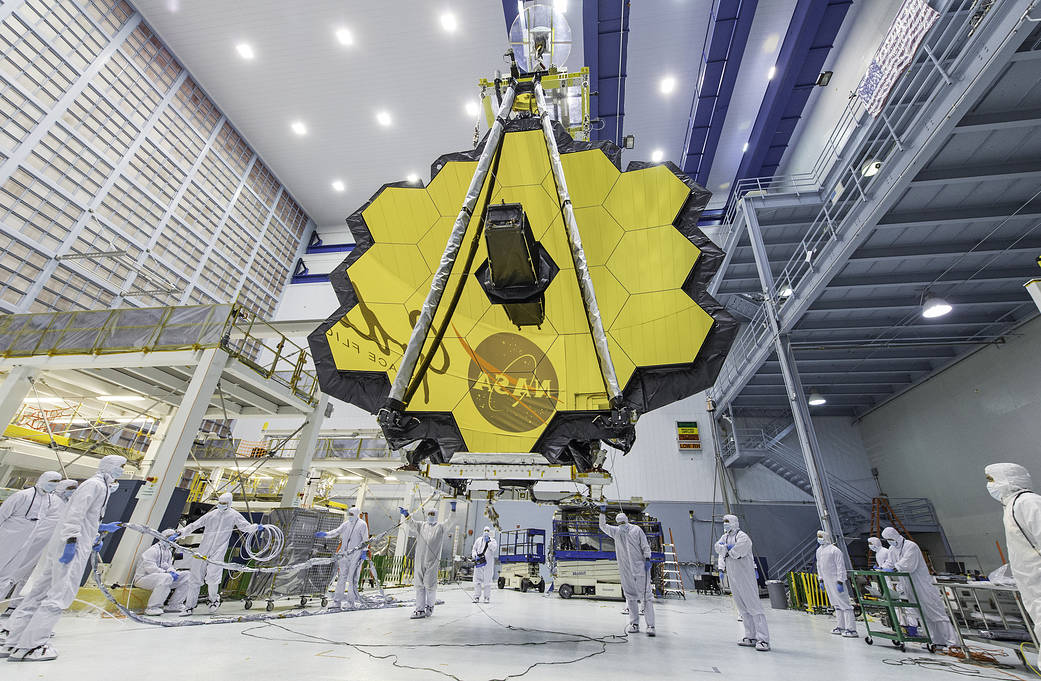
    NASA/Desiree Stover
    Picture Courtesy: NASA/Desiree Stover

    The upcoming James Webb Space Telescope (JWST) could revolutionize our understanding of exoplanets by detecting clouds made of tiny particles known as aerosols.

    Aerosols are microscopic particles suspended in a gas, and they can create a haze or a gritty cloud layer in the atmosphere of an exoplanet. This could have important implications for understanding the planet’s climate and habitability.

    The JWST is equipped with a range of powerful instruments, including the Near Infrared Camera (NIRCam), which is capable of detecting the faint light scattered by aerosols. This means it could potentially observe and analyze the clouds and haze layers of exoplanets in greater detail than ever before.

    The detection of aerosols on exoplanets could also provide clues about the potential for life on other planets. For example, a thick cloud layer could shield the planet’s surface from harmful radiation and create a more habitable environment.

    The JWST is set to launch in October 2021 and will undergo a series of tests before beginning its scientific mission. If successful, it could transform our understanding of exoplanets and their potential for life, and help us to answer some of the biggest questions about our place in the universe.

    Author

    • StratNewsGlobal Tech Team
      StratNewsGlobal Tech Team
      View all posts
    Featured
    Share. Facebook Twitter Pinterest LinkedIn Tumblr Email Reddit Telegram WhatsApp
    StratNewsGlobal Tech Team
    • Website

    Keep Reading

    India, South Korea Deepen Space Ties

    Mythos AI Raises Global Cybersecurity Concerns

    Facial Recognition Ruling Backs UK Police Use

    Anthropic Ban Reversal Gains Momentum Under Trump

    Prego Connection Keeper Records Family Talks

    Silicon Valley Disconnect From Users Explained

    Add A Comment
    Leave A Reply Cancel Reply

    Anti Drone System (CUAS)
    Latest Posts

    India, South Korea Deepen Space Ties

    April 22, 2026

    Mythos AI Raises Global Cybersecurity Concerns

    April 22, 2026

    Facial Recognition Ruling Backs UK Police Use

    April 22, 2026

    Anthropic Ban Reversal Gains Momentum Under Trump

    April 22, 2026

    Prego Connection Keeper Records Family Talks

    April 22, 2026

    Silicon Valley Disconnect From Users Explained

    April 21, 2026

    The Three Acts of Tim Cook: A Lookback

    April 21, 2026

    Europe Social Media Ban Debate Intensifies

    April 21, 2026

    Japan Defence Exports Reform Signals Policy Shift

    April 21, 2026

    John Ternus CEO Leads Apple Into AI Era

    April 21, 2026

    Subscribe to News

    Get the latest sports news from NewsSite about world, sports and politics.

    • Astronomical Events
    • Space Missions
    • Industry News
    • Science
    StratNewsGlobal Tech
    Facebook X (Twitter) Instagram LinkedIn YouTube
    © 2026 StratNews Global, A unit of BharatShakti Communications LLP
    • About Us
    • Contributors
    • Copyright
    • Contact
    • Write for Us

    Type above and press Enter to search. Press Esc to cancel.