


Close Menu
Stratnews GlobalStratnews Global
    Facebook X (Twitter) Instagram
    Trending
    • A Decade of Startup India: Driving Innovation and Inclusive Growth
    • Japan Probes Elon Musk’s Grok AI Over Inappropriate Image Generation
    • TikTok to Roll Out Age-Detection Technology Across Europe Amid Regulatory Scrutiny
    • India to Raise Foreign Investment Cap in Defence Sector to 74%
    • CSIR Expands National Skill Training Under Integrated Initiative
    • U.S. Senate Passes Major Science Funding Bill, Rejects Trump’s Cuts
    • BBC to Partner with YouTube for Original Programming, FT Reports
    • Viettel Launches Construction of Vietnam’s First Semiconductor Plant
    Stratnews GlobalStratnews Global
    Write for Us
    Friday, January 16
    • Space
    • Science
    • AI and Robotics
    • Industry News
    Stratnews GlobalStratnews Global
    Home » North Korea’s Satellite Launch Ends in Failure but Shows Technological Advances

    North Korea’s Satellite Launch Ends in Failure but Shows Technological Advances

    Aditya LenkaBy Aditya LenkaMay 28, 2024 Space Defence No Comments2 Mins Read
    North Korea's satellite launch fails

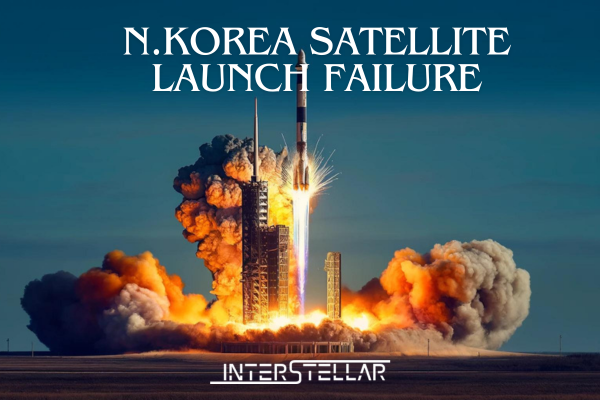
    North Korea’s recent satellite launch exploded shortly after lift-off, crashing into the Yellow Sea. Despite the failure, analysts believe it demonstrates significant progress in the country’s space ambitions.

    Details of the Launch Failure

    The satellite launch failed during the rocket’s first stage, which used a new “liquid oxygen and petroleum engine.” State media KCNA reported an initial analysis suggested the new liquid-fuel rocket motor might have caused the failure, though other possibilities are under investigation.

    Analysts speculate the rocket used for this launch was different from the Chollima-1 rocket, which had several explosive test failures before its successful launch in November 2023. The Chollima-1 used hypergolic fuels, which ignite on contact and can be stored at room temperature, unlike the liquid oxygen used in the latest launch.

    Possible Russian Assistance

    The use of a petroleum fuel and liquid oxygen engine hints at possible assistance from Russia. Lee Choon-geun, an honorary research fellow at South Korea’s Science and Technology Policy Institute, noted that Russia has a strong history with liquid oxygen-kerosene fuel. South Korea’s Naro and Nuri rockets, developed with Russian cooperation, use similar technology.

    Liquid oxygen, which boils at -183°C (–297°F), requires specialised storage and equipment, explaining North Korea’s multiple static rocket tests last year. Lee highlighted the challenges of solving combustion instability problems and using materials that can endure extreme temperatures.

    Strategic Implications

    Some analysts question North Korea’s switch to this engine type, but Lee suggested it could help separate their civilian space programme from military ballistic missiles, which are banned by the UN Security Council. Reports from Yonhap news agency, citing a South Korean defence official, mentioned Russian experts aiding North Korea’s satellite programme, although the specifics of this assistance remain unclear.

    Future Prospects

    Shin Jong-woo, a senior researcher at the Korea Defense and Security Forum, believes that if North Korea can correctly analyse the data from the two-minute flight, they could re-launch soon. However, South Korea’s military indicated that it might take North Korea some time before another attempt.

    International Reactions

    South Korea’s military released footage showing the launch failure, filmed by a patrol vessel. Japanese broadcaster NHK also aired video from the Chinese border city of Dandong, showing a similar explosion.

    Nuclear envoys from South Korea, the United States, and Japan condemned the launch as a violation of UN Security Council resolutions, following a three-way summit in Seoul.

    Author

    • Aditya Lenka
      Aditya Lenka

      A multi-faceted professional with a diverse range of skills and experiences. He currently works as a Producer, Digital Marketer, and Journalist for several well-known media outlets, namely StratNewsGlobal, BharatShakti, and Interstellar. With a passion for storytelling and a keen eye for detail, Aditya has covered a wide range of topics and events across India, bringing a unique perspective to his work.When he's not busy producing content, Aditya enjoys exploring new places and cuisines, having traveled extensively throughout India. He's also an avid writer and poet, often penning his thoughts and musings in his free time. And when he wants to unwind and relax, Aditya spends time with his two loyal companions, Zorro and Pablo, his beloved dogs.Aditya's dynamic personality and varied interests make him a unique individual, always eager to learn and experience new things.

      View all posts
    Featured
    Share. Facebook Twitter Pinterest LinkedIn Tumblr Email Reddit Telegram WhatsApp
    Aditya Lenka
    Aditya Lenka

      A multi-faceted professional with a diverse range of skills and experiences. He currently works as a Producer, Digital Marketer, and Journalist for several well-known media outlets, namely StratNewsGlobal, BharatShakti, and Interstellar. With a passion for storytelling and a keen eye for detail, Aditya has covered a wide range of topics and events across India, bringing a unique perspective to his work.When he's not busy producing content, Aditya enjoys exploring new places and cuisines, having traveled extensively throughout India. He's also an avid writer and poet, often penning his thoughts and musings in his free time. And when he wants to unwind and relax, Aditya spends time with his two loyal companions, Zorro and Pablo, his beloved dogs.Aditya's dynamic personality and varied interests make him a unique individual, always eager to learn and experience new things.

      Keep Reading

      A Decade of Startup India: Driving Innovation and Inclusive Growth

      Japan Probes Elon Musk’s Grok AI Over Inappropriate Image Generation

      TikTok to Roll Out Age-Detection Technology Across Europe Amid Regulatory Scrutiny

      India to Raise Foreign Investment Cap in Defence Sector to 74%

      CSIR Expands National Skill Training Under Integrated Initiative

      U.S. Senate Passes Major Science Funding Bill, Rejects Trump’s Cuts

      Add A Comment
      Leave A Reply Cancel Reply

      Anti Drone System (CUAS)
      Latest Posts

      A Decade of Startup India: Driving Innovation and Inclusive Growth

      January 16, 2026

      Japan Probes Elon Musk’s Grok AI Over Inappropriate Image Generation

      January 16, 2026

      TikTok to Roll Out Age-Detection Technology Across Europe Amid Regulatory Scrutiny

      January 16, 2026

      India to Raise Foreign Investment Cap in Defence Sector to 74%

      January 16, 2026

      CSIR Expands National Skill Training Under Integrated Initiative

      January 16, 2026

      U.S. Senate Passes Major Science Funding Bill, Rejects Trump’s Cuts

      January 16, 2026

      BBC to Partner with YouTube for Original Programming, FT Reports

      January 16, 2026

      Viettel Launches Construction of Vietnam’s First Semiconductor Plant

      January 16, 2026

      Madhya Pradesh Hosts Regional AI Conference Showcasing Governance Innovation

      January 16, 2026

      Asian Shares Climb as AI Boom Revives; Dollar Near Six-Week High

      January 16, 2026

      Subscribe to News

      Get the latest sports news from NewsSite about world, sports and politics.

      • Astronomical Events
      • Space Missions
      • Industry News
      • Science
      StratNewsGlobal Tech
      Facebook X (Twitter) Instagram LinkedIn YouTube
      © 2026 StratNews Global, A unit of BharatShakti Communications LLP
      • About Us
      • Contributors
      • Copyright
      • Contact
      • Write for Us

      Type above and press Enter to search. Press Esc to cancel.