



Close Menu
Stratnews GlobalStratnews Global
    Facebook X (Twitter) Instagram
    Trending
    • AI Image Detection Becomes Increasingly Difficult
    • Chakram Rocket Engine Test Boosts Space Innovation
    • Digital Detox Movement Shapes Gen Z Habits
    • Silicon Photonics India Boosts Chip Innovation
    • Artemis III Core Stage Advances NASA Moon Mission
    • AWS AI Competency Boosts TO THE NEW AI Growth
    • MMGEIS Programme Boosts Geospatial Skills In India
    • Phishing Attacks Linked To Russia Suspected By Germany
    • Support Us
    Stratnews GlobalStratnews Global
    Write for Us
    Tuesday, April 28
    • Space
    • Science
    • AI and Robotics
    • Industry News
    • Support Us
    Stratnews GlobalStratnews Global
    Home » Countdown For ISRO’s INSAT-3DS Satellite Launch Begins

    Countdown For ISRO’s INSAT-3DS Satellite Launch Begins

    Kanika SharmaBy Kanika SharmaFebruary 16, 2024Updated:February 16, 2024 Space No Comments1 Min Read

    ISRO is all set to launch INSAT-3DS, a meteorological and disaster warning satellite, on February 17 at 17:35 hours IST from SDSC-SHAR, Sriharikota. The launch countdown began on Friday.
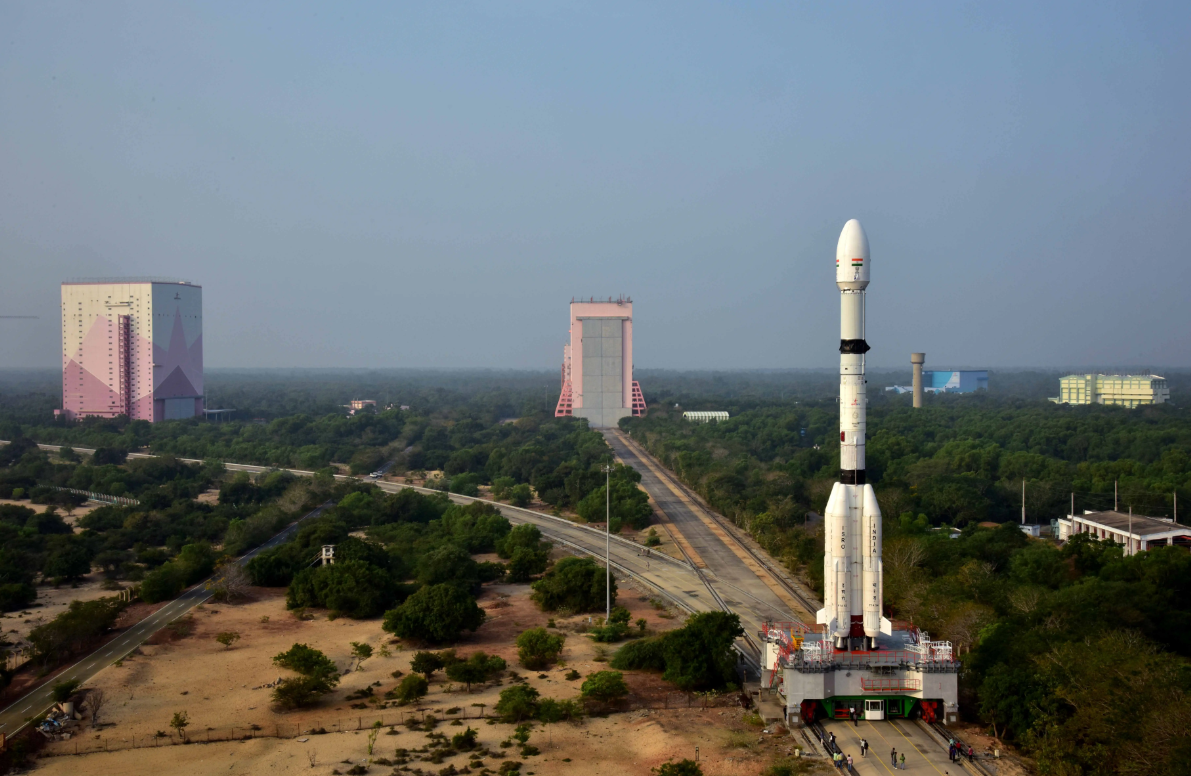
    The satellite is designed for enhanced meteorological observations and monitoring of land and ocean surfaces for weather forecasting and disaster warning.
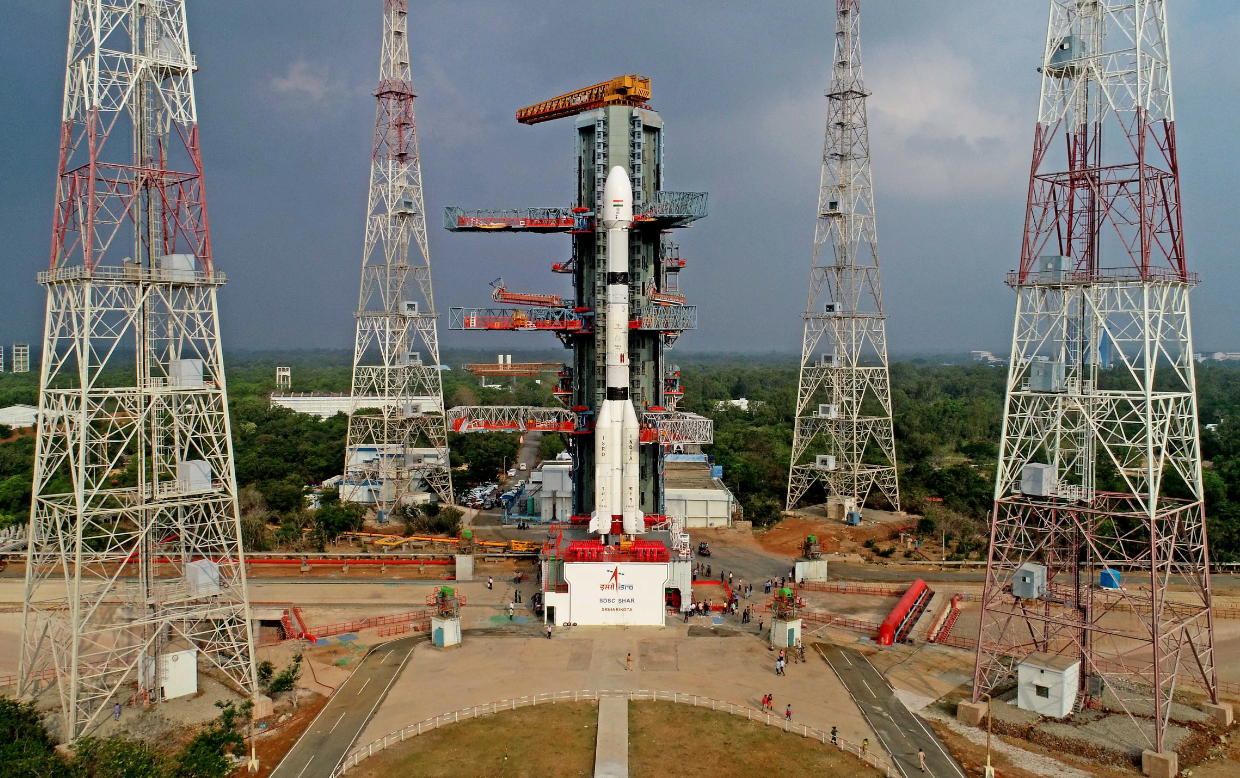
    It is equipped with state-of-the-art payloads viz., 6 channel Imager & 19 channel Sounder meteorology payloads, communication payloads viz., The Data Relay Transponder (DRT) and Satellite aided Search and Rescue (SAS&R) transponder.
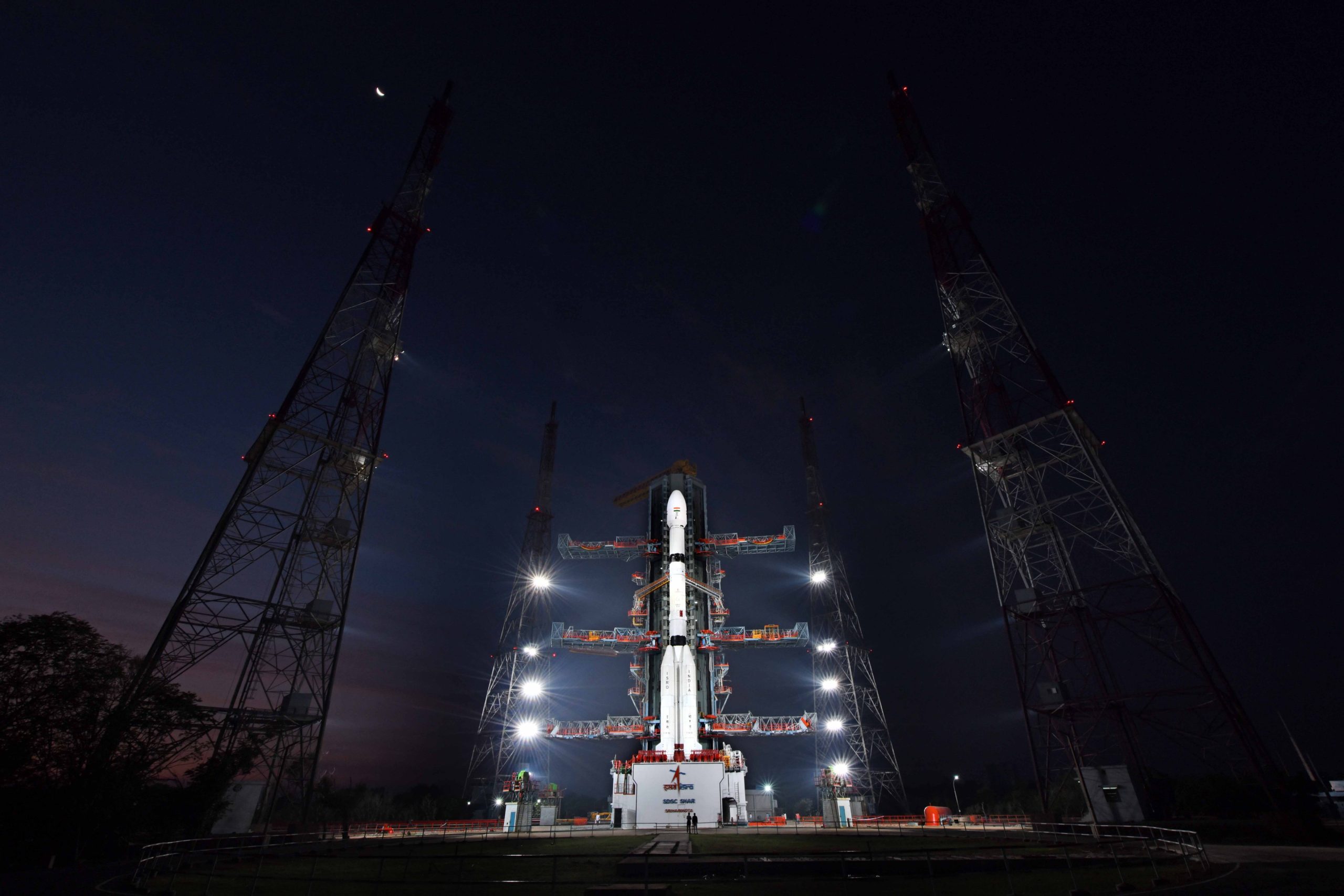
    INSAT-3DS Satellite is a follow-on mission of Third Generation Meteorological Satellite from Geostationary Orbit. GSLV-F14/INSAT-3DS mission is fully funded by the Ministry of Earth Sciences (MoES).
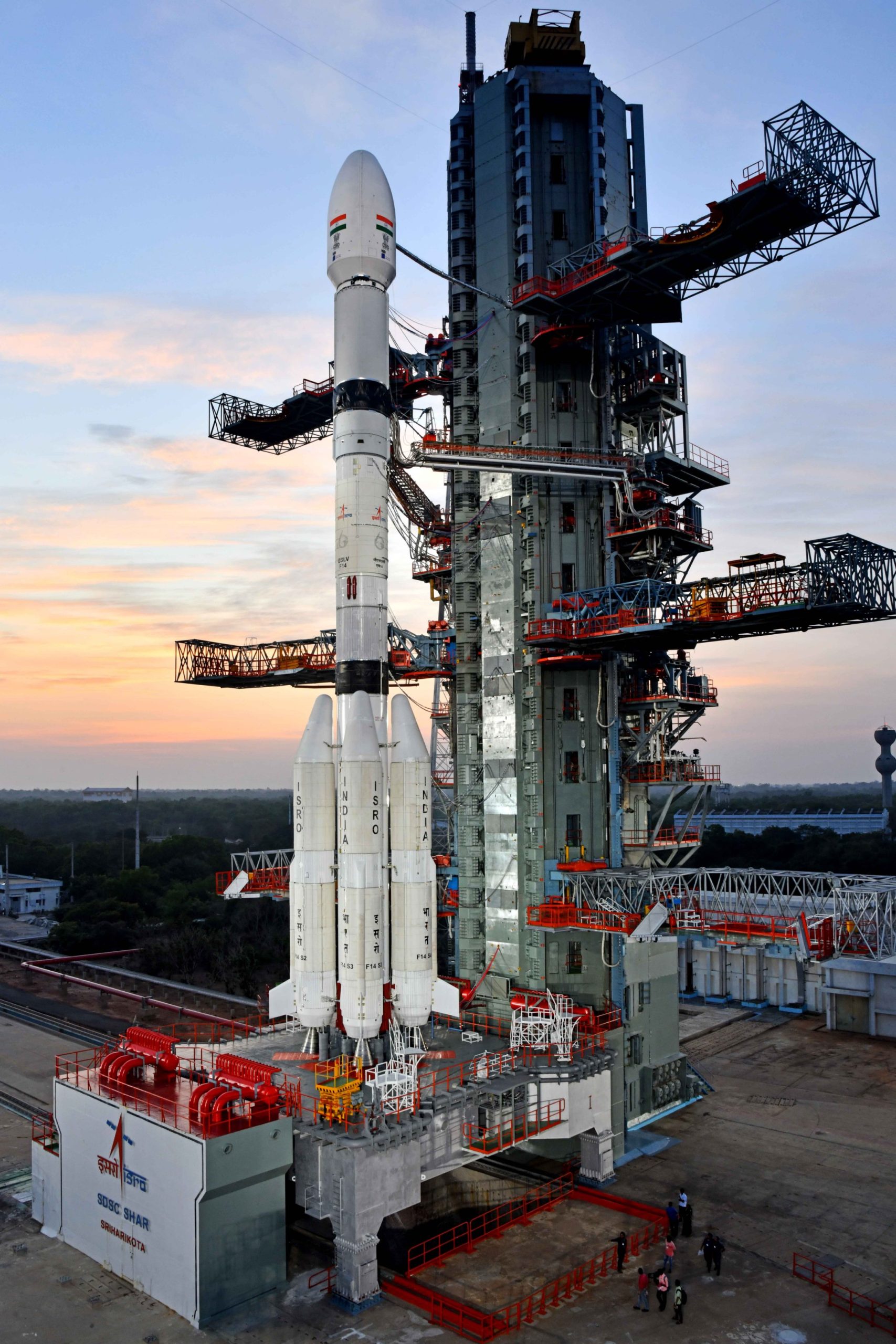
    In its 16th mission, the GSLV aims to deploy the INSAT-3DS satellite into the Geosynchronous Transfer Orbit. Subsequent orbit-raising maneuvers will ensure that the satellite is positioned in a Geo-stationary Orbit.
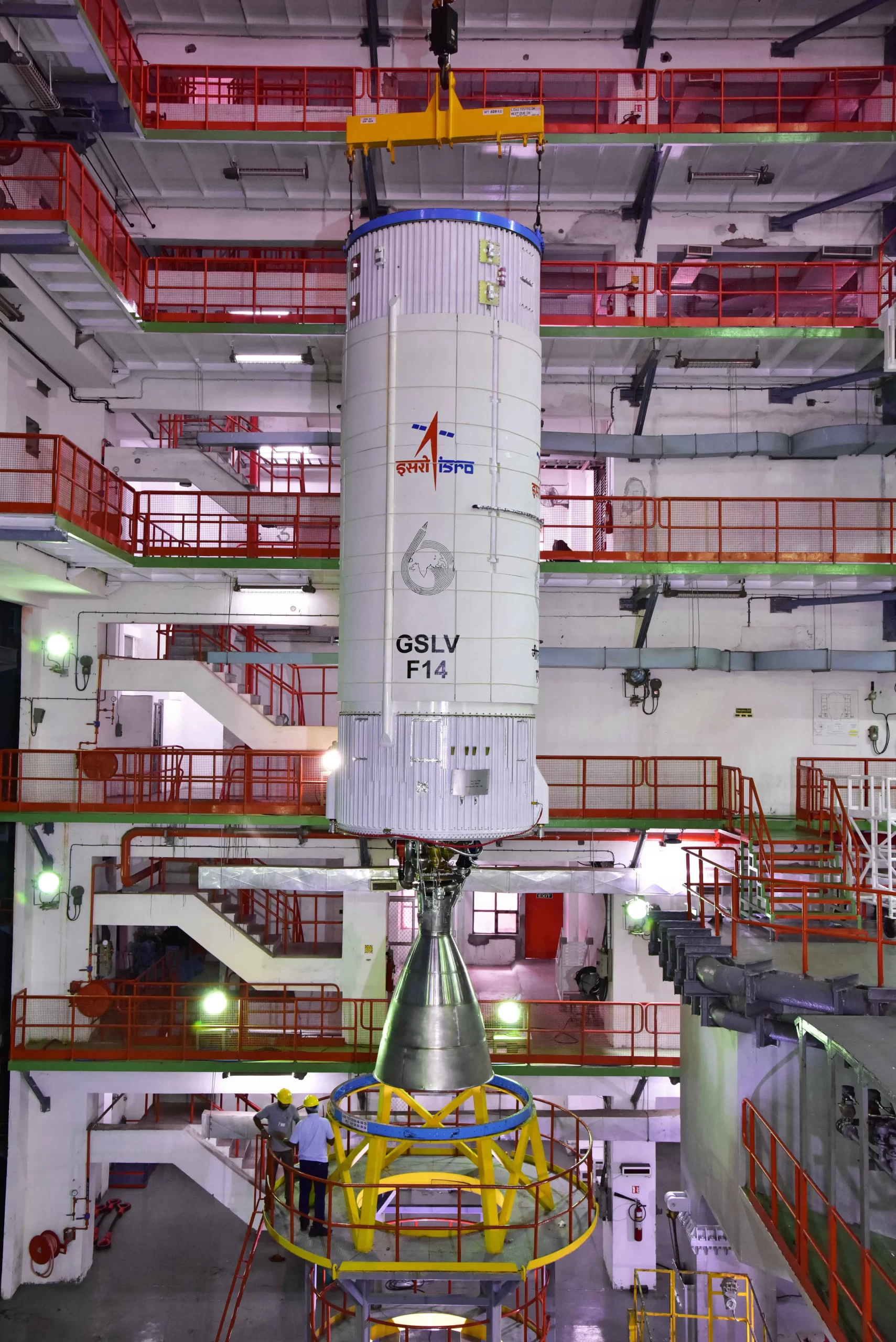
    Geosynchronous Satellite Launch Vehicle (GSLV) is a three-stage 51.7 m long launch vehicle with a liftoff mass of 420 tonnes.

    Author

    • Kanika Sharma
      Kanika Sharma
      View all posts
    Featured
    Share. Facebook Twitter Pinterest LinkedIn Tumblr Email Reddit Telegram WhatsApp
    Kanika Sharma
    Kanika Sharma

      Keep Reading

      AI Image Detection Becomes Increasingly Difficult

      Chakram Rocket Engine Test Boosts Space Innovation

      Digital Detox Movement Shapes Gen Z Habits

      Silicon Photonics India Boosts Chip Innovation

      Artemis III Core Stage Advances NASA Moon Mission

      AWS AI Competency Boosts TO THE NEW AI Growth

      Add A Comment
      Leave A Reply Cancel Reply

      Anti Drone System (CUAS)
      Latest Posts

      AI Image Detection Becomes Increasingly Difficult

      April 27, 2026

      Chakram Rocket Engine Test Boosts Space Innovation

      April 27, 2026

      Digital Detox Movement Shapes Gen Z Habits

      April 27, 2026

      Silicon Photonics India Boosts Chip Innovation

      April 27, 2026

      Artemis III Core Stage Advances NASA Moon Mission

      April 27, 2026

      AWS AI Competency Boosts TO THE NEW AI Growth

      April 27, 2026

      MMGEIS Programme Boosts Geospatial Skills In India

      April 27, 2026

      Phishing Attacks Linked To Russia Suspected By Germany

      April 27, 2026

      Robot ‘Hugs’ Student at China University Event, Sparks Safety Debate

      April 27, 2026

      HFCL Radar Expansion Strengthens Defence Technology

      April 27, 2026

      Subscribe to News

      Get the latest sports news from NewsSite about world, sports and politics.

      • Astronomical Events
      • Space Missions
      • Industry News
      • Science
      StratNewsGlobal Tech
      Facebook X (Twitter) Instagram LinkedIn YouTube
      © 2026 StratNews Global, A unit of BharatShakti Communications LLP
      • About Us
      • Contributors
      • Copyright
      • Contact
      • Write for Us

      Type above and press Enter to search. Press Esc to cancel.