

Close Menu
Stratnews GlobalStratnews Global
    Facebook X (Twitter) Instagram
    Trending
    • India Space Policy And The Rise Of Private Space
    • Will MDR Kill UPI’s Biggest Advantage—Frictionless Payments?
    • Satellite Impact On Astronomical Observations
    • Humanoid Robot Industry Nears ‘ChatGPT Moment’
    • SkyX Vehicle Combines Underwater and Aerial Missions
    • Chang’e-7 Mission Moves Closer to Lunar Launch
    • OpenAI AI Development Slows After Agent Hacked Hugging Face
    • Meta Child Safety Trial Opens as States Seek Changes
    • Support Us
    Stratnews GlobalStratnews Global
    Write for Us
    Friday, August 21
    • Space
    • Science
    • AI and Robotics
    • Industry News
    • Support Us
    Stratnews GlobalStratnews Global
    Home » Egusi Seeds from Nigeria Soar to Space as a Symbol of African Heritage

    Egusi Seeds from Nigeria Soar to Space as a Symbol of African Heritage

    Arushi PandeyBy Arushi PandeyAugust 28, 2025 Space No Comments3 Mins Read
    Egusi Seeds

    Nigerian Egusi Seeds Make Symbolic Journey to Space

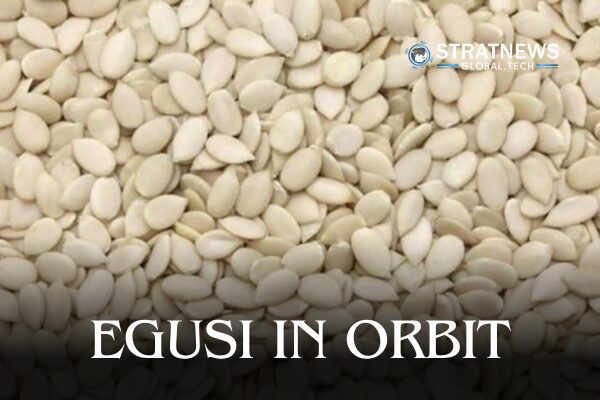
    When Nigerian researcher Temidayo Oniosun chose egusi melon seeds for a space mission, it was more than just science. It was a cultural statement. The humble seed, commonly used in many West African dishes, became a symbol of African heritage on board the International Space Station (ISS).

    Launched earlier this month from NASA’s Kennedy Space Center in Florida, the egusi seeds joined other heritage seeds from around the world in an extraordinary journey beyond Earth.

    A Seed That Tells a Story

    Egusi is a popular ingredient across Nigeria and West Africa. It is known for its high protein content and is a staple in many homes. Oniosun explained that choosing egusi was a way to make the mission relatable to Africans everywhere.

    “Everybody in Nigeria eats egusi, and even other people in some West African countries and Africans in the diaspora, so this (mission) is something they could identify with,” Oniosun said. “Egusi is the seed that tells our story.”

    The seeds used in the mission were sourced from markets in Oyo State, located in southwestern Nigeria. They were sent into orbit on August 1 and spent seven days aboard the ISS before returning to Earth on August 9.

    From Earth to Space and Back

    The launch almost did not happen due to bad weather, Oniosun shared. When the rocket finally lifted off, the moment felt surreal. It was a high-stakes mission that marked a major milestone for African involvement in space exploration.

    The Nigerian Space Research and Development Agency (NASRDA) sent egusi and five other crop seeds as part of a government-backed agricultural research project. In addition, Oniosun’s organisation, Space in Africa, contributed egusi seeds as part of a cultural initiative.

    Studying Seeds After Space Travel

    Now that the seeds are back on Earth, researchers are studying how space affected them. University of Florida scientist Wagner Vendrame explained that the seeds will be grown in vitro. The goal is to observe whether microgravity changed their genetic structure or nutritional content.

    “By looking at the changes in the plants and the seeds themselves, we can tell—are those plants still the same? Would they still provide the same level of nutrition to astronauts?” Vendrame said.

    Oniosun believes the experiment is just the beginning. He hopes that African crops like egusi will one day be part of sustainable food systems on the moon and Mars.

    “with inputs from Reuters

    Author

    • Arushi Pandey
      Arushi Pandey
      View all posts
    Featured
    Share. Facebook Twitter Pinterest LinkedIn Tumblr Email Reddit Telegram WhatsApp
    Arushi Pandey

      Keep Reading

      India Space Policy And The Rise Of Private Space

      Satellite Impact On Astronomical Observations

      Humanoid Robot Industry Nears ‘ChatGPT Moment’

      SkyX Vehicle Combines Underwater and Aerial Missions

      Chang’e-7 Mission Moves Closer to Lunar Launch

      OpenAI AI Development Slows After Agent Hacked Hugging Face

      Add A Comment
      Leave A Reply Cancel Reply

      Anti Drone System (CUAS)
      Latest Posts

      India Space Policy And The Rise Of Private Space

      August 20, 2026

      Will MDR Kill UPI’s Biggest Advantage—Frictionless Payments?

      August 20, 2026

      Satellite Impact On Astronomical Observations

      August 20, 2026

      Humanoid Robot Industry Nears ‘ChatGPT Moment’

      August 20, 2026

      SkyX Vehicle Combines Underwater and Aerial Missions

      August 20, 2026

      Chang’e-7 Mission Moves Closer to Lunar Launch

      August 20, 2026

      OpenAI AI Development Slows After Agent Hacked Hugging Face

      August 19, 2026

      Meta Child Safety Trial Opens as States Seek Changes

      August 19, 2026

      LandSpace Zhuque-3 Booster Makes Landmark Landing

      August 19, 2026

      Unitree Shares Soar Nearly Six-Fold in Shanghai Debut

      August 19, 2026

      Subscribe to News

      Get the latest sports news from NewsSite about world, sports and politics.

      • Astronomical Events
      • Space Missions
      • Industry News
      • Science
      StratNewsGlobal Tech
      Facebook X (Twitter) Instagram LinkedIn YouTube
      © 2026 StratNews Global, A unit of BharatShakti Communications LLP
      • About Us
      • Contributors
      • Copyright
      • Contact
      • Write for Us

      Type above and press Enter to search. Press Esc to cancel.