

Close Menu
Stratnews GlobalStratnews Global
    Facebook X (Twitter) Instagram
    Trending
    • Spain AI Regulation Targets Safer Social Media
    • Nvidia China Chips In Focus During Trump Visit
    • Hong Kong AI Strategy Targets Industrial Growth
    • Trump China Summit Focuses On Trade And AI
    • ECB Warns Banks Over AI Cyber Threats
    • OpenAI Microsoft Revenue Cap Set at $38 Billion
    • U.S. Senate To Debate Clarity Act Crypto Bill
    • Santa Clara County Sues Meta Over Scam Ads
    • Support Us
    Stratnews GlobalStratnews Global
    Write for Us
    Thursday, May 14
    • Space
    • Science
    • AI and Robotics
    • Industry News
    • Support Us
    Stratnews GlobalStratnews Global
    Home » NASA Adjusts Artemis Timeline, Lunar Mission Delayed to 2026

    NASA Adjusts Artemis Timeline, Lunar Mission Delayed to 2026

    Arushi PandeyBy Arushi PandeyDecember 6, 2024 Space No Comments3 Mins Read
    NASA Artemis

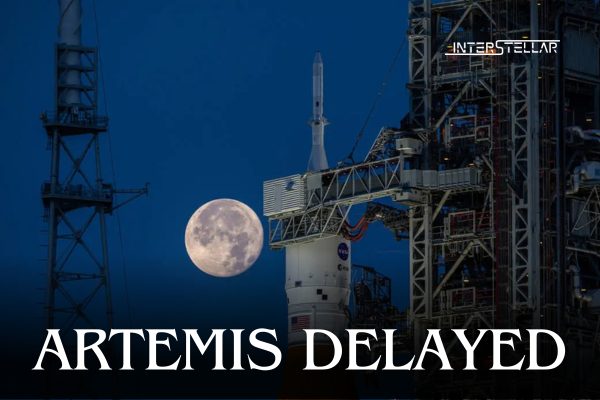
    NASA Announces Delays in Artemis Moon Mission Timeline

    NASA Administrator Bill Nelson announced new delays in the Artemis programme, postponing the return of astronauts to the Moon for the first time since 1972. Speaking at NASA headquarters, Nelson revealed updated timelines for the next two missions, citing technical reviews and policy uncertainties under the upcoming Trump administration.

    Revised Timelines for Artemis Missions

    The Artemis II mission, which will send astronauts around the Moon and back, is now scheduled for April 2026. Artemis III, the mission involving a lunar landing using SpaceX’s Starship, is targeted for mid-2027, assuming the lander is ready.
    NASA Artemis
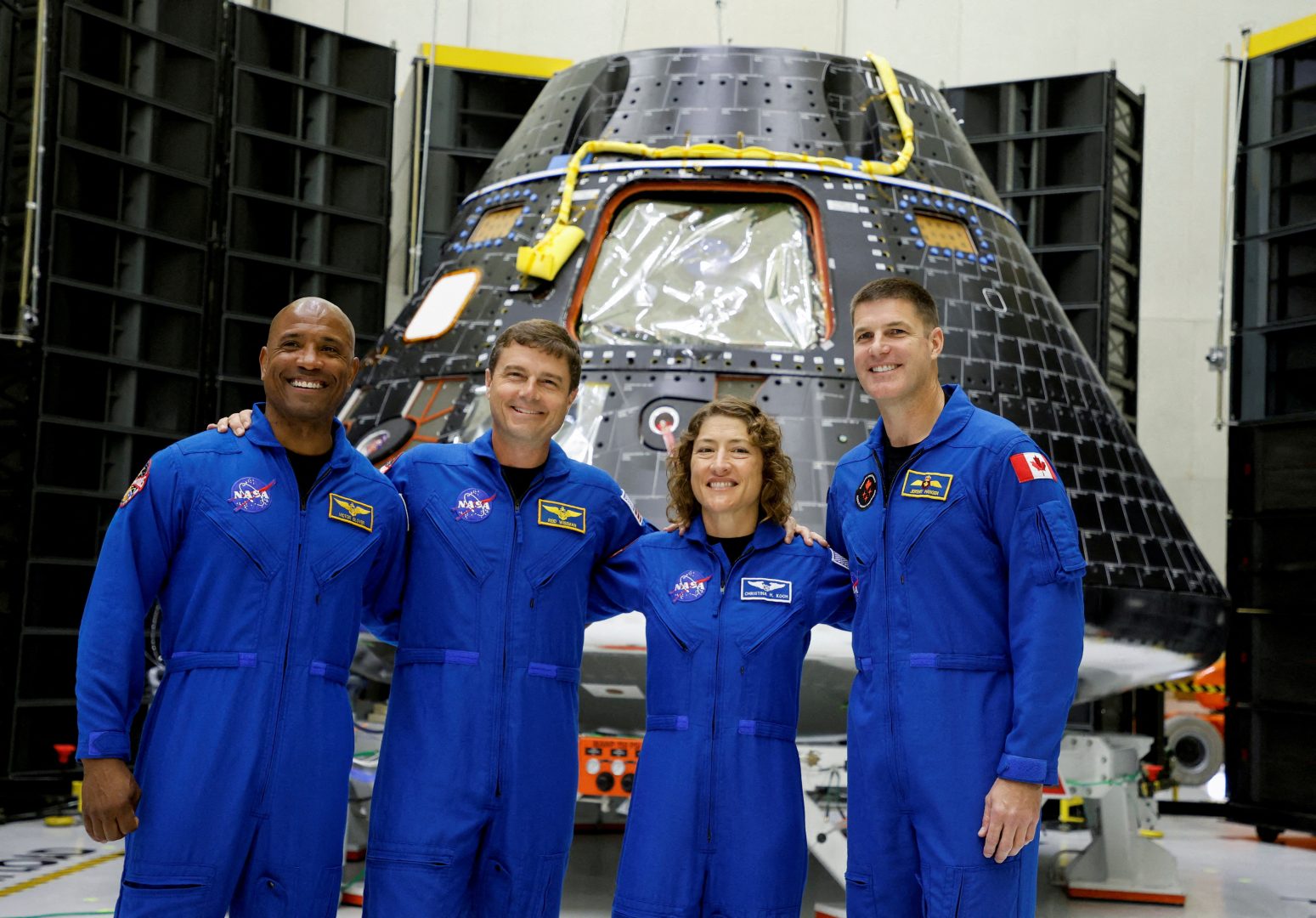
    FILE PHOTO: Astronauts for NASA’s Artemis II mission stand in front of their Orion crew capsule, expected to carry Victor Glover, pilot, Reid Wiseman, commander, and mission specialists Christina Hammock Koch and Jeremy Hansen, with the Canadian Space Agency, around the Moon and back to Earth, at the Kennedy Space Center in Cape Canaveral, Florida, U.S., August 8, 2023. REUTERS

    Nelson highlighted the urgency of maintaining pace, emphasising competition with China’s aim to land on the Moon by 2030.

    “That will be well ahead of the Chinese government’s announced intention to land on the lunar surface by 2030,” Nelson stated.

    Technical Challenges with Orion Capsule

    The delays stem in part from issues discovered during the uncrewed Artemis I mission in 2022. The Orion capsule, manufactured by Lockheed Martin, experienced cracking and erosion on its heat shield during re-entry. NASA officials decided to retain the current heat shield design for Artemis II but will adjust the capsule’s trajectory to mitigate similar issues.

    Future missions beyond Artemis II will feature upgraded heat shields. Deputy Administrator Pam Melroy explained that replacing the Artemis II heat shield would have delayed the mission by at least another year.

    Artemis Programme and its Future

    Established during Trump’s first administration, the Artemis programme aims to achieve a lasting presence on the Moon. Unlike the Apollo missions, Artemis plans to develop lunar bases, paving the way for future missions to Mars. Despite significant progress, the programme has faced cost overruns and delays. The Space Launch System (SLS), used to launch Artemis I, carries a $2 billion per-launch price tag.

    The Artemis III mission will involve transferring astronauts from the Orion capsule to SpaceX’s Starship for the lunar landing. This collaboration underscores NASA’s reliance on private companies to support its Moon goals.

    Political Shifts and Artemis’ Prioritisation

    With the incoming Trump administration, questions remain about the future of the Artemis programme. Trump has named Jared Isaacman, a SpaceX collaborator, as NASA’s new chief. Nelson expressed optimism, stating he expects the programme to continue under its current framework.

    The Artemis programme, estimated to cost $93 billion through 2025, remains a cornerstone of NASA’s mission to return to the Moon and establish a foundation for human exploration of Mars.

    With inputs from Reuters

    Author

    • Arushi Pandey
      Arushi Pandey
      View all posts
    Featured
    Share. Facebook Twitter Pinterest LinkedIn Tumblr Email Reddit Telegram WhatsApp
    Arushi Pandey

      Keep Reading

      Spain AI Regulation Targets Safer Social Media

      Nvidia China Chips In Focus During Trump Visit

      Hong Kong AI Strategy Targets Industrial Growth

      Trump China Summit Focuses On Trade And AI

      ECB Warns Banks Over AI Cyber Threats

      OpenAI Microsoft Revenue Cap Set at $38 Billion

      Add A Comment
      Leave A Reply Cancel Reply

      Anti Drone System (CUAS)
      Latest Posts

      Spain AI Regulation Targets Safer Social Media

      May 13, 2026

      Nvidia China Chips In Focus During Trump Visit

      May 13, 2026

      Hong Kong AI Strategy Targets Industrial Growth

      May 13, 2026

      Trump China Summit Focuses On Trade And AI

      May 13, 2026

      ECB Warns Banks Over AI Cyber Threats

      May 13, 2026

      OpenAI Microsoft Revenue Cap Set at $38 Billion

      May 13, 2026

      U.S. Senate To Debate Clarity Act Crypto Bill

      May 13, 2026

      Santa Clara County Sues Meta Over Scam Ads

      May 13, 2026

      Trump China Visit To Include Top US CEOs

      May 12, 2026

      China Prepares Tianzhou-10 Mission Launch

      May 12, 2026

      Subscribe to News

      Get the latest sports news from NewsSite about world, sports and politics.

      • Astronomical Events
      • Space Missions
      • Industry News
      • Science
      StratNewsGlobal Tech
      Facebook X (Twitter) Instagram LinkedIn YouTube
      © 2026 StratNews Global, A unit of BharatShakti Communications LLP
      • About Us
      • Contributors
      • Copyright
      • Contact
      • Write for Us

      Type above and press Enter to search. Press Esc to cancel.