


Rome’s Smart Bracelet Scheme Helps Elderly Residents Stay Safe During Heatwave
An innovative smart bracelet programme is helping elderly residents in Rome live more independently while providing vital health monitoring and emergency support, particularly during Europe’s ongoing heatwave.
Among those benefiting is 85-year-old Roman widow Dina Gazzella, who has lived alone since the death of her husband in 2023 and her cat a year later. Although she no longer has constant company at home, smart technology ensures she remains connected to a dedicated support network.
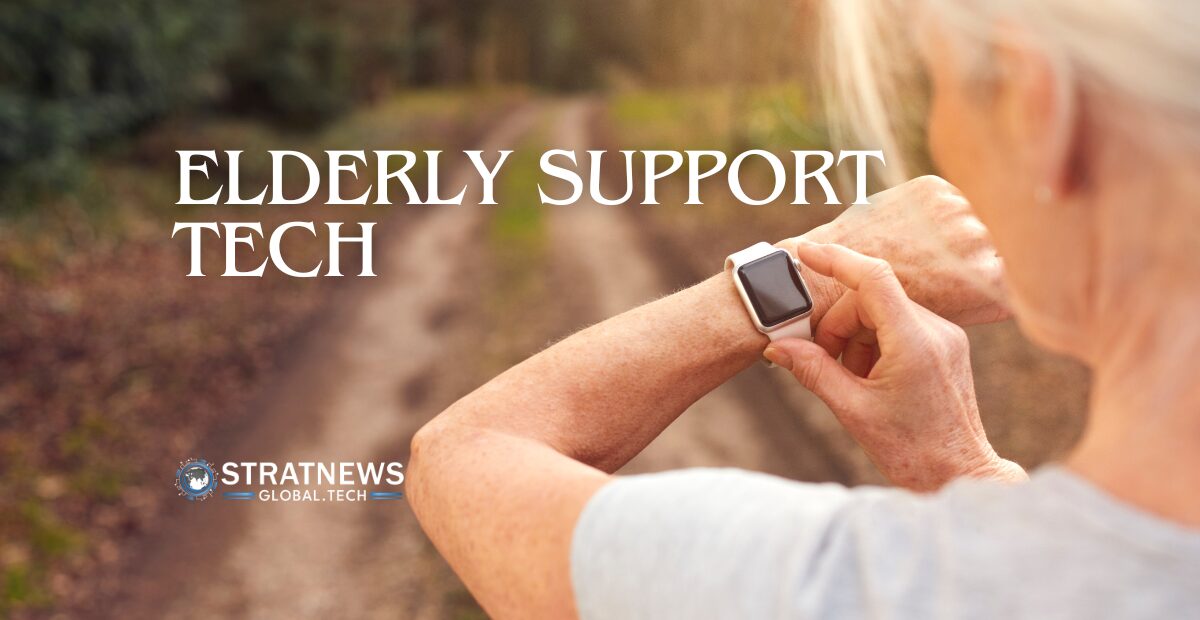
The electronic bracelet monitors her heart rate, sleep patterns and movement, while also allowing her to call for assistance in an emergency. A team of social workers remotely monitors the data to help identify potential health concerns and respond quickly when necessary.
Smart Technology Supports Independent Living
The bracelet forms part of a €400 million ($456 million) support programme introduced by Rome’s municipal authorities last year using European Union post-COVID recovery funding. The initiative currently supports around 700 elderly residents across the Italian capital.
Local officials consider the technology an important preventive healthcare tool, especially as high temperatures continue to affect much of Europe. Rome has experienced temperatures climbing into the upper 30s Celsius during the current heatwave, increasing health risks for older people.
Clinical psychologist Piera Pomente said the bracelet has become particularly valuable during the hot weather because elderly people often experience lower blood pressure and reduced heart rates, making them more vulnerable to heat-related health problems.
Continuous Monitoring and Emergency Assistance
Designed to resemble a wristwatch, the black plastic bracelet includes motion sensors capable of detecting accidental falls. It also continuously tracks users’ movements both inside and outside their homes, enabling rapid intervention if an emergency occurs.
Gazzella described the device as a source of reassurance and said it could prove lifesaving if she were to become unwell. Despite living alone, she continues to enjoy an active lifestyle, spending time with local community groups, preparing meals at home and keeping in touch with her family.
Pomente oversees the programme’s support desk at a local pharmacy, where she and her colleagues process new applications and monitor subscribers’ health information through a central computer system.
Balancing Safety and Privacy
Although the bracelet is provided free of charge, some elderly residents have expressed concerns about privacy. Pomente said that of the 70 people who initially enrolled through the pharmacy, around 45 continue to participate, although efforts are underway to encourage former users to return.
She stressed that the system does not use cameras or monitor activity inside people’s homes. Instead, it relies solely on health and movement data to identify potential emergencies.
The monitoring centre operates from Monday to Friday between 8.30 a.m. and 7 p.m. During evenings and weekends, any emergency notifications are automatically sent to relatives through a mobile application.
Over the past year, the system has already helped respond to two emergencies. In one case, a man fell in the street, while another slipped from his wheelchair at home. On both occasions, relatives were alerted promptly and were able to provide assistance.
With inputs from Reuters

