


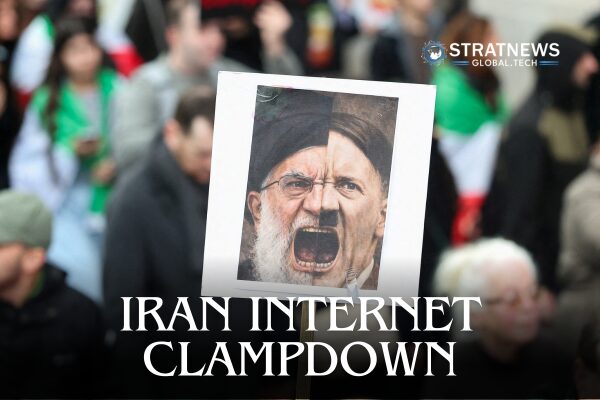
Iran Signals Possible End to Internet Blackout After Protests and State TV Hack
Iran may soon lift its nationwide internet blackout, a senior lawmaker said on Monday, as authorities move to stabilise the country following the deadliest unrest since the 1979 Islamic Revolution. The blackout, imposed during a violent crackdown on protests, has severely restricted communication and information flow for weeks.
Authorities Under Pressure Amid Heavy Casualties
Ebrahim Azizi, head of the Iranian parliament’s National Security and Foreign Policy Committee, said the decision to restore internet services would depend on security conditions. “Service will resume as soon as security conditions are appropriate,” he said. Another parliament member, hardliner Hamid Rasaei, criticised officials for ignoring earlier warnings from Supreme Leader Ali Khamenei about the dangers of “lax cyberspace” regulation.
The protests, which erupted in late December, were quelled after three days of intense violence. An Iranian official told Reuters that more than 5,000 people had died, including 500 security personnel, with much of the bloodshed occurring in Kurdish-populated areas in the northwest. Rights groups based outside Iran have also reported thousands of deaths.
The unrest has largely subsided in recent days, but arrests continue across several cities including Tehran, Kerman and Semnan. State television reported that some of those detained were accused of acting as agents of Israeli “terrorist groups.”
State Television Hack Exposes Cracks in Control
In a striking act of defiance, Iran’s state television was briefly hacked on Sunday night. The broadcast showed images of U.S. President Donald Trump and Reza Pahlavi, the exiled son of Iran’s last shah, alongside the on-screen headline “The real news of the Iranian national revolution.”
The segment, which lasted several minutes, featured messages from Pahlavi urging Iranians to rise up against clerical rule. Pahlavi has recently positioned himself as a leading opposition figure, though the extent of his support within Iran remains uncertain.
Connectivity Slowly Returning Under Tight Control
Internet monitoring group NetBlocks reported that national connectivity remains minimal, though a “filternet” with heavy restrictions appears to be in testing. This system allows only limited and government-filtered communication, suggesting authorities are preparing for a more tightly controlled version of online access.
Iran had cut off most internet and international phone services ahead of the protests, seeking to disrupt the flow of information as demonstrations spread. Limited connections have since been partially restored, enabling reports of widespread violence and injuries to surface.
Rights group HRANA said many protesters suffered severe injuries, including blindness and internal bleeding, from pellet gunfire aimed at the face and chest.
Regional Tensions and International Concerns
The scale of the crackdown has alarmed regional powers. Former U.S. President Donald Trump issued repeated warnings during the violence, though he later scaled back threats of military intervention. Gulf states, fearing wider instability, engaged in urgent diplomatic outreach to both Washington and Tehran.
Iran’s ambassador to Saudi Arabia, Alireza Enayati, warned that “igniting any conflict will have consequences for the entire region,” reflecting concerns over escalating tensions.
As the government weighs lifting the communications blackout, the move will serve as a test of whether Tehran feels confident that public dissent has been contained—or whether it is preparing to tighten its grip even further on cyberspace and free expression.
with inputs from Reuters