


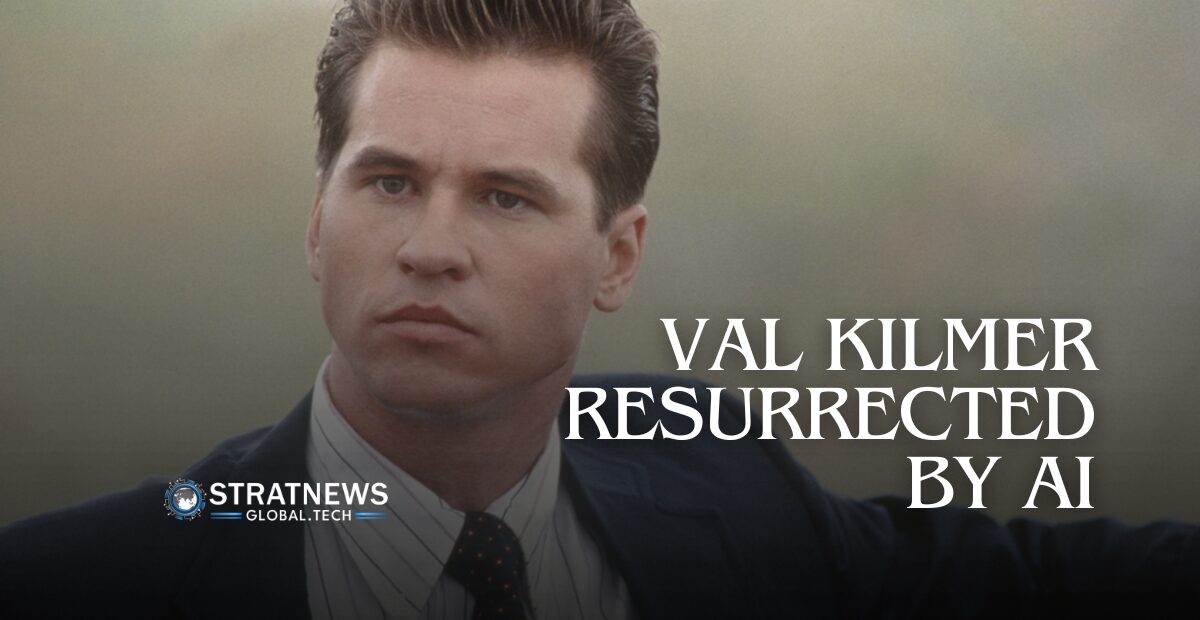
Filmmakers Defend AI Use of Val Kilmer in New Film
The creators of a new film featuring an AI-generated performance by late actor Val Kilmer have defended their approach, stating that it offers an ethical model for the future use of such technology in Hollywood.
Brothers Coerte and John Voorhees said they secured consent from Kilmer’s children before recreating his role in “As Deep as the Grave.” The film follows archaeologists exploring the history of the Navajo people in New Mexico. To build the performance, the filmmakers used archival footage, photographs, and voice recordings of the actor.
Coerte Voorhees, who wrote and directed the film, expressed confidence in the decision. Speaking at the CinemaCon convention in Las Vegas, he said audiences would ultimately be able to judge the work for themselves.
AI Recreation Built on Consent and Collaboration
Val Kilmer, widely known for his role in the “Top Gun” films, had originally agreed to appear in the project several years ago. However, declining health prevented him from participating in filming. He died a year ago at the age of 65 after battling throat cancer.
The AI-generated portrayal presents Kilmer as Father Fintan, a Catholic priest and Native American spiritualist. A recently released trailer features his likeness delivering the line, “Don’t fear the dead. And don’t fear me.”
The filmmakers emphasised that Kilmer’s estate not only approved the use of his likeness but also contributed creatively throughout the process. According to John Voorhees, the family collaborated closely, ensuring that the portrayal aligned with the actor’s legacy.
Mixed Reactions Highlight Industry Concerns
Despite the filmmakers’ assurances, the trailer has sparked strong reactions online. Some viewers criticised the use of AI, describing it as unsettling and inappropriate. Others questioned whether such recreations should be allowed at all, particularly when involving deceased actors.
Nevertheless, Coerte Voorhees maintained that audiences watching the full film would not be able to distinguish the AI-generated performance from a traditional one. He argued that the project demonstrates how technology can be used responsibly when guided by consent and clear ethical standards.
The filmmakers also noted that they adhered to guidelines established by the SAG-AFTRA actors union regarding artificial intelligence. These guidelines aim to protect performers from unauthorised use of their image and voice, an issue that has raised widespread concern across the industry.
As AI technology continues to evolve, the debate over its role in filmmaking remains unsettled. While some see it as a powerful creative tool, others remain cautious about its implications for authenticity and performer rights. The Voorhees brothers acknowledged this uncertainty but insisted their work represents a thoughtful and respectful application of the technology.
With inputs from Reuters

