


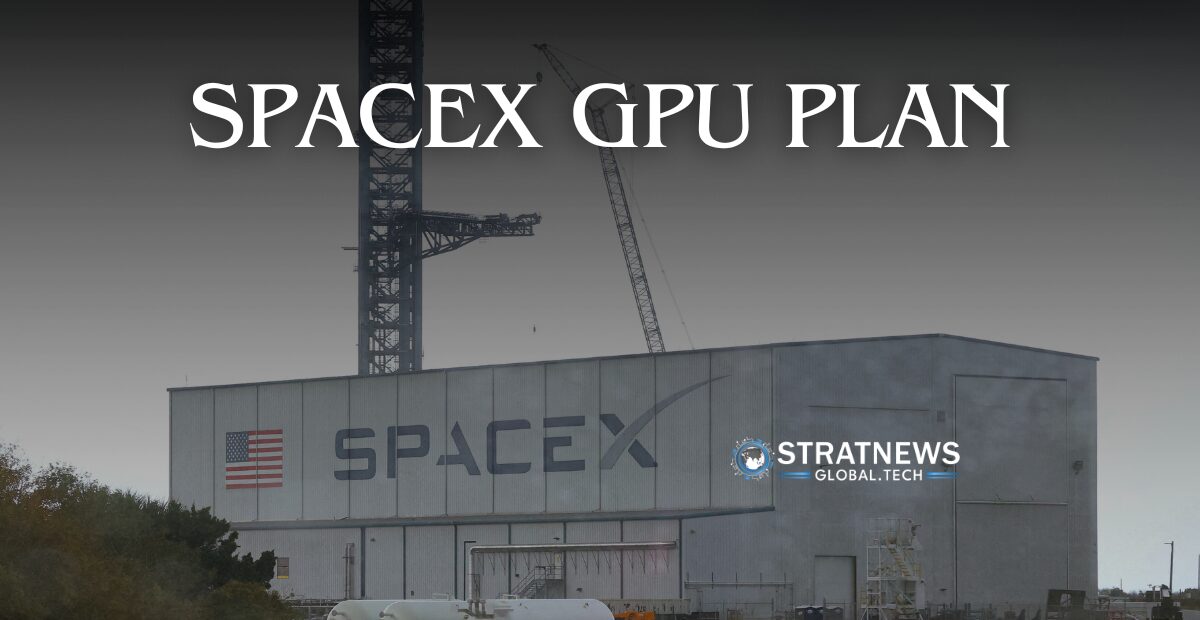
SpaceX Eyes GPU Manufacturing In Bold AI Expansion
SpaceX is preparing to confront one of the most complex challenges in the semiconductor industry by exploring the production of graphics processing units, widely used to power artificial intelligence systems. This ambition forms part of broader plans disclosed ahead of the company’s anticipated $1.75 trillion initial public offering expected later this year.
In filings submitted to regulators, SpaceX highlighted its intention to undertake substantial capital expenditure, including efforts to manufacture its own GPUs. These disclosures appeared in its S-1 registration document, which outlines financial risks and strategic priorities for prospective investors.
Although the company has not revealed the scale of investment required, the move signals a significant step towards reducing reliance on external chip suppliers while strengthening its position in the rapidly expanding AI market.
Terafab Project Anchors Chip Strategy
The proposed GPU initiative aligns with a larger collaborative effort involving SpaceX, its artificial intelligence unit, and Tesla. Together, they are working on Terafab, an advanced semiconductor manufacturing facility planned for Austin, Texas.
Elon Musk has indicated that Terafab will focus on producing chips for a range of applications, including autonomous vehicles, humanoid robots, and space-based data infrastructure. However, details regarding the exact chip designs remain limited.
The facility is expected to incorporate multiple stages of chip production within a single integrated operation. This approach contrasts with the current industry model, where fabrication, packaging, and testing are often handled by separate specialised companies.
Industry Approaches Highlight Competitive Landscape
The AI chip sector features varied technological strategies. Some companies prioritise general-purpose processors, while others design specialised chips tailored for specific computational tasks.
Graphics processing units, widely used for handling large-scale data operations, remain central to many AI systems. At the same time, alternative architectures have emerged that focus on optimising particular workloads, such as training machine learning models or running advanced applications.
SpaceX has not clarified whether its reference to GPUs strictly denotes traditional designs or serves as a broader term encompassing different types of AI processors. This ambiguity reflects the evolving nature of chip terminology within the industry.
Supply Chain Risks Drive Vertical Integration
SpaceX’s filings also highlighted concerns about securing sufficient chip supply to support future growth. The company acknowledged that it does not maintain long-term agreements with many of its current suppliers, raising potential risks to its expansion plans.
As a result, developing in-house manufacturing capabilities could offer greater control over production timelines and availability. Nevertheless, achieving this goal presents significant technical and financial hurdles.
Producing advanced chips requires highly specialised processes, including the use of sophisticated materials and extremely precise manufacturing techniques. These processes often involve thousands of steps and demand extensive expertise built over many years.
Execution Challenges Remain Significant
Despite its ambitions, SpaceX faces considerable uncertainty in executing its chip manufacturing strategy. The timeline for launching in-house production remains unclear, as does the role of potential partners in delivering the required fabrication technology.
The company has indicated that emerging manufacturing processes could play a role once they reach maturity. However, whether these technologies will align with SpaceX’s schedule remains uncertain.
Ultimately, the initiative underscores a broader shift towards vertical integration in the technology sector, as companies seek to secure critical components for artificial intelligence development while reducing dependence on external suppliers.
With inputs from Reuters

