


Xpeng Targets Flying Cars And Robots In Future Expansion
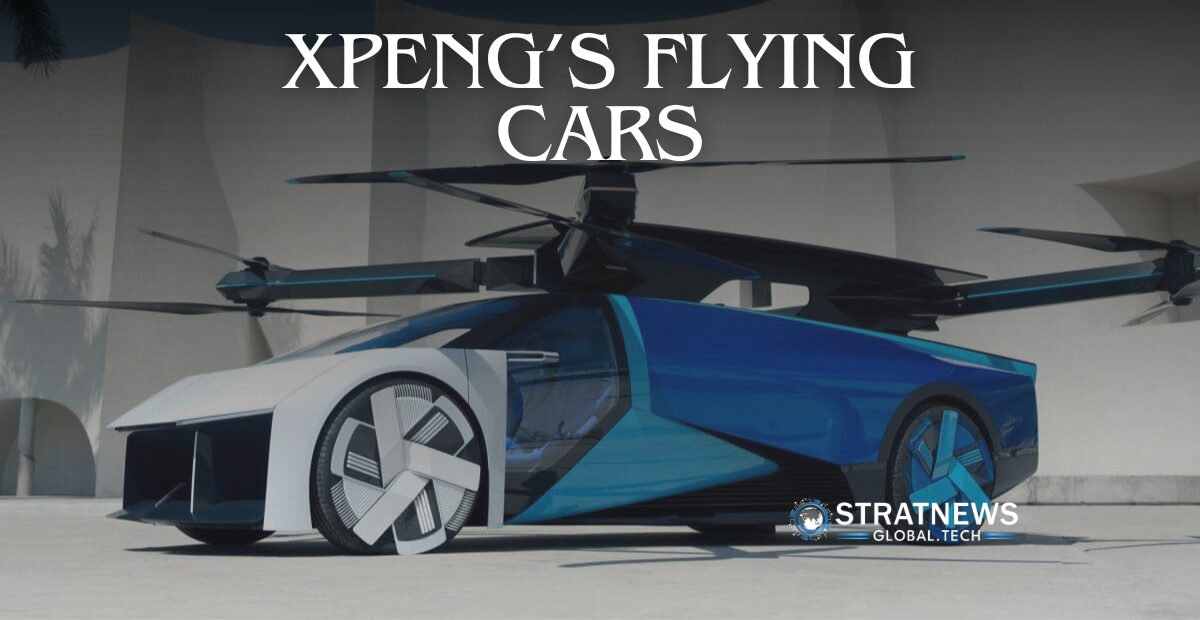
Chinese electric vehicle maker Xpeng has outlined ambitious plans to expand beyond traditional automotive manufacturing, with large-scale production of flying cars expected to begin next year. The company also aims to start mass production of humanoid robots in the fourth quarter of 2026, according to President Brian Gu.
These initiatives reflect Xpeng’s broader strategy to position itself at the forefront of next-generation mobility and automation technologies. The company has already secured more than 7,000 orders for its flying cars, with most demand originating in China as it works towards regulatory approval.
Partnerships And Global Strategy Take Centre Stage
Xpeng is also seeking to deepen collaboration with established global automakers. The company sees significant potential in its partnership with Volkswagen, which recently began mass production of its first jointly developed electric vehicle.
Gu emphasised that further cooperation could unlock additional value for both companies. At the same time, he noted that Xpeng remains open to forming partnerships with other manufacturers across different regions, underlining the importance of flexibility in a competitive global market.
This approach aligns with Xpeng’s expanding international presence. The company currently operates in around 60 countries outside China and aims to significantly increase its overseas contribution in the coming years.
Robotaxis And Autonomous Technology Development
In parallel with its flying car ambitions, Xpeng is advancing its autonomous driving capabilities. The company plans to begin robotaxi testing in Guangzhou later this year, marking a key step in its mobility strategy.
Over the next 12 to 18 months, Xpeng expects to produce hundreds to thousands of robotaxis. Furthermore, 2027 is anticipated to be a pivotal year, with global testing initiatives planned in collaboration with partners.
These developments highlight the company’s commitment to integrating autonomous technologies into its broader ecosystem of mobility solutions.
Humanoid Robots Seen As Long-Term Growth Driver
Xpeng is also investing heavily in humanoid robotics, viewing the segment as a major future revenue source. Initial applications will focus on customer-facing roles, such as reception and sales support, where robots can interact directly with users.
Over the longer term, the company expects a wide range of use cases for humanoid robots in everyday life. Gu indicated that within the next decade or two, the robotics business could surpass Xpeng’s automotive division in scale.
This outlook underscores the company’s belief in the transformative potential of robotics across industries.
Overseas Growth To Drive Revenue Expansion
International markets are set to play an increasingly important role in Xpeng’s growth trajectory. Currently, overseas operations account for about 10 percent of total sales volume and roughly 15 percent of revenue.
Looking ahead, the company expects more than half of its revenue to come from outside China within the next five to ten years. This shift reflects both rising global demand for electric vehicles and Xpeng’s strategic push to diversify its market base.
As competition intensifies, the company’s ability to scale internationally while advancing new technologies will be critical to sustaining long-term growth.
With inputs from Reuters

