


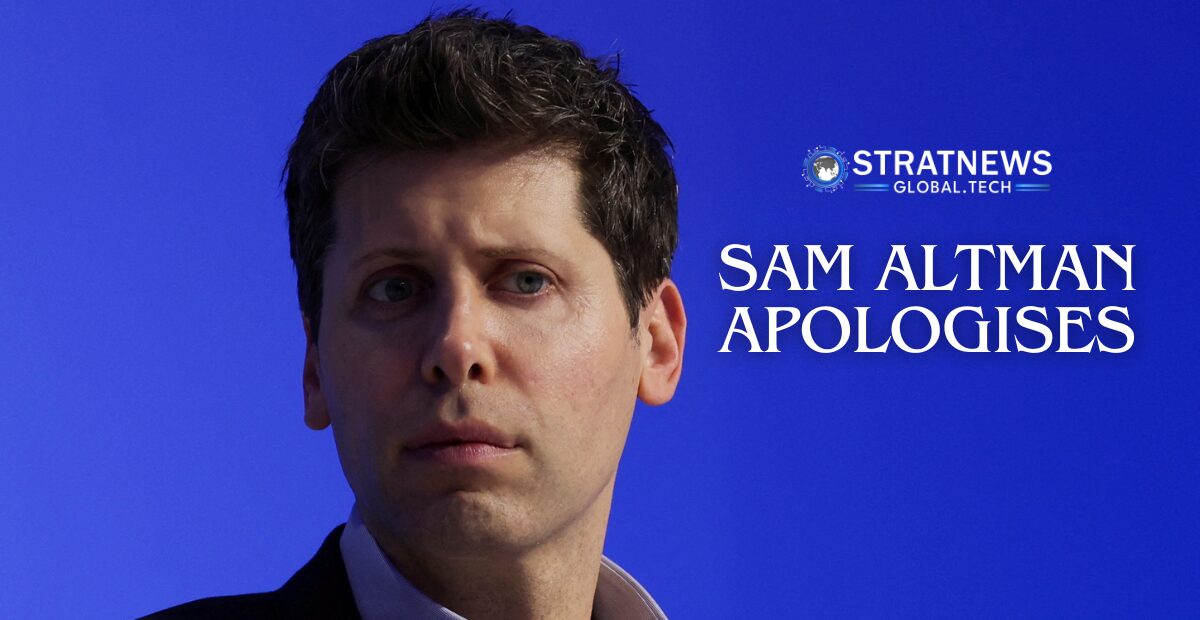
OpenAI Chief Apologises Over Failure To Alert Police
OpenAI Chief Executive Sam Altman has apologised to the Canadian community of Tumbler Ridge after the company failed to notify police about a banned account linked to Jesse Van Rootselaar. Authorities have stated that Van Rootselaar killed eight people at a school in February before taking her own life.
The apology came after growing concern about whether earlier intervention could have prevented the tragedy. Altman addressed the issue publicly, expressing regret over the company’s handling of the situation and acknowledging the seriousness of the oversight.
Political Response Highlights Anger And Grief
British Columbia Premier David Eby responded to the apology on social media, stating that it was necessary but far from adequate given the scale of the devastation. He emphasised the lasting impact on the families affected in Tumbler Ridge and suggested that stronger accountability measures are required.
Moreover, Eby’s remarks reflected broader frustration within the community, where grief continues to shape public discourse. While the apology marked an acknowledgment of responsibility, many believe it does little to address the deeper consequences of the failure.
Letter Reveals Direct Communication With Officials
In a letter dated April 23, Altman said he was deeply sorry that law enforcement had not been alerted to the account in question. He confirmed that he had spoken directly with Tumbler Ridge Mayor Darryl Krakowka as well as Premier Eby.
Furthermore, Altman described the pain experienced by the community as unimaginable. His comments aimed to convey empathy while also recognising the gravity of the situation. However, questions remain about how such cases are evaluated internally and why this incident did not meet the threshold for escalation.
Internal Policy Under Scrutiny
OpenAI had previously confirmed that Van Rootselaar’s account was banned in June last year due to policy violations. However, the company stated that the activity did not meet its internal criteria for reporting to law enforcement.
This explanation has since drawn scrutiny, particularly regarding how risk is assessed and when external authorities should be informed. As a result, the incident has intensified calls for clearer standards and improved coordination between technology companies and law enforcement agencies.
The case continues to raise concerns about the balance between user privacy, platform governance, and public safety. Consequently, the discussion has shifted towards whether existing safeguards are sufficient in preventing similar tragedies in the future.
With inputs from Reuters