


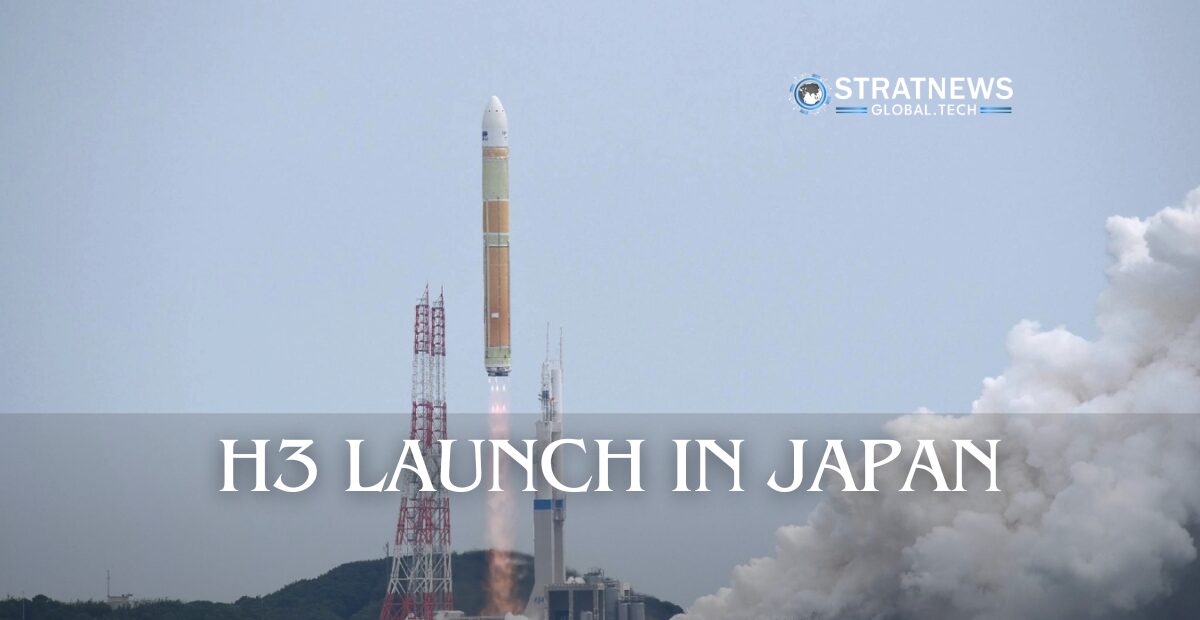
Japan H3 Rocket Launch
Japan’s mainstay H3 rocket No. 6 lifted off from the Tanegashima Space Center in Kagoshima Prefecture at approximately 9:53 a.m. on Friday. The launch proceeded as planned, marking another mission for the country’s flagship rocket programme.
Shortly after liftoff, the rocket continued its flight sequence and successfully entered its planned orbit. As a result, the mission achieved its primary objective and was recorded as a successful launch.
Successful Entry Into Planned Orbit
The successful insertion into the planned orbit represented the key milestone for the mission. After departing from the launch site, the rocket followed its intended trajectory and completed the required orbital operation.
Consequently, the launch delivered a positive outcome for the H3 programme. The successful result also followed the completion of the mission’s critical flight stages, culminating in orbital insertion.
First H3 Launch In Six Months
This mission marked the first launch of an H3 rocket in six months. The latest flight came after the failure of No. 8 in December last year.
Therefore, the successful performance of No. 6 represented an important moment for the launch programme. The mission returned the H3 rocket to flight status following the gap between launches.
Moreover, the launch demonstrated the continuation of operations involving Japan’s mainstay rocket. The successful mission followed a period during which no H3 launches took place.
Payload Of Six Microsatellites
The H3 rocket No. 6 carried six microsatellites as part of its payload. These satellites were developed by universities and companies.
During the mission, the rocket transported the six microsatellites into space as planned. The payload reflected collaboration involving both academic institutions and private-sector organisations.
Furthermore, the launch combined the successful deployment mission with the transportation of multiple small satellites. The six microsatellites formed the cargo carried aboard the rocket during the flight.
With the rocket reaching its planned orbit successfully, the mission concluded with the achievement of its stated objective while carrying the six microsatellites developed by universities and companies.
With inputs from Reuters