

Close Menu
Stratnews GlobalStratnews Global
    Facebook X (Twitter) Instagram
    Trending
    • China Builds Space Spy Grid Fast
    • China Manufacturing Remains Strong Despite Trump Tariffs
    • Cognitive Surrender Study Reveals AI Trust Risks
    • Iran Threatens Stargate Data Centre Escalates Tensions
    • China AI Lobster Craze Signals Tech Shift
    • Teen AI Friends Trend Sparks Social Concerns
    • AI Film Industry Redefines Bollywood Production Models
    • Planet Labs Satellite Ban Limits Middle East Imagery
    • Support Us
    Stratnews GlobalStratnews Global
    Write for Us
    Monday, April 6
    • Space
    • Science
    • AI and Robotics
    • Industry News
    • Support Us
    Stratnews GlobalStratnews Global
    Home » Haliskia Pterosaur Fossils Unearthed in Australia: A Glimpse into the Past

    Haliskia Pterosaur Fossils Unearthed in Australia: A Glimpse into the Past

    StratNewsGlobal Tech TeamBy StratNewsGlobal Tech TeamJune 17, 2024Updated:October 14, 2024 Economy & Culture No Comments3 Mins Read
    Haliskia Pterosaur

    Discovery of the Haliskia Pterosaur in Australia

    Ancient Skies Over the Eromanga Sea

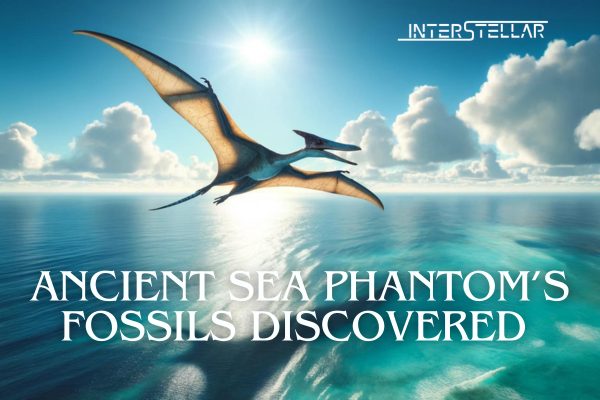
    Long ago, a fearsome pterosaur soared above the shallow Eromanga Sea, which once covered what is now inland Australia. This formidable flying reptile, known for its bony crest on both jaws and spike-shaped teeth, was perfectly adapted to snare fish and other marine prey.
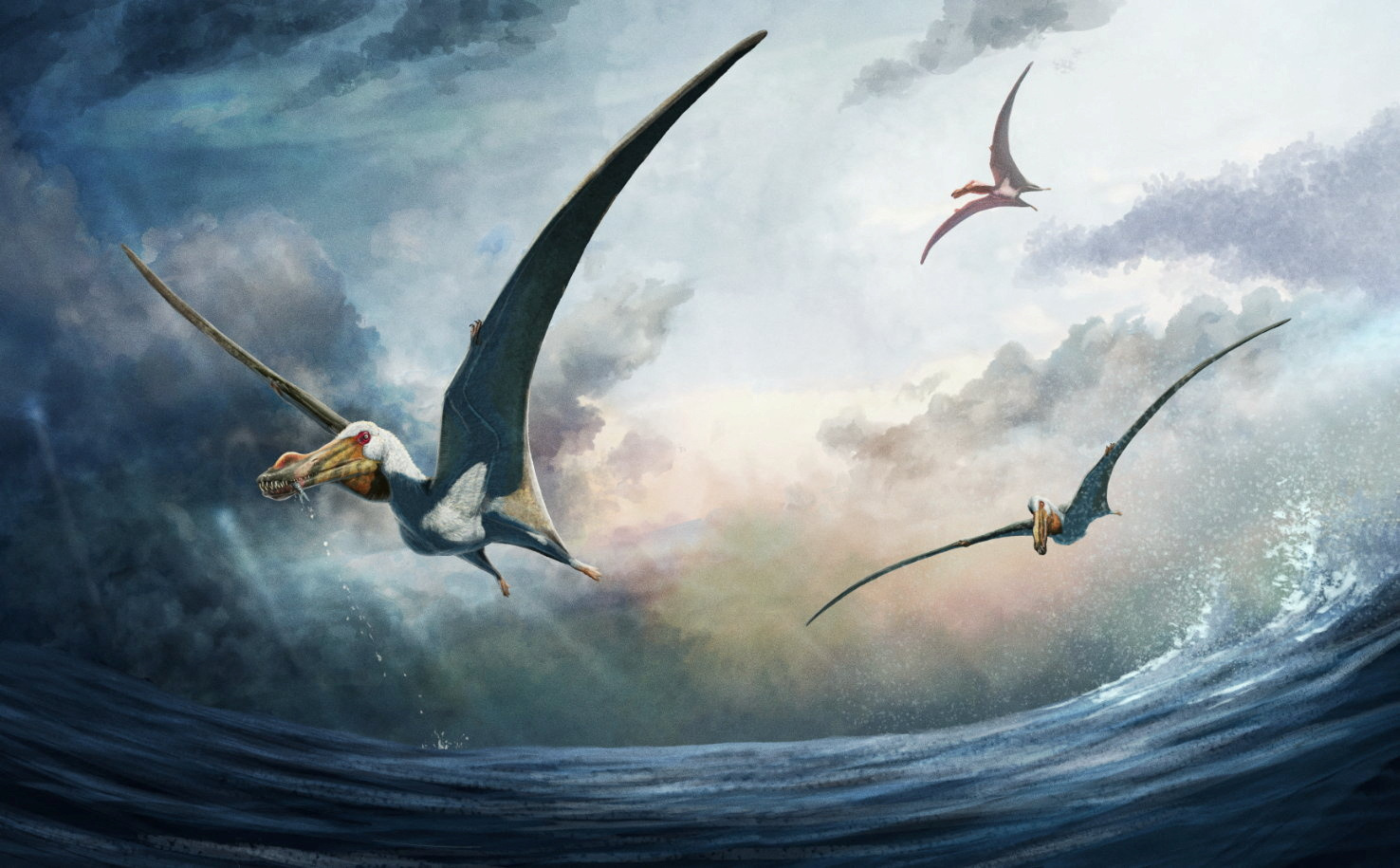
    Haliskia peterseni
    A life reconstruction of the newly identified Cretaceous Period pterosaur Haliskia peterseni, which lived in Australia about 100 million years ago, is seen in this handout illustration. Curtin University/Gabriel Ugueto/Handout via REUTERS

    Unearthing the Haliskia Fossils

    Scientists recently announced the discovery of this creature’s fossils in Queensland, Australia. Named Haliskia peterseni, it lived alongside dinosaurs and marine reptiles during the Cretaceous Period. The remains are the most complete of any pterosaur found in Australia. With a wingspan of 15 feet (4.6 meters), Haliskia lived around 100 million years ago, making it slightly larger and older than its close relative, Ferrodraco, discovered in 2019.

    Significance of the Discovery

    Haliskia, meaning “sea phantom,” was a striking sight in its time. The Eromanga Sea, a vast inland sea, has vanished, but its memory lives on through these fossils. Adele Pentland, a doctoral student in paleontology at Curtin University, led the study published in Scientific Reports. She highlighted the importance of this discovery, noting that 22% of Haliskia’s skeleton was unearthed. This included complete lower jaws, parts of the upper jaw, throat bones, teeth, vertebrae, ribs, wing bones, and part of a leg.

    Unique Features and Ecological Role

    One fascinating aspect of Haliskia is its muscular tongue, inferred from the length of its throat bones. In other pterosaurs, throat bones are 30-60% the length of the lower jaw, but in Haliskia, they are 70%. This feature might have given Haliskia an edge in trapping live prey like fish and cephalopods.

    Pentland expressed astonishment at the preservation of Haliskia’s delicate throat bones, which are as thin as spaghetti. This specimen is more complete than Ferrodraco, providing invaluable insights into the anhanguerian pterosaur group. Haliskia’s discovery also honours Kevin Petersen, who found its remains in 2021.

    Evolution and Extinction of Pterosaurs

    Pterosaurs were the first vertebrates to achieve powered flight, appearing around 230 million years ago. Birds followed 150 million years ago, and bats 50 million years ago. Pterosaurs, including Haliskia, were wiped out in the same mass extinction event that ended the reign of the dinosaurs 66 million years ago.

    Pentland noted that pterosaurs occupied various ecological niches. They ranged from insect-eaters to fish hunters and scavengers. The smallest had wingspans of 25 cm (10 inches), while the largest rivalled small fighter jets.

    Conclusion

    The discovery of Haliskia Pterosaur enhances our understanding of Australia’s Mesozoic Era, revealing the rich diversity of life during the age of dinosaurs. This significant find challenges the long-held belief that Australia had few fossils from this period.

    Author

    • StratNewsGlobal Tech Team
      StratNewsGlobal Tech Team

      View all posts
    Featured
    Share. Facebook Twitter Pinterest LinkedIn Tumblr Email Reddit Telegram WhatsApp
    StratNewsGlobal Tech Team
    • Website

    Keep Reading

    China Builds Space Spy Grid Fast

    China Manufacturing Remains Strong Despite Trump Tariffs

    Cognitive Surrender Study Reveals AI Trust Risks

    Iran Threatens Stargate Data Centre Escalates Tensions

    China AI Lobster Craze Signals Tech Shift

    Teen AI Friends Trend Sparks Social Concerns

    Add A Comment
    Leave A Reply Cancel Reply

    Anti Drone System (CUAS)
    Latest Posts

    China Builds Space Spy Grid Fast

    April 6, 2026

    China Manufacturing Remains Strong Despite Trump Tariffs

    April 6, 2026

    Cognitive Surrender Study Reveals AI Trust Risks

    April 6, 2026

    Iran Threatens Stargate Data Centre Escalates Tensions

    April 6, 2026

    China AI Lobster Craze Signals Tech Shift

    April 6, 2026

    Teen AI Friends Trend Sparks Social Concerns

    April 6, 2026

    AI Film Industry Redefines Bollywood Production Models

    April 6, 2026

    Planet Labs Satellite Ban Limits Middle East Imagery

    April 6, 2026

    IPhone Space Mission Marks Artemis II Milestone

    April 6, 2026

    Anthropic’s Claude Code Leak: April Fool’s Story or Opportunity?

    April 3, 2026

    Subscribe to News

    Get the latest sports news from NewsSite about world, sports and politics.

    • Astronomical Events
    • Space Missions
    • Industry News
    • Science
    StratNewsGlobal Tech
    Facebook X (Twitter) Instagram LinkedIn YouTube
    © 2026 StratNews Global, A unit of BharatShakti Communications LLP
    • About Us
    • Contributors
    • Copyright
    • Contact
    • Write for Us

    Type above and press Enter to search. Press Esc to cancel.