

Close Menu
Stratnews GlobalStratnews Global
    Facebook X (Twitter) Instagram
    Trending
    • Commercial Space Strategy Faces Concentration Risks
    • AI in Space Technology could Transform Satellite Operations
    • Semiconductor Training Expands Through India’s C2S Initiative
    • Digital Divide Narrows Through India’s Digital Transformation
    • X launches grok-racist-posts-investigation after offensive chatbot responses surface
    • G Spider AI robot canal cleaning in Thiruvananthapuram boosts sanitation safety
    • Data Is The New Oil: Iran’s Strikes on Amazon, Microsoft Centres Redefine Warfare
    • Pentagon blocks Anthropic AI military use after Anthropic supply chain risk designation
    • Support Us
    Stratnews GlobalStratnews Global
    Write for Us
    Monday, March 9
    • Space
    • Science
    • AI and Robotics
    • Industry News
    • Support Us
    Stratnews GlobalStratnews Global
    Home » China’s Damaged Shenzhou-20 to Return Uncrewed

    China’s Damaged Shenzhou-20 to Return Uncrewed

    ReshamBy ReshamDecember 2, 2025 Space No Comments2 Mins Read
    Damaged Shenzhou-20

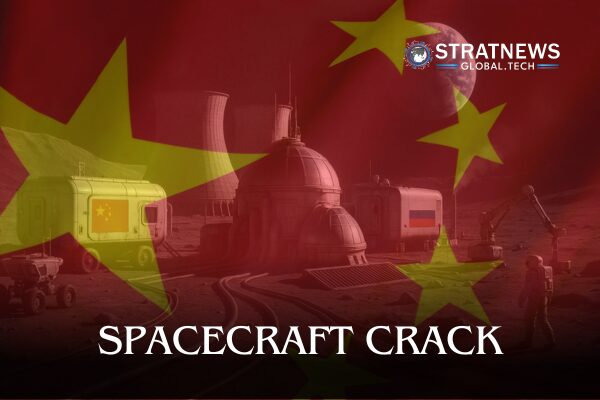
    China’s Damaged Shenzhou-20 Spacecraft to Return Uncrewed for Inspection

    China’s first crewed spacecraft ever declared unfit for flight mid-mission will return to Earth without astronauts so experts can assess the damage it sustained, state broadcaster CCTV reported on Monday.

    The Shenzhou-20 spacecraft was originally scheduled to bring its crew back to Earth on 5 November after a six-month stay aboard the Tiangong space station. However, the mission was abruptly delayed when astronauts discovered a crack in one of the return capsule’s windows just before departure — a first in the history of China’s human spaceflight programme.

    Emergency Measures and Crew Return

    After the incident, the Shenzhou-20 crew was forced to return home nine days later aboard a separate spacecraft. This left Tiangong temporarily without a flightworthy return vehicle, a risky situation in case of an emergency.

    To address the gap, China launched its first emergency spacecraft mission on 25 November, just 20 days after announcing the delay. The quick turnaround demonstrated the country’s growing capacity to respond rapidly to spaceflight contingencies, even as officials worked to determine the cause and extent of the damage.

    Assessing the Damage

    CCTV reported that Shenzhou-20, which remains docked at Tiangong, will soon begin its uncrewed return journey to Earth. Ji Qiming, spokesperson for the China Manned Space Agency, said the decision would allow engineers to “obtain the most authentic experimental data” during re-entry.

    Jia Shijin, one of the spacecraft’s designers, explained that the damage was caused by a small fragment of space debris, estimated to be less than one millimetre in size but travelling at extremely high speed. “The resulting crack extends over a centimetre,” he told CCTV. “We cannot directly inspect it in orbit, so we will study it closely once Shenzhou-20 returns.”

    Avoiding a Potential Disaster

    Jia added that engineers delayed the return mission out of caution, fearing that the crack might worsen during re-entry. In a worst-case scenario, he said, the crack could have caused cabin depressurisation, allowing high-speed gases to flood the capsule and endanger the astronauts’ lives.

    The investigation into the incident will provide vital data for China’s future crewed missions and highlight the growing risks posed by space debris in low Earth orbit.

    with inputs from Reuters

    Author

    • Resham
      Resham

      Research Associate at Interstellar.| China Scholar | China Social Media & Foreign Affairs|

      View all posts
    Featured
    Share. Facebook Twitter Pinterest LinkedIn Tumblr Email Reddit Telegram WhatsApp
    Resham
    • X (Twitter)

    Research Associate at Interstellar.| China Scholar | China Social Media & Foreign Affairs|

    Keep Reading

    Commercial Space Strategy Faces Concentration Risks

    AI in Space Technology could Transform Satellite Operations

    Semiconductor Training Expands Through India’s C2S Initiative

    Digital Divide Narrows Through India’s Digital Transformation

    X launches grok-racist-posts-investigation after offensive chatbot responses surface

    G Spider AI robot canal cleaning in Thiruvananthapuram boosts sanitation safety

    Add A Comment
    Leave A Reply Cancel Reply

    Anti Drone System (CUAS)
    Latest Posts

    Commercial Space Strategy Faces Concentration Risks

    March 9, 2026

    AI in Space Technology could Transform Satellite Operations

    March 9, 2026

    Semiconductor Training Expands Through India’s C2S Initiative

    March 9, 2026

    Digital Divide Narrows Through India’s Digital Transformation

    March 9, 2026

    X launches grok-racist-posts-investigation after offensive chatbot responses surface

    March 9, 2026

    G Spider AI robot canal cleaning in Thiruvananthapuram boosts sanitation safety

    March 6, 2026

    Data Is The New Oil: Iran’s Strikes on Amazon, Microsoft Centres Redefine Warfare

    March 6, 2026

    Pentagon blocks Anthropic AI military use after Anthropic supply chain risk designation

    March 6, 2026

    Sierra Space valuation rises as Sierra Space Series C funding reaches $8 billion

    March 6, 2026

    India Digital Public Infrastructure model sets global benchmark for population scale systems

    March 6, 2026

    Subscribe to News

    Get the latest sports news from NewsSite about world, sports and politics.

    • Astronomical Events
    • Space Missions
    • Industry News
    • Science
    StratNewsGlobal Tech
    Facebook X (Twitter) Instagram LinkedIn YouTube
    © 2026 StratNews Global, A unit of BharatShakti Communications LLP
    • About Us
    • Contributors
    • Copyright
    • Contact
    • Write for Us

    Type above and press Enter to search. Press Esc to cancel.