


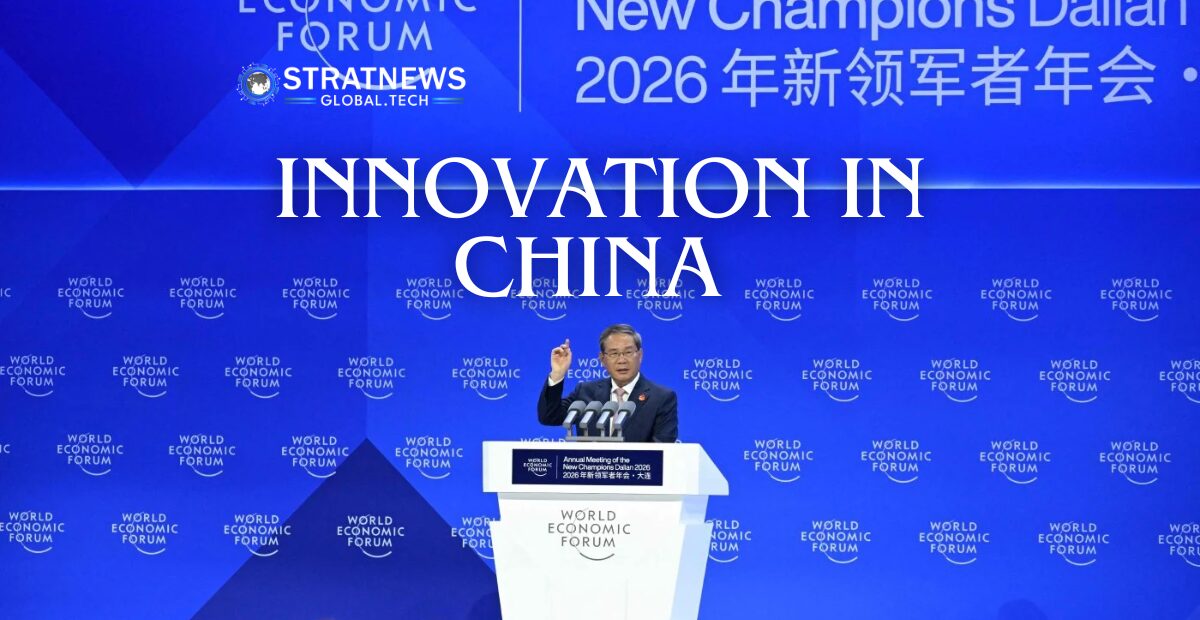
China Technology Innovation Defended By Premier Li Qiang
China’s Premier Li Qiang on Wednesday defended the country’s rapid progress in frontier technologies, including artificial intelligence and electric vehicles, while rejecting claims that state subsidies are the primary driver of its competitiveness. Speaking at a World Economic Forum summit in Dalian, Li argued that China’s technological achievements stem from sustained investment by its companies rather than government financial support.
His remarks come as China faces growing scrutiny from Western governments over the role of state backing in the development of advanced industries. Nevertheless, Li maintained that Chinese firms have achieved success through their commitment to innovation, research and development.
Li Rejects Subsidy Claims
During his address, Li pushed back against accusations that Chinese products gain an unfair advantage through government assistance. He stated that the competitiveness of Chinese companies is largely the result of substantial investment by businesses themselves.
In a rare light-hearted moment, Li remarked that the Chinese government was not wealthy enough to be responsible for the success attributed to state subsidies. Instead, he emphasised the efforts of Chinese enterprises and their willingness to invest heavily in technological advancement.
Furthermore, Li highlighted the resilience of Chinese firms operating under external restrictions. He singled out Huawei, noting that the company had endured foreign limitations for an extended period while continuing to pursue innovation and development.
Growing Trade Tensions With The West
Meanwhile, analysts warn that Beijing could soon face increased pressure from Europe as concerns over Chinese industrial policies continue to grow. Brussels has increasingly echoed concerns previously raised by Washington regarding alleged state support for Chinese companies.
These concerns extend beyond trade issues and include fears that Chinese firms could establish dominant positions in critical sectors. Artificial intelligence, big data and advanced manufacturing remain among the technologies attracting the greatest attention from Western policymakers.
As a result, trade tensions between China and Western economies could intensify further in the coming months. The debate over competition, market access and technological leadership continues to shape relations between the world’s major economic powers.
Focus On Frontier Technologies
Li also used the forum to showcase China’s progress in several strategic technology sectors. He pointed to advances in multi-use rockets, quantum technology and semiconductor development as examples of the country’s innovation capabilities.
In addition, he highlighted the pace at which Chinese researchers are using AI-related resources in their efforts to achieve new breakthroughs. These developments underline China’s ambition to remain a leading force in emerging technologies.
Earlier this month, the United States expanded the Pentagon’s blacklist of alleged Chinese military companies to 188 entities. The move reflected concerns that China’s military could benefit from technological advances developed within the private sector.
Despite these challenges, Li said China would continue to engage in international discussions on the governance of artificial intelligence and other frontier technologies. He added that the country would participate with a responsible and constructive approach as governments and experts seek to address the implications of these technologies in both civilian and military settings.
With inputs from Reuters