

Close Menu
Stratnews GlobalStratnews Global
    Facebook X (Twitter) Instagram
    Trending
    • SpaceX IPO Could Top $1 Trillion as Investors Rush In
    • Time Names AI Architects as 2025 Person of the Year
    • NAACP Issues Framework to Prevent Bias in Healthcare AI
    • Cambridge Study Finds Fake Accounts Can Be Created for Just Cents
    • Caribbean Nations Unite to Harness Geothermal Energy Potential
    • U.S. Pushes to End Reliance on Chinese Lidar Technology
    • Trump Moves to Block Broadband Funds Over State AI Regulations
    Stratnews GlobalStratnews Global
    Write for Us
    Sunday, December 14
    • Space
    • Science
    • AI and Robotics
    • Industry News
    Stratnews GlobalStratnews Global
    Home » India’s E-Waste Battle Faces Opposition from Global Brands

    India’s E-Waste Battle Faces Opposition from Global Brands

    Aishwarya ParikhBy Aishwarya ParikhApril 11, 2025 World No Comments2 Mins Read
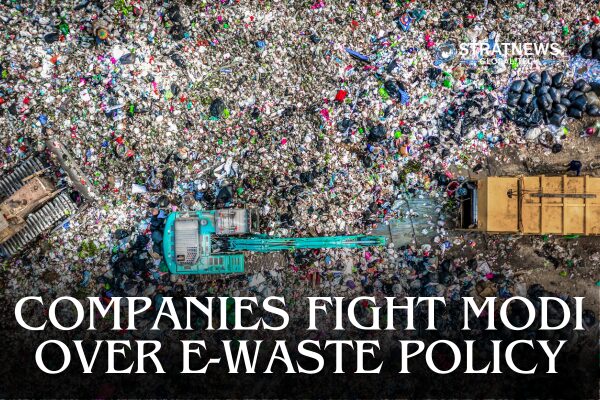
    India's E-waste

    India’s E-Waste Reform Faces Resistance from Global Electronics Giants

    India is pushing to address its growing electronic waste crisis, but leading global electronics manufacturers are pushing back. Companies including Daikin, Hitachi, and Samsung are challenging new recycling rules introduced by the Indian government, claiming that India’s E-waste policies sharply increase compliance costs and threaten their business models.

    New Recycling Rules Spark Legal and Industry Opposition

    In September, the Indian government introduced a minimum price that electronics companies must pay to authorised recyclers for processing waste. The aim is to formalise the largely unregulated e-waste sector, improve environmental safety, and encourage investment in recycling infrastructure.

    However, electronics giants argue the new rates—22 rupees per kilogram for appliances and 34 rupees for smartphones—have nearly tripled their recycling costs. Four companies, including Daikin, Voltas, Havells, and Johnson Controls-Hitachi, have filed legal petitions in New Delhi to overturn the rules. They argue that the policy oversteps the government’s legal authority and could lead to increased prices for consumers.

    The Indian Consumer Electronics and Appliances Manufacturers Association, which includes Samsung and LG, has also written to officials asking for the pricing policy to be reconsidered.

    Government Stands Firm on E-Waste Strategy

    India is the world’s third-largest generator of e-waste, with over 1.7 million metric tonnes produced in 2023–24. But only 43% of that was recycled, according to official data. The informal recycling sector dominates the landscape, using harmful methods such as open burning and acid leaching.

    The Environment Ministry has defended its actions, stating that the fixed pricing helps prevent a “race to the bottom” and ensures recyclers can operate safely and sustainably. Officials argue that letting manufacturers set their own prices would not support proper waste management.

    Nitin Gupta, CEO of leading recycler Attero, supports the pricing policy. He notes that the current payment is necessary to develop scientific recycling capacity and protect the environment.

    Striking a Balance Between Regulation and Industry Needs

    The electronics industry fears that the higher recycling rates—now up to 8% of production costs—could impact profitability. Johnson Controls-Hitachi, for example, revealed that it now pays almost four times more to recycle air conditioners than it did previously.

    While India’s initiative is designed to promote sustainability and public health, the ongoing legal and commercial standoff highlights the difficulty of reforming an industry where informal practices remain deeply entrenched.

    with inputs from Reuters

    Author

    • Aishwarya Parikh
      Aishwarya Parikh

      View all posts
    Featured
    Share. Facebook Twitter Pinterest LinkedIn Tumblr Email Reddit Telegram WhatsApp
    Aishwarya Parikh

      Keep Reading

      SpaceX IPO Could Top $1 Trillion as Investors Rush In

      Time Names AI Architects as 2025 Person of the Year

      NAACP Issues Framework to Prevent Bias in Healthcare AI

      Cambridge Study Finds Fake Accounts Can Be Created for Just Cents

      Caribbean Nations Unite to Harness Geothermal Energy Potential

      U.S. Pushes to End Reliance on Chinese Lidar Technology

      Add A Comment
      Leave A Reply Cancel Reply

      Anti Drone System (CUAS)
      Latest Posts

      SpaceX IPO Could Top $1 Trillion as Investors Rush In

      December 12, 2025

      Time Names AI Architects as 2025 Person of the Year

      December 12, 2025

      NAACP Issues Framework to Prevent Bias in Healthcare AI

      December 12, 2025

      Cambridge Study Finds Fake Accounts Can Be Created for Just Cents

      December 12, 2025

      Caribbean Nations Unite to Harness Geothermal Energy Potential

      December 12, 2025

      U.S. Pushes to End Reliance on Chinese Lidar Technology

      December 12, 2025

      Trump Moves to Block Broadband Funds Over State AI Regulations

      December 12, 2025

      December 11, 2025

      Financial Inclusion Revisited: Counting Lives Changed

      December 11, 2025

      DAE Reports Record Nuclear Power Generation and Scientific Milestones in 2025

      December 11, 2025

      Subscribe to News

      Get the latest sports news from NewsSite about world, sports and politics.

      • Astronomical Events
      • Space Missions
      • Industry News
      • Science
      StratNewsGlobal Tech
      Facebook X (Twitter) Instagram LinkedIn YouTube
      © 2025 StratNews Global, A unit of BharatShakti Communications LLP
      • About Us
      • Contributors
      • Copyright
      • Contact
      • Write for Us

      Type above and press Enter to search. Press Esc to cancel.