


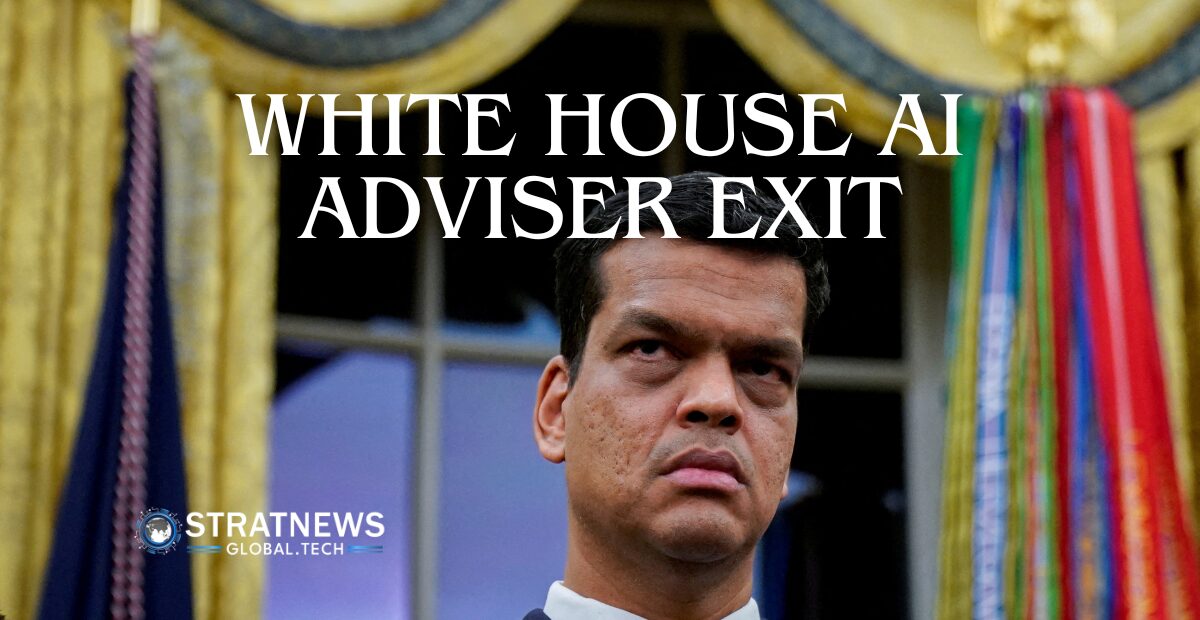
White House AI Adviser Sriram Krishnan To Depart At End Of June
A key architect of the White House’s artificial intelligence strategy, Sriram Krishnan, has announced that he will leave his position at the end of June, marking a significant leadership change in the administration’s approach to emerging technologies.
Krishnan revealed his decision in a post on social media platform X, describing his time in government as “the privilege of a lifetime.” While he did not provide a specific reason for stepping down, he indicated that he plans to continue working on major challenges facing the United States in the field of artificial intelligence.
Key Role In AI Policy Development
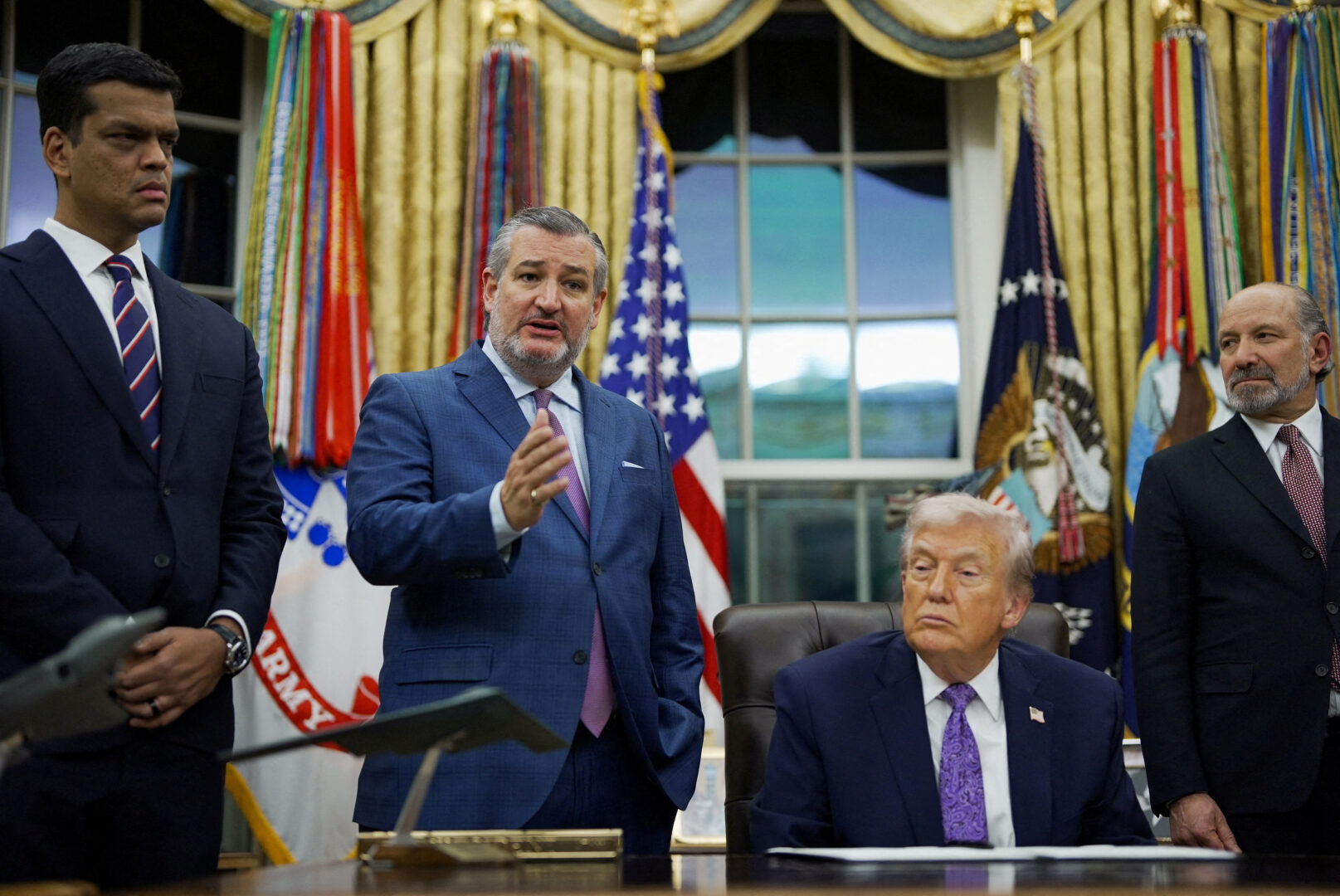
During his tenure, Krishnan played a central role in shaping the administration’s efforts to establish a national framework for regulating advanced AI technologies.
His work came at a time when governments worldwide are grappling with questions surrounding AI safety, innovation, national security and economic competitiveness. As AI capabilities continue to advance rapidly, policymakers have faced increasing pressure to develop rules that encourage innovation while addressing potential risks.
Krishnan’s departure removes a prominent figure from ongoing discussions about how the United States should oversee frontier AI development.
Trump Administration Expands AI Ambitions
The announcement comes as President Donald Trump explores a more active government role in the artificial intelligence sector.
Speaking to reporters aboard Air Force One, Trump recently suggested that the federal government could consider acquiring stakes in AI companies, describing the concept as a potential partnership between technology firms and the American public.
The president also indicated that he plans to meet leading AI executives in the near future as the administration continues to develop its technology agenda.
National Security Concerns Shape Debate
Despite the administration’s support for AI innovation, national security concerns have complicated its relationship with some technology companies.
One notable example involved tensions with Anthropic, which reportedly resisted requests to allow its AI models to be used for domestic surveillance and fully autonomous weapons systems.
The dispute contributed to a prolonged standoff between government officials and the company. However, following discussions between the White House and Anthropic’s leadership, relations appear to have improved.
The episode highlights the broader debate over the role of advanced AI systems in defence, surveillance and public safety applications.
New Cybersecurity Testing Initiative
The administration has also increased oversight efforts related to advanced AI models.
Under a recent executive order, federal agencies have been directed to request that leading AI developers voluntarily submit their most capable models for government cybersecurity testing before public release.
Supporters argue that such evaluations could help identify vulnerabilities and security risks before powerful AI systems become widely available. Meanwhile, critics continue to debate the balance between oversight and innovation.
Energy And Infrastructure Challenges
Beyond regulation and security, the rapid growth of AI has created new infrastructure challenges.
Proposals to build large data centres needed to power AI systems have generated opposition in some communities due to concerns about energy consumption, land use and environmental impact.
In his February State of the Union address, Trump said he encouraged major technology companies to develop their own power-generation capacity. Subsequently, several technology leaders agreed to pursue additional electricity generation and efficiency initiatives to support future AI growth.
As AI becomes increasingly important to economic and national strategy, Krishnan’s departure comes at a pivotal moment for the administration’s technology agenda.
With inputs from Reuters

