


Ford-CATL Partnership Advances Michigan Battery Plant
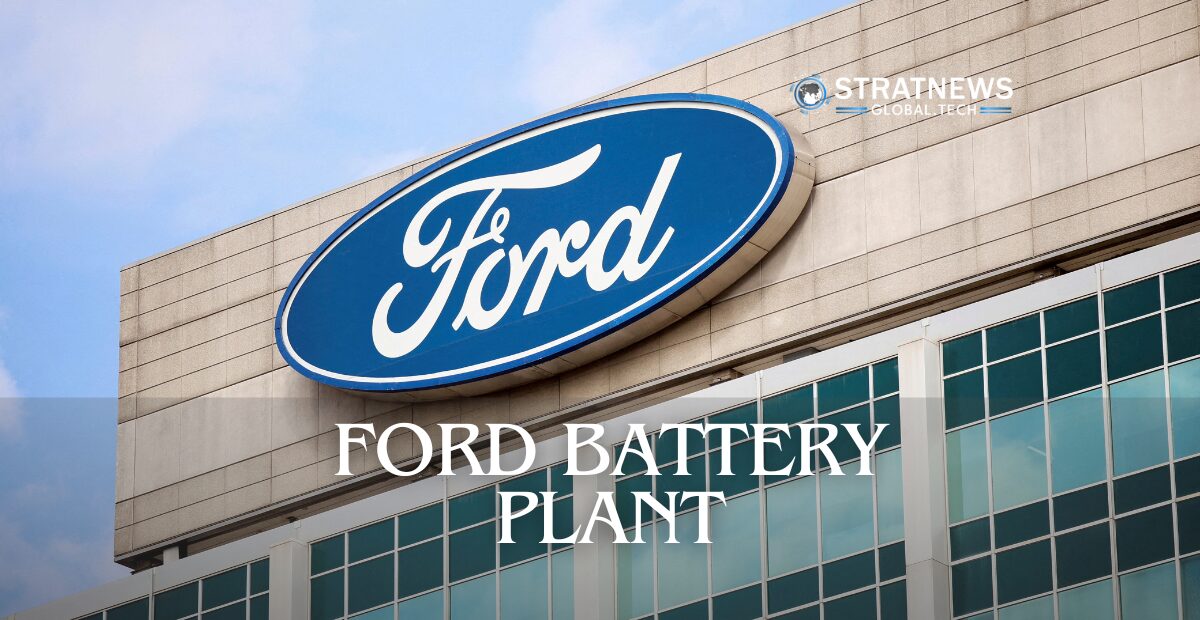
Ford is strengthening its collaboration with Chinese battery manufacturer CATL as construction progresses on a $3 billion battery production facility in Marshall, Michigan. The project marks a significant step in the automaker’s efforts to expand electric vehicle production while lowering manufacturing costs through advanced battery technology.
The facility, which Ford is building under a licensing agreement with CATL, will use lithium iron phosphate battery technology. Once fully operational, the plant will manufacture batteries for Ford’s next generation of electric vehicles. In addition, it will produce larger-scale battery systems designed for stationary energy storage applications.
Battery Plant Expected To Boost Local Economy
The Marshall facility is expected to create more than 1,000 jobs, generating optimism among local business owners and residents. As construction activity increases, many businesses have already reported higher customer traffic and stronger commercial activity.
Local business owners say the growing workforce has brought more people into the town. Consequently, restaurants, shops and other local establishments have benefited from increased spending. Many expect the positive economic impact to continue as the project moves closer to completion and begins full-scale operations.
Furthermore, community leaders view the development as an opportunity to revitalise the local economy. Increased employment prospects could help attract new residents and support long-term business growth across the region.
Ford Targets More Affordable Electric Vehicles
Ford is also working to develop an electric midsize pickup truck with a starting price of approximately $30,000. To achieve that goal, the company is redesigning and simplifying its manufacturing processes to improve efficiency and reduce production costs.
The batteries produced under the CATL licensing agreement are expected to play an important role in this strategy. Battery packs remain one of the most expensive components in electric vehicles. Therefore, lower-cost battery technology could help Ford make electric vehicles more affordable for a broader range of consumers.
Moreover, the company believes that streamlining assembly operations alongside battery innovation will strengthen its competitiveness in the rapidly evolving electric vehicle market.
Industry Transformation Drives Global Partnerships
Industry observers note that the transition to electrification is prompting unprecedented levels of investment throughout the automotive sector. Automakers are committing substantial resources to new technologies while seeking strategic partnerships to manage costs and reduce development risks.
Experts argue that the scale of technological change currently underway is unlike anything the industry has experienced in more than a century. As a result, manufacturers increasingly rely on partnerships to access specialised expertise and accelerate innovation.
At the same time, cooperation between companies from different countries continues to play a significant role in advancing electric vehicle technology and energy storage solutions.
Community Optimism Grows Ahead Of Completion
Residents in Marshall have welcomed the project’s potential to generate employment and encourage broader industrial development. Many see the investment as a catalyst for long-term economic growth and renewed opportunities for local workers.
Community members also point to previous declines in population and employment opportunities. Consequently, the arrival of a major manufacturing project has generated strong support among those hoping to see sustained economic expansion.
As the Marshall facility nears completion, its performance could become an important example of industrial cooperation that supports domestic manufacturing, creates jobs and expands access to affordable electric vehicles and clean energy storage solutions.
With inputs from Reuters