


Jeff Bezos Says AI Will Create Labour Shortages Rather Than Replace Workers
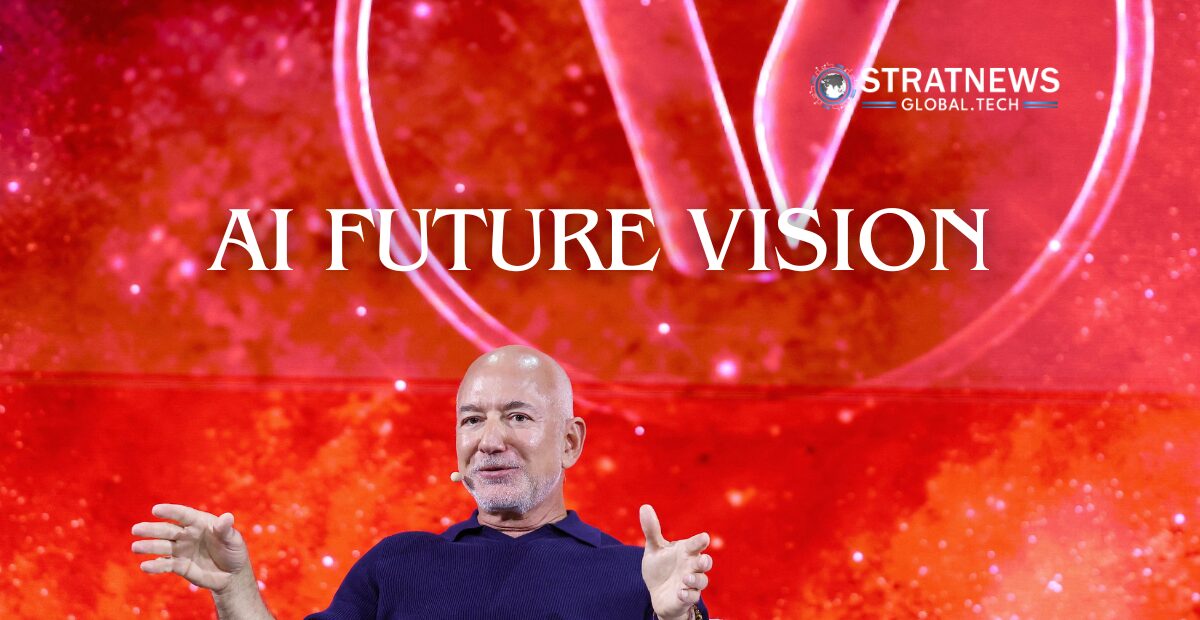
Artificial intelligence will create labour shortages rather than make people redundant, according to Jeff Bezos, who presented an optimistic view of the technology’s future during an appearance at the VivaTech conference in Paris.
Speaking about artificial intelligence, space exploration and advanced manufacturing, Bezos argued that concerns about AI replacing human workers are overstated. Instead, he suggested that the technology will expand opportunities by removing barriers that currently limit productivity and innovation.
His comments come at a time when public anxiety about AI’s impact on employment remains high. A recent Reuters/Ipsos poll found that half of Americans worry that artificial intelligence could threaten jobs within their households. However, Bezos maintained that the technology will ultimately increase demand for human effort rather than reduce it.
Bezos Rejects Fears Of Human Redundancy
Addressing concerns about widespread job displacement, Bezos said he disagrees with the view that artificial intelligence will make people unnecessary in the workforce.
According to him, humans have an endless number of ambitions, projects and challenges to pursue. As a result, he believes technological advances will help people accomplish more rather than eliminate the need for workers.
Bezos argued that current limitations stem from obstacles that restrict what individuals and organisations can achieve. Consequently, he sees AI as a tool that will lower those barriers and unlock new opportunities across industries.
The entrepreneur’s comments contrast with warnings from some experts who have suggested that automation could significantly disrupt employment in the coming years.
AI And Manufacturing Innovation
During the conference, Bezos also discussed his latest venture, Prometheus, an artificial intelligence startup focused on accelerating physical manufacturing processes.
The company aims to use AI to improve efficiency and speed within industrial production. While details about the venture remain limited, the project reflects growing interest in applying artificial intelligence beyond software and digital services.
Furthermore, Bezos suggested that advances in AI could help address workforce constraints by enabling people to focus on higher-value activities while technology handles repetitive or time-consuming tasks.
Space Exploration Remains A Long-Term Vision
Bezos also spoke about his space company, Blue Origin, and its broader ambitions for the future of humanity beyond Earth.
He argued that one of the long-term goals of space exploration should be relocating polluting industries away from the planet. In his view, reliable and affordable access to space could eventually allow manufacturing and resource extraction to occur beyond Earth.
Bezos said that obtaining materials from asteroids, the Moon and other nearby celestial bodies could help reduce environmental pressures on Earth. He suggested that such developments could contribute to restoring the planet’s natural environment over time.
Competition In The New Space Economy
Joining Bezos on stage was Blue Origin Chief Executive David Limp, who provided an update on the company’s recovery efforts following the May explosion involving a New Glenn rocket during testing in Florida.
Limp said reconstruction work at the launch facility has begun, marking another step towards returning the company’s launch programme to operation.
Meanwhile, competition within the private space sector continues to intensify. Industry leaders are promoting ambitious visions that include permanent settlements beyond Earth, expanded commercial activity in space and the development of new technologies capable of supporting long-term exploration.
Against that backdrop, Bezos presented artificial intelligence and space exploration as complementary technologies that could drive future economic growth, improve productivity and create new opportunities for humanity.
With inputs from Reuters