

Close Menu
Stratnews GlobalStratnews Global
    Facebook X (Twitter) Instagram
    Trending
    • Emirati Robot Bu Sunaidah Sparks Online Debate
    • Jeff Bezos Predicts AI Labour Shortages
    • Blue Origin Rebuilds After New Glenn Explosion
    • Maurice Lévy Calls For European AI Fund
    • U.S. Delays DeepSeek Blacklist Decision
    • Telegram Court Challenge Over India Exam Block
    • Europe AI Sovereignty Dominates G7 And VivaTech
    • Social Media Algorithms Face Challenge in Italy
    • Support Us
    Stratnews GlobalStratnews Global
    Write for Us
    Wednesday, June 17
    • Space
    • Science
    • AI and Robotics
    • Industry News
    • Support Us
    Stratnews GlobalStratnews Global
    Home » Chinese startup Space Pioneer successfully launches its first commercial liquid-fueled carrier rocket, Tianlong-2

    Chinese startup Space Pioneer successfully launches its first commercial liquid-fueled carrier rocket, Tianlong-2

    StratNewsGlobal Tech TeamBy StratNewsGlobal Tech TeamApril 3, 2023 Economy & Culture No Comments1 Min Read

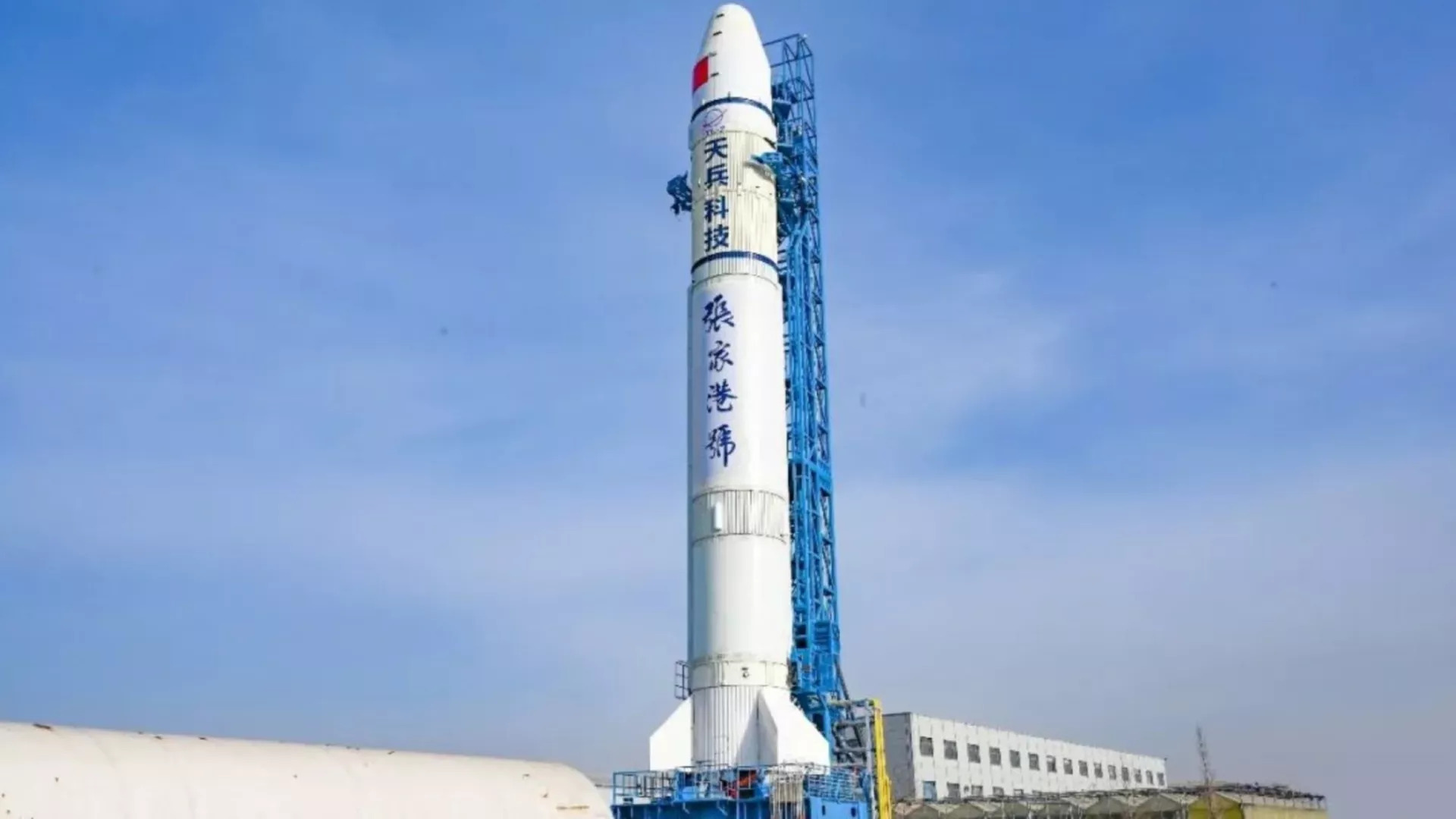
    Until now, Chinese space launch startups have been regularly demonstrating launch vehicles, failures or otherwise, with solid-fueled rocket engines with a heritage in the Long March and Dong Feng series. This changed when the Chinese space startup, Beijing Tianbing Technology, also known as Space Pioneer, successfully launched its first commercial liquid-fueled carrier rocket, Tianlong-2 Y1, from the Jiuquan Satellite Launch Center in northwestern China on Sunday.

    On 2nd April 2023, at 4:48 p.m. BJT, the 35-metre-long rocket, with a take-off mass of 150 tonnes, blasted off into the sky, carrying a satellite into a pre-set orbit. The primary objective of the flight was to verify the overall plan of the rocket and systematic coordination, as well as to obtain the flight environment parameters of the launch vehicle. The satellite on board will be used for technology verification of remote sensing experiments.

    The three-stage medium-lift launch vehicle is propelled by kerosene and liquid oxygen, also known as kerolox. It could cater to China’s demand for low-cost, high-reliability, quick-response, and large-scale launches of small satellites and constellations.

    Author

    • StratNewsGlobal Tech Team
      StratNewsGlobal Tech Team
      View all posts
    Featured
    Share. Facebook Twitter Pinterest LinkedIn Tumblr Email Reddit Telegram WhatsApp
    StratNewsGlobal Tech Team
    • Website

    Keep Reading

    Emirati Robot Bu Sunaidah Sparks Online Debate

    Jeff Bezos Predicts AI Labour Shortages

    Blue Origin Rebuilds After New Glenn Explosion

    Maurice Lévy Calls For European AI Fund

    U.S. Delays DeepSeek Blacklist Decision

    Telegram Court Challenge Over India Exam Block

    Add A Comment
    Leave A Reply Cancel Reply

    Anti Drone System (CUAS)
    Latest Posts

    Emirati Robot Bu Sunaidah Sparks Online Debate

    June 17, 2026

    Jeff Bezos Predicts AI Labour Shortages

    June 17, 2026

    Blue Origin Rebuilds After New Glenn Explosion

    June 17, 2026

    Maurice Lévy Calls For European AI Fund

    June 17, 2026

    U.S. Delays DeepSeek Blacklist Decision

    June 17, 2026

    Telegram Court Challenge Over India Exam Block

    June 17, 2026

    Europe AI Sovereignty Dominates G7 And VivaTech

    June 17, 2026

    Social Media Algorithms Face Challenge in Italy

    June 17, 2026

    ‘India Prioritises AI Adoption Over Innovation’

    June 16, 2026

    France AI Sovereignty Drive Replaces Palantir

    June 16, 2026

    Subscribe to News

    Get the latest sports news from NewsSite about world, sports and politics.

    • Astronomical Events
    • Space Missions
    • Industry News
    • Science
    StratNewsGlobal Tech
    Facebook X (Twitter) Instagram LinkedIn YouTube
    © 2026 StratNews Global, A unit of BharatShakti Communications LLP
    • About Us
    • Contributors
    • Copyright
    • Contact
    • Write for Us

    Type above and press Enter to search. Press Esc to cancel.