


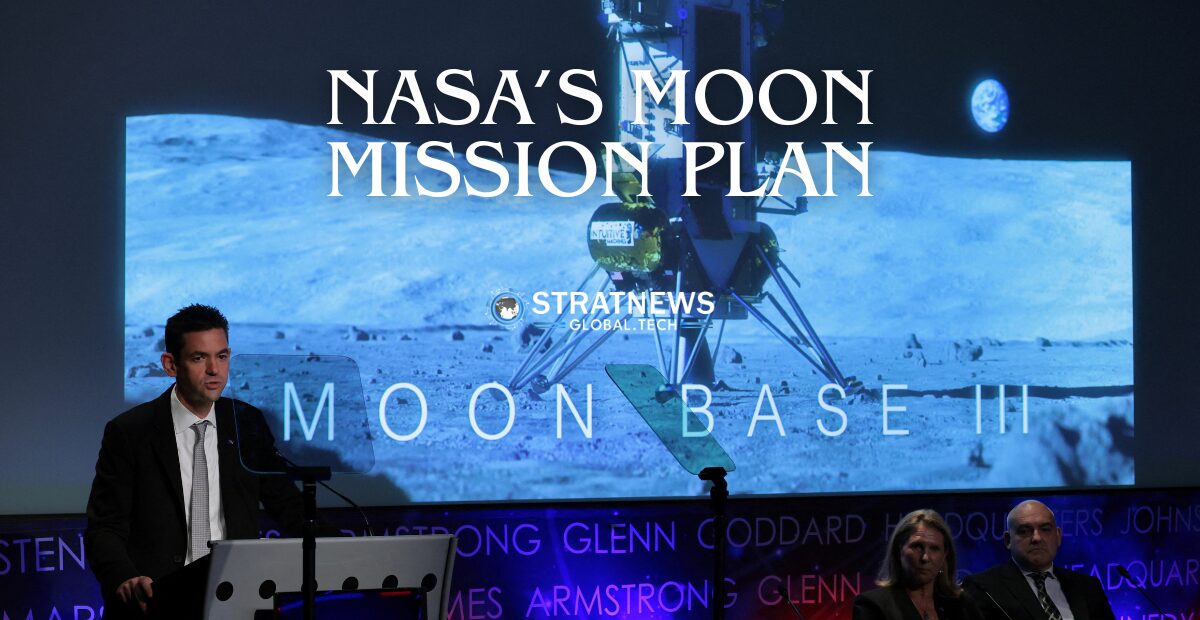
NASA Unveils Privately Funded Lunar Mission Strategy
NASA has announced a new series of privately funded lunar missions aimed at establishing a long-term human presence on the moon.
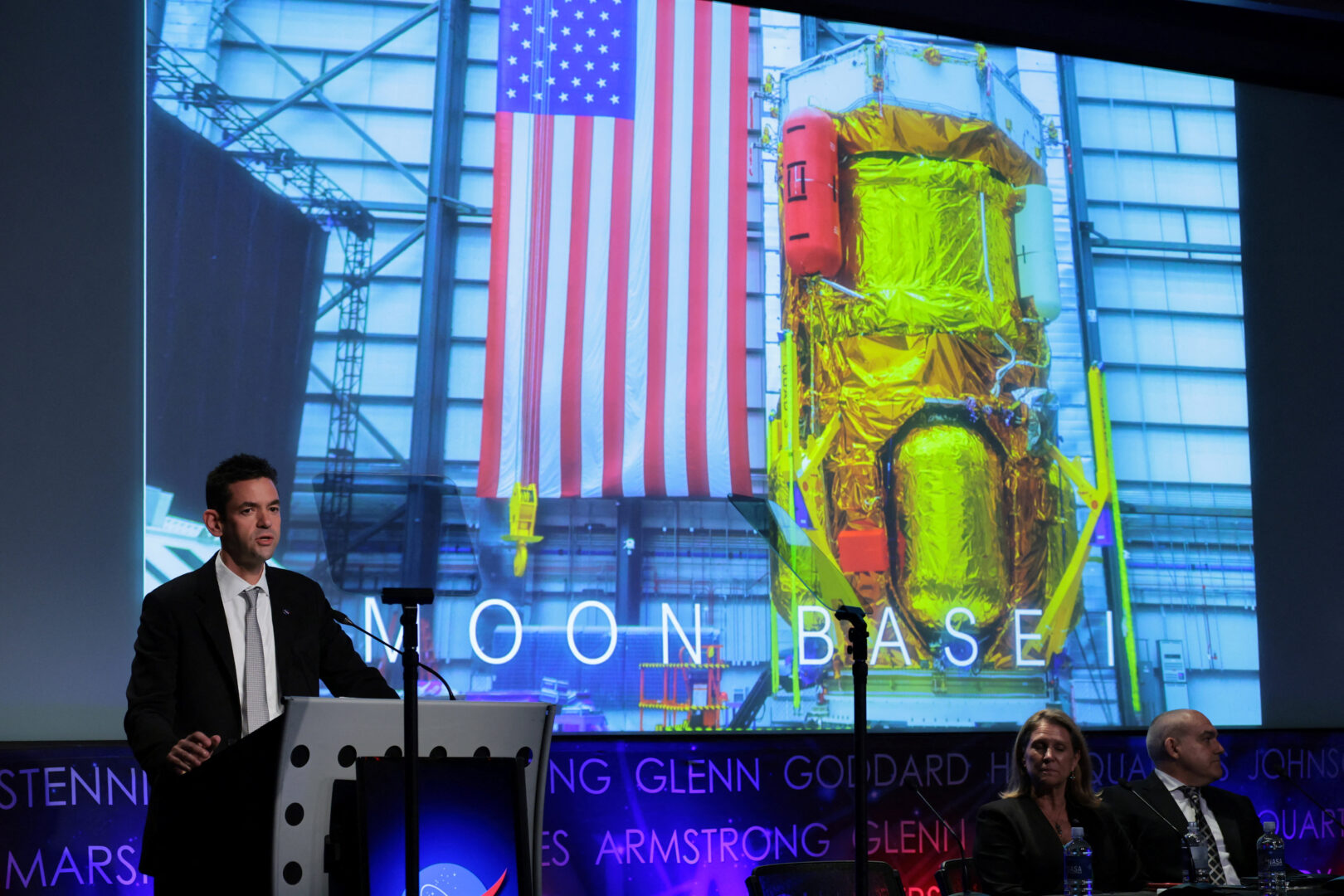
The plans were revealed on Tuesday by NASA Administrator Jared Isaacman, who outlined a phased strategy focused on exploration, technology testing and permanent infrastructure development at the lunar south pole.
Blue Origin Lander To Support Lunar Missions
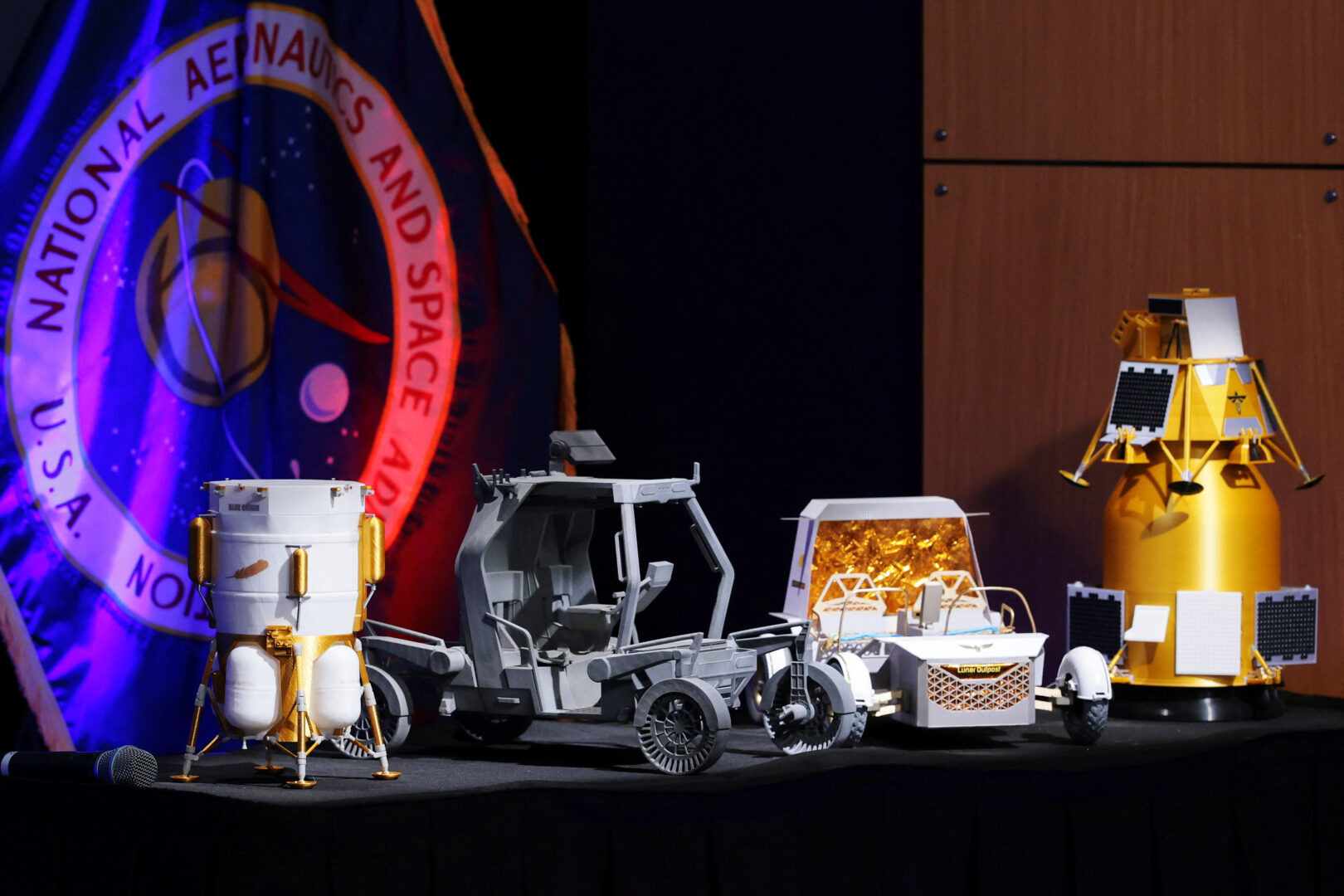
Isaacman said the Blue Origin Mark One Endurance lander will transport multiple payloads to the Shackleton Connecting Ridge near the moon’s south pole.
NASA stated that the first phase of the programme will involve a rapid sequence of robotic missions. These missions are intended to survey the region, test key technologies and prepare the surface for future operations.
The agency views the lunar south pole as a critical area for future exploration because of its potential resources and strategic importance for long-term missions.
NASA Awards Lunar Vehicle Contracts
Carlos Garcia-Galan, programme executive for the planned moon base initiative, announced that Astrolab and Lunar Outpost had received contracts for lunar terrain vehicles.

These vehicles, commonly referred to as LTVs, are expected to support transportation and operational activities on the moon’s surface during future missions.
NASA said the robotic exploration phase will help validate technologies required for sustained lunar operations before astronauts return for extended stays.
Long-Term Moon Presence Planned By 2029
The second phase of the programme is expected to begin by 2029. During this stage, NASA plans to construct semi-permanent infrastructure on the moon to support longer missions and scientific activity.
The agency said the final phase aims to establish a continuous human presence on the lunar surface. Moreover, the long-term plan includes routine crew rotations and ongoing surface operations designed to maintain sustained activity on the moon.
NASA’s latest strategy reflects a broader shift towards partnerships with private aerospace companies to support deep-space exploration and reduce mission costs.
With inputs from Reuters