


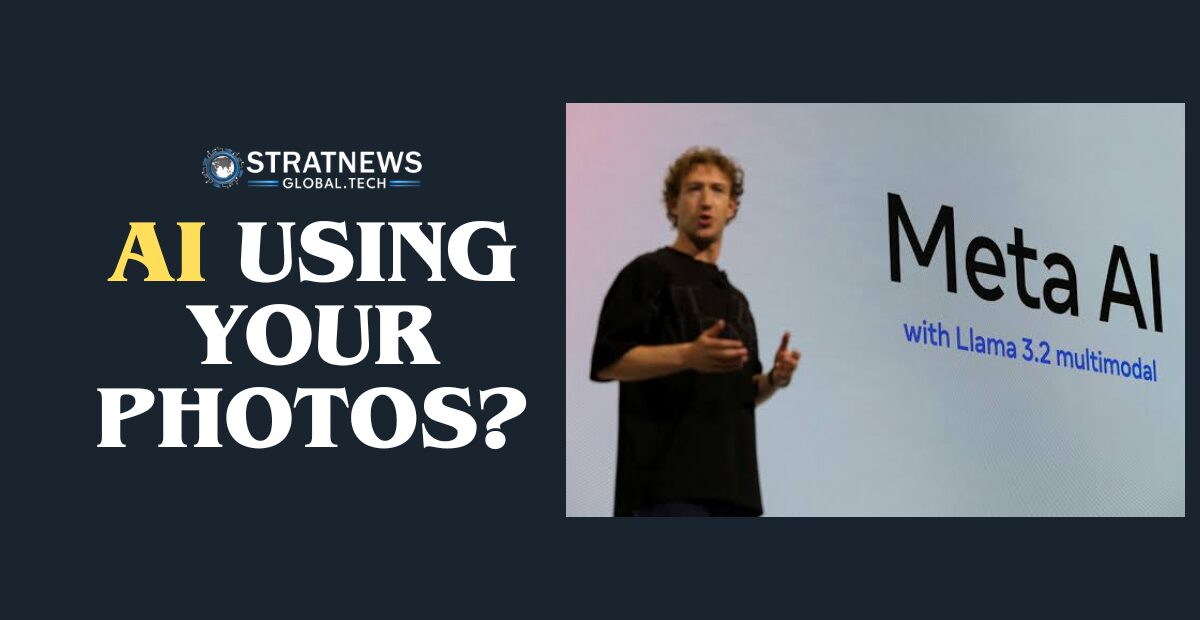
According to a BBC report, Meta is facing growing criticism over its new AI-powered image generation tool, Muse Image, amid concerns that it can create images using other people’s public profile pictures without first notifying them.
Muse Image is Meta’s latest text-to-image AI tool, allowing users to generate images from simple written prompts. The feature is currently available to users in the United States through the Meta AI app and website, WhatsApp, and Instagram Stories.
Although Meta says users with public accounts can opt out of having their images reused by the AI, privacy campaigners argue the default setup raises serious concerns about consent and misuse.
Donald Campbell, Advocacy Director at tech justice organisation Foxglove, described the feature as an “obvious recipe for disaster.”
“We’ve already seen a catalogue of harms from non-consensual AI-altered images on social platforms just in the past year,” Campbell told the BBC.
Privacy International also criticised the rollout, saying it reflects a growing trend of AI companies treating people’s images and personal data as resources to train and power new technologies.
The feature has also sparked criticism on social media, with one X user calling it “a privacy landmine waiting to detonate” because it allows real users to appear in AI-generated images without explicit consent.
Meta Says Users Can Opt Out
Meta says users can disable the feature through a dedicated setting separate from their general privacy controls.
Instagram users with public accounts can navigate to Settings → Sharing and Reuse and switch off the option allowing others to reuse their content “with AI features at Meta.” Users with private accounts are excluded from the feature by default.
A Crowded AI Market
Muse Image enters an increasingly competitive AI image-generation market dominated by tools capable of creating realistic images from text prompts.
Meta says the new system combines advanced reasoning with multiple photos to generate high-quality images that users can download and share. The company also plans to expand the feature to Facebook, Messenger and advertising tools, while a video-generation version is reportedly under development.
However, as AI-generated images become more sophisticated, regulators and privacy advocates are expected to closely scrutinise how such tools use personal data and whether existing safeguards are sufficient.