


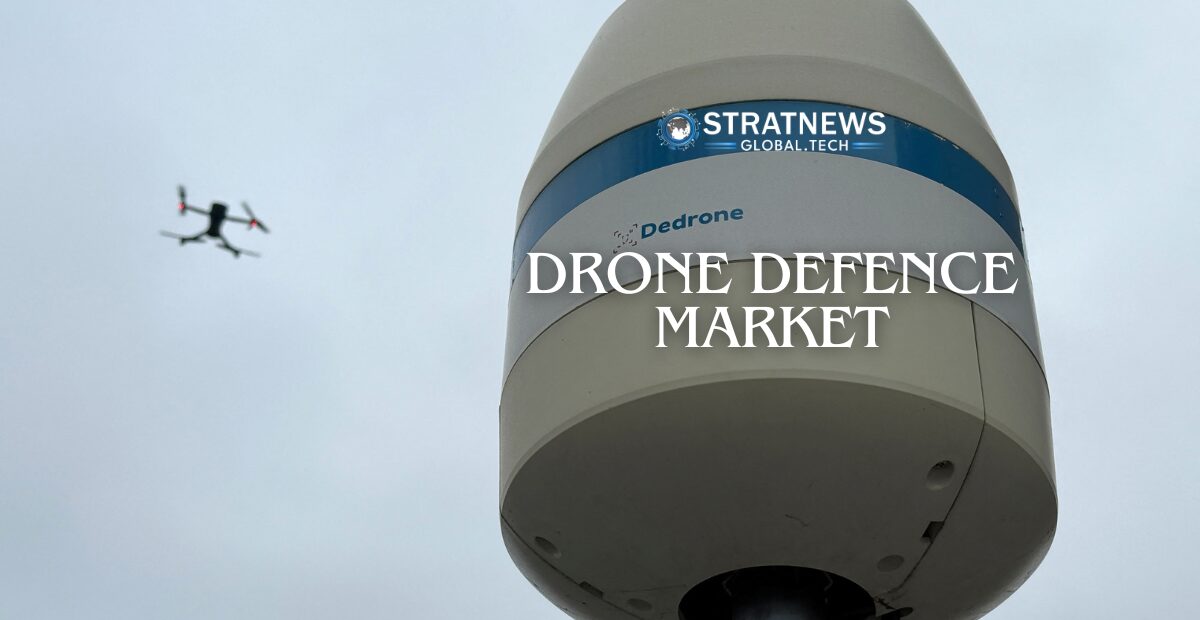
Counter-Drone Technology Demand Surges As Airports And Infrastructure Face Rising Threats
Growing drone incursions at airports and attacks on critical infrastructure are driving rapid demand for counter-drone technologies, creating a fast-expanding market for radar systems, jammers and defensive aircraft.
Airports across Europe and infrastructure operators in the Middle East are increasingly seeking protection against aerial threats as drones become more capable and widely available. The trend has accelerated amid conflicts in Ukraine and the Middle East, where drone warfare has highlighted vulnerabilities in civilian and economic assets.
Rising Drone Threats Fuel Industry Growth
Drone-related disruptions have affected airports for years. However, recent incidents linked to geopolitical conflicts have intensified concerns among governments and infrastructure operators.
Over the past year, drone strikes near Dubai airport, incursions in Baltic states, fires caused by intercepted drones at the Fujairah Oil Zone, and suspected drone sightings around airports in Munich and Copenhagen have underlined the growing challenge.
As a result, companies specialising in drone detection and defence report a sharp increase in enquiries from airports, governments and operators of critical infrastructure.
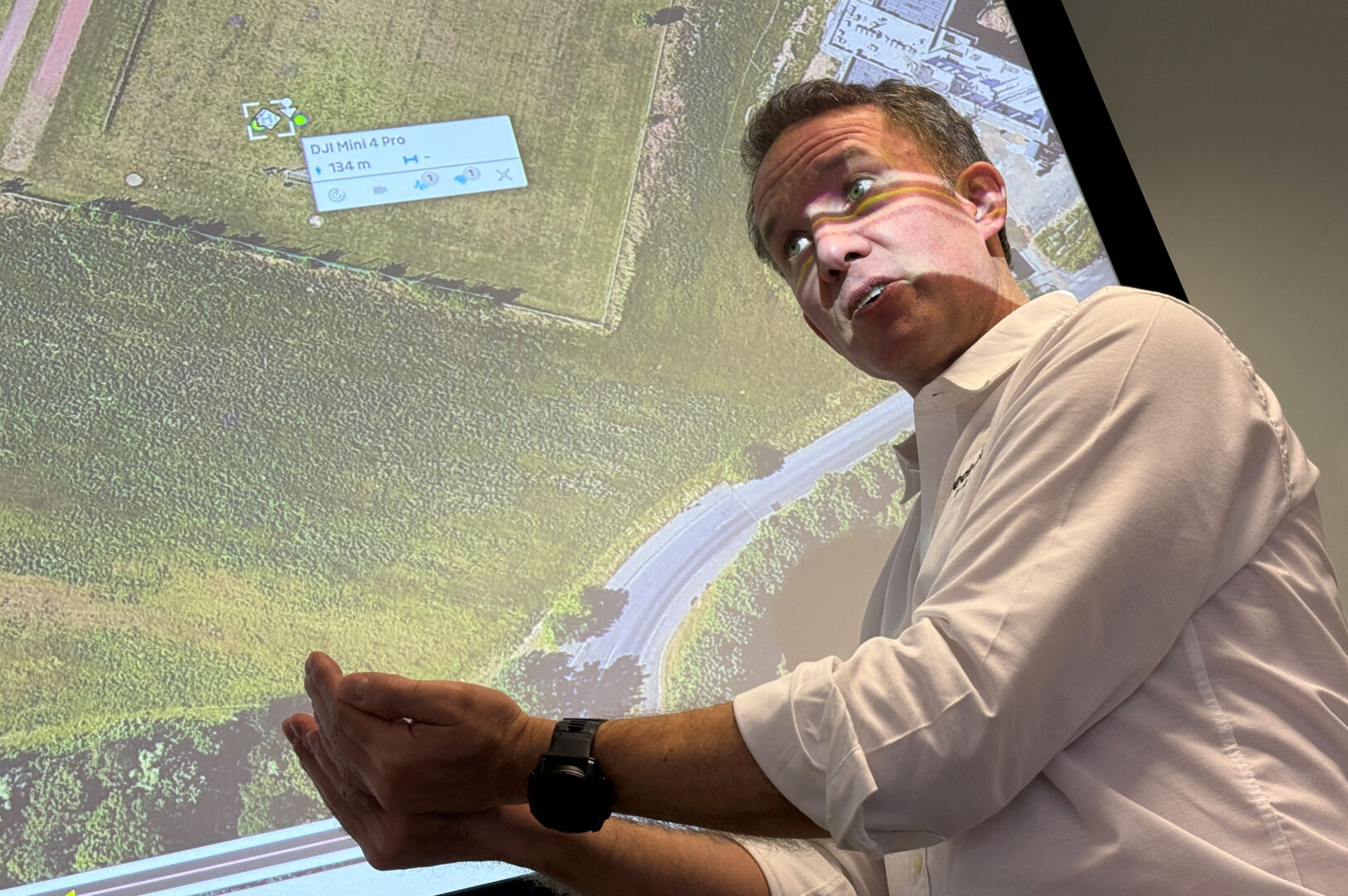
Siete Hamminga, chief executive of Netherlands-based RobinRadar, said interest in counter-drone systems has risen significantly. The company’s technology originally emerged from research aimed at reducing bird strikes involving aircraft.
Similarly, Dedrone reported growing demand for rapid deployment solutions as authorities seek ways to strengthen protection against evolving drone threats.
New Technologies Enter The Market
The industry has introduced a range of new technologies designed to detect, track and counter unauthorised drones.
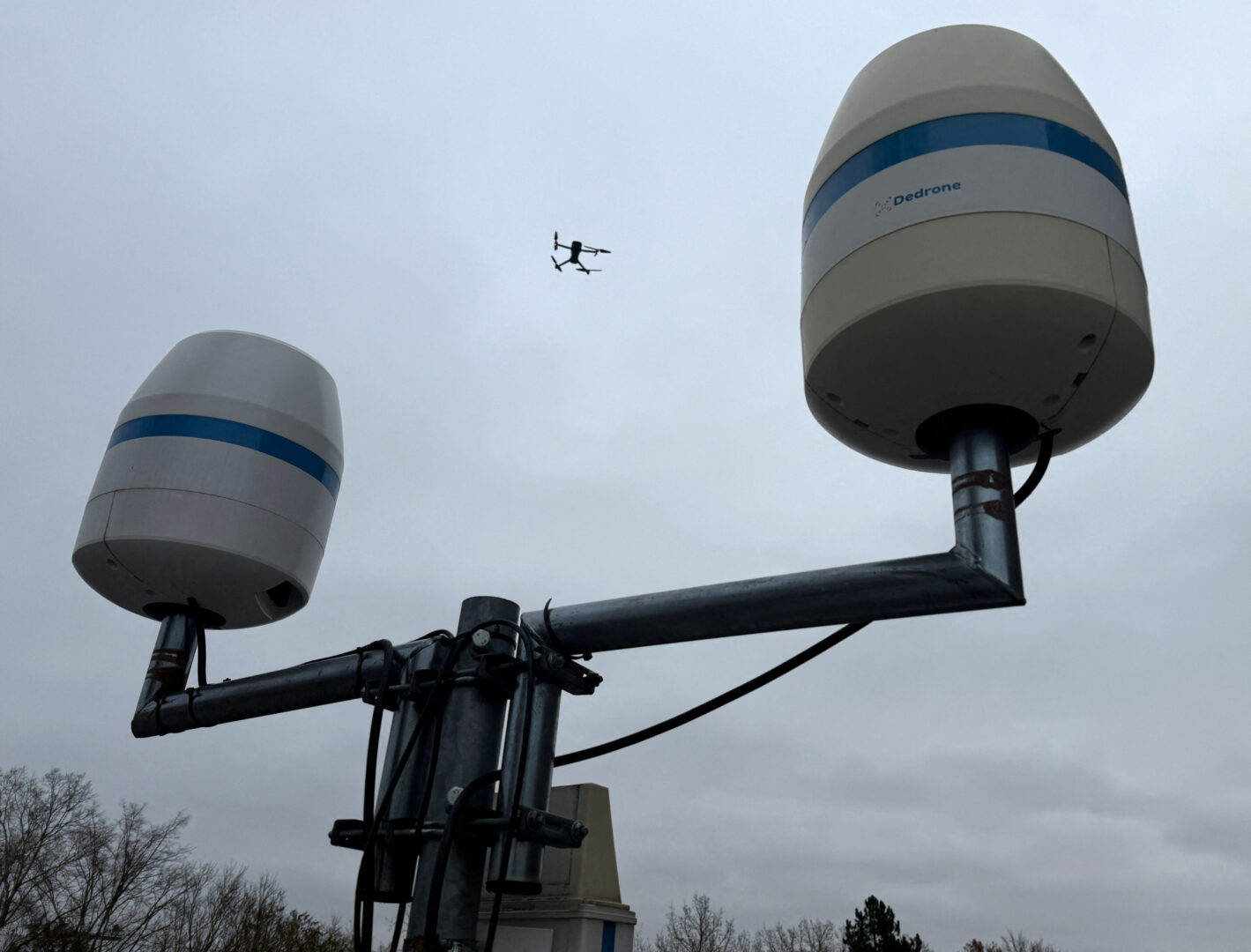
Among the latest innovations is a gun-shaped jammer developed by Dedrone that can disrupt drone communications. Meanwhile, Boeing has unveiled an autonomous “wingman” aircraft capable of accompanying fighter jets while carrying interchangeable counter-drone jammers and weapons.
The market’s expansion extends far beyond military applications. Energy facilities, ports, shipping operators, data centres, hotels and airports are increasingly investing in systems designed to detect and respond to drone activity.
Norway’s airport operator Avinor has already deployed drone detection systems across its network of 43 airports to reduce disruptions and delays caused by civilian drone incursions.
Counter-Drone Market Expected To Expand Rapidly
Industry analysts estimate the global counter-drone market is currently worth between $3 billion and $7 billion and is growing at roughly 20% annually.
According to MarketsandMarkets, the sector could expand from $4.5 billion today to $14.5 billion by 2030, reflecting strong demand across both defence and civilian sectors.
Manufacturers are responding by expanding production capacity. Echodyne, a company specialising in drone-detection radar technology, said a new factory scheduled to open this year will increase its annual production capability to more than 30,000 units.
Chief Executive Eben Frankenberg said demand for the company’s radar systems grew by more than 100% last year and continues to rise.
Regulatory Challenges Limit Civilian Deployment
Despite growing interest, regulatory restrictions continue to limit the widespread use of many counter-drone technologies in civilian settings.
Airports remain heavily focused on drone detection systems because more aggressive countermeasures can create additional risks. Technologies such as signal jamming and GPS interference may disrupt communications and navigation systems, making them unsuitable for many airport environments.
Furthermore, the use of weapons to bring down drones is generally prohibited around civilian infrastructure.
A spokesperson for German radar manufacturer Hensoldt noted that kinetic measures such as machine guns cannot be used near civilian facilities due to safety concerns.
Consequently, decisions regarding which technologies can be legally deployed often depend on national governments and regulatory authorities.
Industry Faces An Ongoing Technological Race
Counter-drone companies acknowledge that the sector is engaged in a continuous battle to keep pace with rapidly evolving drone technology.
Mike Schut, commercial director at DroneShield, described the situation as a constant “cat-and-mouse game” in which manufacturers must adapt to new drone capabilities as they emerge.
At the same time, experts caution that advanced counter-drone systems can be costly, with some solutions carrying price tags of hundreds of thousands of dollars.
Greg Falco, a professor at Cornell University, warned that the surge in demand has encouraged some organisations to acquire technologies without fully evaluating their effectiveness. He noted concerns that certain products may not deliver the capabilities being advertised.
Nevertheless, the growing frequency of drone-related incidents continues to drive investment as governments and infrastructure operators seek stronger protection against an increasingly complex aerial threat landscape.
With inputs from Reuters