

Close Menu
Stratnews GlobalStratnews Global
    Facebook X (Twitter) Instagram
    Trending
    • Atomic Clock Failure On IRNSS-1F Pushes India’s NavIC Navigation Constellation Below Operational Threshold
    • Ukraine Opens Battlefield Data For AI Drone Training
    • Data Centres Become Election Issue In France
    • Apple Slashes App Store Fees In China
    • Google Names London HQ ‘Platform 37’ After AlphaGo Move
    • Pentagon Allows Limited Use Of Anthropic AI
    • Why Venture Capital Is Suddenly Betting on Indian Deep Tech
    • UK Warns Social Media Firms Over Child Safety
    • Support Us
    Stratnews GlobalStratnews Global
    Write for Us
    Sunday, March 15
    • Space
    • Science
    • AI and Robotics
    • Industry News
    • Support Us
    Stratnews GlobalStratnews Global
    Home » Global Nuclear Power Growth Falters Despite Record Output in 2024

    Global Nuclear Power Growth Falters Despite Record Output in 2024

    StratNewsGlobal Tech TeamBy StratNewsGlobal Tech TeamSeptember 22, 2025 World No Comments3 Mins Read
    Global Nuclear Power

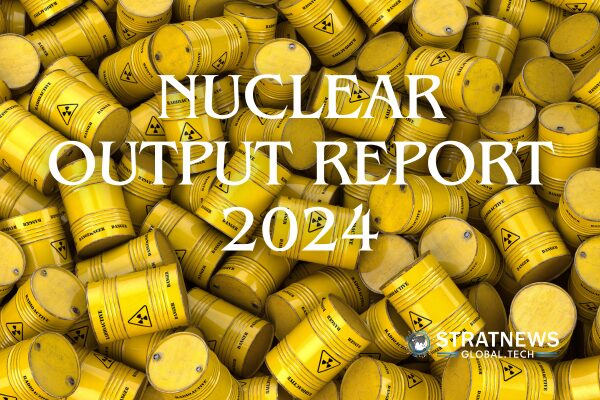
    Nuclear Power Growth Set to Slow Despite Record Output in 2024

    Global nuclear power production reached an all-time high in 2024, yet this momentum may not last. According to the latest World Nuclear Industry Status Report, the sector now faces major hurdles including ageing infrastructure, insufficient investment, and project delays. The annual report, compiled by international research groups, outlines a challenging path ahead for nuclear energy.

    Despite growing global interest, especially in countries looking to reduce fossil fuel use, the nuclear industry is struggling to keep pace. The US, in particular, has stepped up efforts to promote nuclear energy through new international partnerships and policy initiatives. However, long-term sustainability remains in question.

    Record Output Driven by China, But Future Growth Uncertain

    In 2024, nuclear power generation reached a record 2,677 terawatt-hours, reversing a two-year decline. Much of this growth was attributed to increased activity in China. But the report warns that to maintain current output levels through to 2030, at least 44 additional nuclear startups would be required—more than double the pace of the past decade.

    Aging reactors, slow construction progress, and the rapid rise of renewable alternatives are expected to challenge the sector. The report also highlights that nuclear development is becoming increasingly centred around China and Russia, with both countries leading nearly all recent global construction starts.

    Renewables Outpace Nuclear in Cost and Capacity

    Nuclear projects are being squeezed by the fast evolution of renewable energy technologies. In 2024, investment in renewables was 21 times higher than in nuclear, while added renewable capacity was more than 100 times greater than net nuclear additions.

    Falling battery prices—down by roughly 40% last year—are also accelerating the shift towards flexible, decentralised energy systems. Meanwhile, nuclear plant construction costs continue to rise. The report notes that new energy technologies are now more adaptable and cost-effective than traditional fossil or nuclear-based systems.

    Small Modular Reactors Still Largely Unproven

    Hopes for a surge in small modular reactor (SMR) deployment remain largely unfulfilled. Despite rising financial backing from both public and private sectors, no SMR construction has yet started in Western countries. Only China has moved forward, with two SMR projects either in operation or under construction. However, limited operational data means their effectiveness is still unclear.

    Without significant changes in project delivery and economic efficiency, the report predicts that nuclear’s share of global power generation—at 9% in 2024—will continue to decline.

    with inputs from Reuters

    Author

    • StratNewsGlobal Tech Team
      StratNewsGlobal Tech Team

      View all posts
    Featured
    Share. Facebook Twitter Pinterest LinkedIn Tumblr Email Reddit Telegram WhatsApp
    StratNewsGlobal Tech Team
    • Website

    Keep Reading

    Atomic Clock Failure On IRNSS-1F Pushes India’s NavIC Navigation Constellation Below Operational Threshold

    Ukraine Opens Battlefield Data For AI Drone Training

    Data Centres Become Election Issue In France

    Apple Slashes App Store Fees In China

    Google Names London HQ ‘Platform 37’ After AlphaGo Move

    Pentagon Allows Limited Use Of Anthropic AI

    Add A Comment
    Leave A Reply Cancel Reply

    Anti Drone System (CUAS)
    Latest Posts

    Atomic Clock Failure On IRNSS-1F Pushes India’s NavIC Navigation Constellation Below Operational Threshold

    March 14, 2026

    Ukraine Opens Battlefield Data For AI Drone Training

    March 13, 2026

    Data Centres Become Election Issue In France

    March 13, 2026

    Apple Slashes App Store Fees In China

    March 13, 2026

    Google Names London HQ ‘Platform 37’ After AlphaGo Move

    March 12, 2026

    Pentagon Allows Limited Use Of Anthropic AI

    March 12, 2026

    Why Venture Capital Is Suddenly Betting on Indian Deep Tech

    March 12, 2026

    UK Warns Social Media Firms Over Child Safety

    March 12, 2026

    Age Check laws gain momentum as nations target teen access

    March 10, 2026

    Space Exercise Device for Astronaut Microgravity Training

    March 10, 2026

    Subscribe to News

    Get the latest sports news from NewsSite about world, sports and politics.

    • Astronomical Events
    • Space Missions
    • Industry News
    • Science
    StratNewsGlobal Tech
    Facebook X (Twitter) Instagram LinkedIn YouTube
    © 2026 StratNews Global, A unit of BharatShakti Communications LLP
    • About Us
    • Contributors
    • Copyright
    • Contact
    • Write for Us

    Type above and press Enter to search. Press Esc to cancel.